
Knives Out: Sharpest Writing of 2019?
Knives Out doesn’t just defy the whodunit narrative, it uses the weaknesses to its advantage. It’s well aware of the genre’s faults and tropes
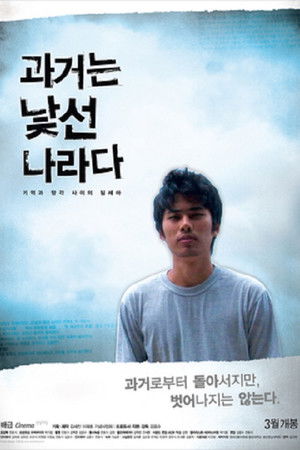


On April 28, 1986, two students, twenty-year-old Kim Se-jin and Lee Jae-ho, immolated themselves to death, shouting slogans, “No war, no nuclear weapons, Yankee go home,” “U.S. sign the peace treaty with North Korea,” and “Expel American imperialists.” This took place in the midst of a public demonstration against the forced conscription of students, joined by approximately four hundred students and held at the Sinrim crossroads facing the Seoul National University main gate. The manner of their deaths, the radicalness of their slogans (they were the first overtly anti-American statements to be heard in public since the conclusion of the Korean War) deeply shocked Korean society at the time. Twenty years have since passed. The world has changed.
Knives Out doesn’t just defy the whodunit narrative, it uses the weaknesses to its advantage. It’s well aware of the genre’s faults and tropes
Udo Kier takes center spotlight in 'Swan Song' as Pat Pitsenbarger, a gay beautician who comes out of retirement for one last job and rediscovers himself along the way.
'Unsolved Mysteries' is a reminder that not everyone has closure in their lives. Things will happen that have no known explanation, and seemingly come out of nowhere.
Complex relationships between mothers and daughters are far from a new concept, whether the strain comes from abandonment, beliefs, or trauma. In My Only Wish, an Incluvie Film Festival submission, Brenda Gutierrez’s take on her character’s maternal divide comes in the form of abandonment.
A lot of us are emotionally impacted by the current pandemic. So, while we’re all stuck here in our homes, it’s great to put on a movie to ease the stress. With that, I made up a small list of some of my favorite feel-good movies.