
“Selena: The Series,” a Small Disservice to Selena’s Legacy
'Selena: The Series' loses sight of the story's heart: Selena herself.
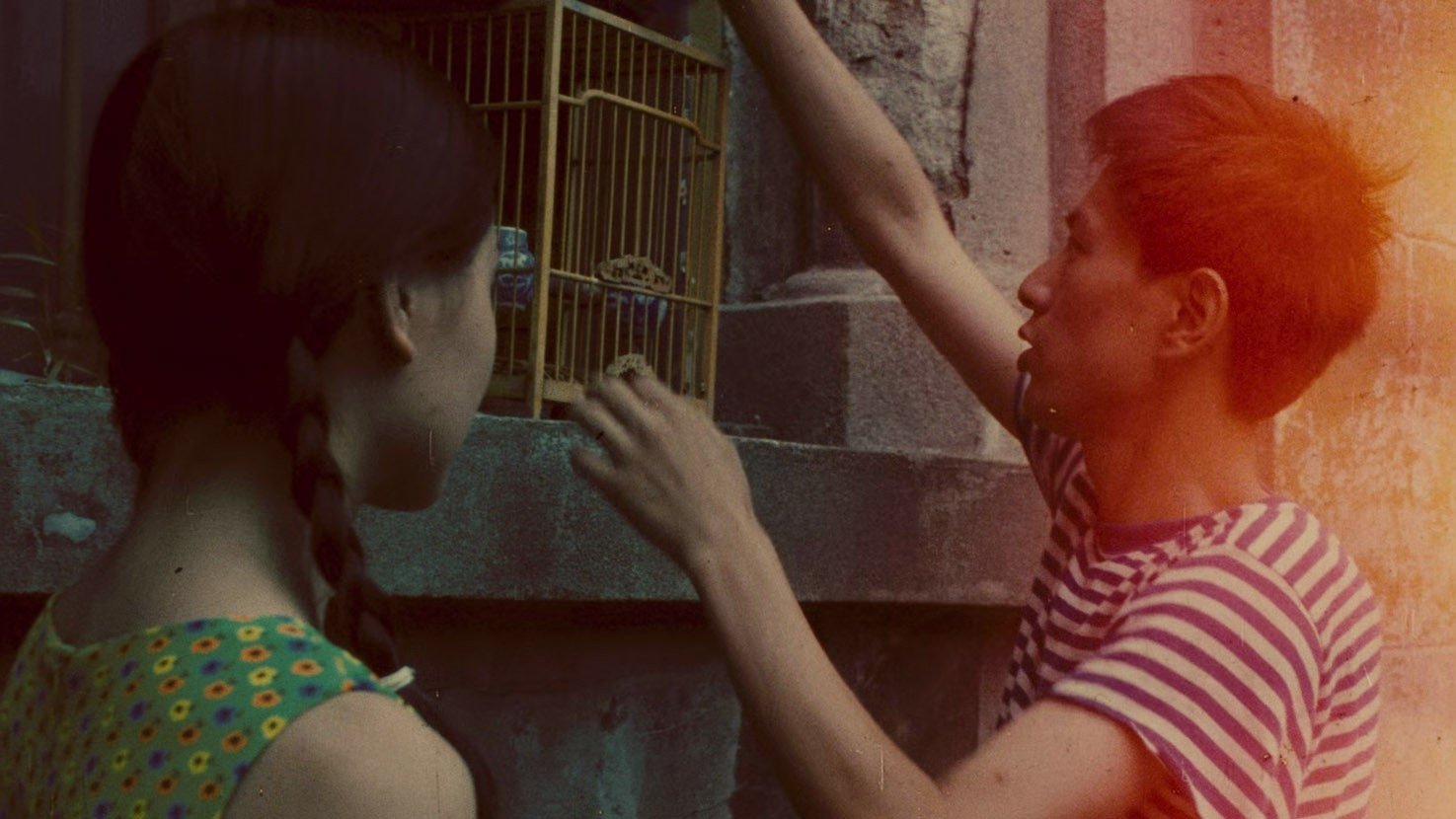



The story is set in a small village in South-Eastern China, during the Cultural Revolution. A teenager is bored and spends most of his time hanging around in the street. An old man, a widower, earns his money making artistic paper shapes of people, animals, vehicles, and other things. It is an old custom to burn these pieces of paper as a sacrifice to the dead — but in the years of the Cultural Revolution, this was regarded as superstition, and banned. The old man uses dazibao, propaganda posters, and secretly makes them into figures that should be burnt on his death. One day, the teenager accompanies the old man to his house and finds out the old man's secret. A bond ensues between the two. The boy finds out that the man once had a daughter, Qingqing, who was hit in the forties by a stray bullet. Since then, he has always dreamt about the beauty of Qingqing.
'Selena: The Series' loses sight of the story's heart: Selena herself.
'The Invisible Man' triumphs in tension even as it drops the ball on genuine surprise for the audience.
The film follows the biblical story of Moses, from his time as a prince of Egypt, to a leader for the people of Israel. It’s a film that works brilliantly in animation, and is one that both children and adults can; enjoy despite its religious contexts, it is friendly to general audiences.
A homeless girl faces depression and uncertainty during the holidays.
Though often underwhelming as a whole, Nevertheless is worth the watch because of the relationship between Sol and Jiwan. It is a stunning, refreshing take on the friends to lovers trope that LGBTQ media has been missing.
Intergenerational friendships and community can be so powerful, and this was a great example.