Spider-Man: Across the Closet with Miles Morales and Gwen Stacy
The film's storylines read as allegories for the queer experience and that's a source of solace for LGBTQIA+ fans!
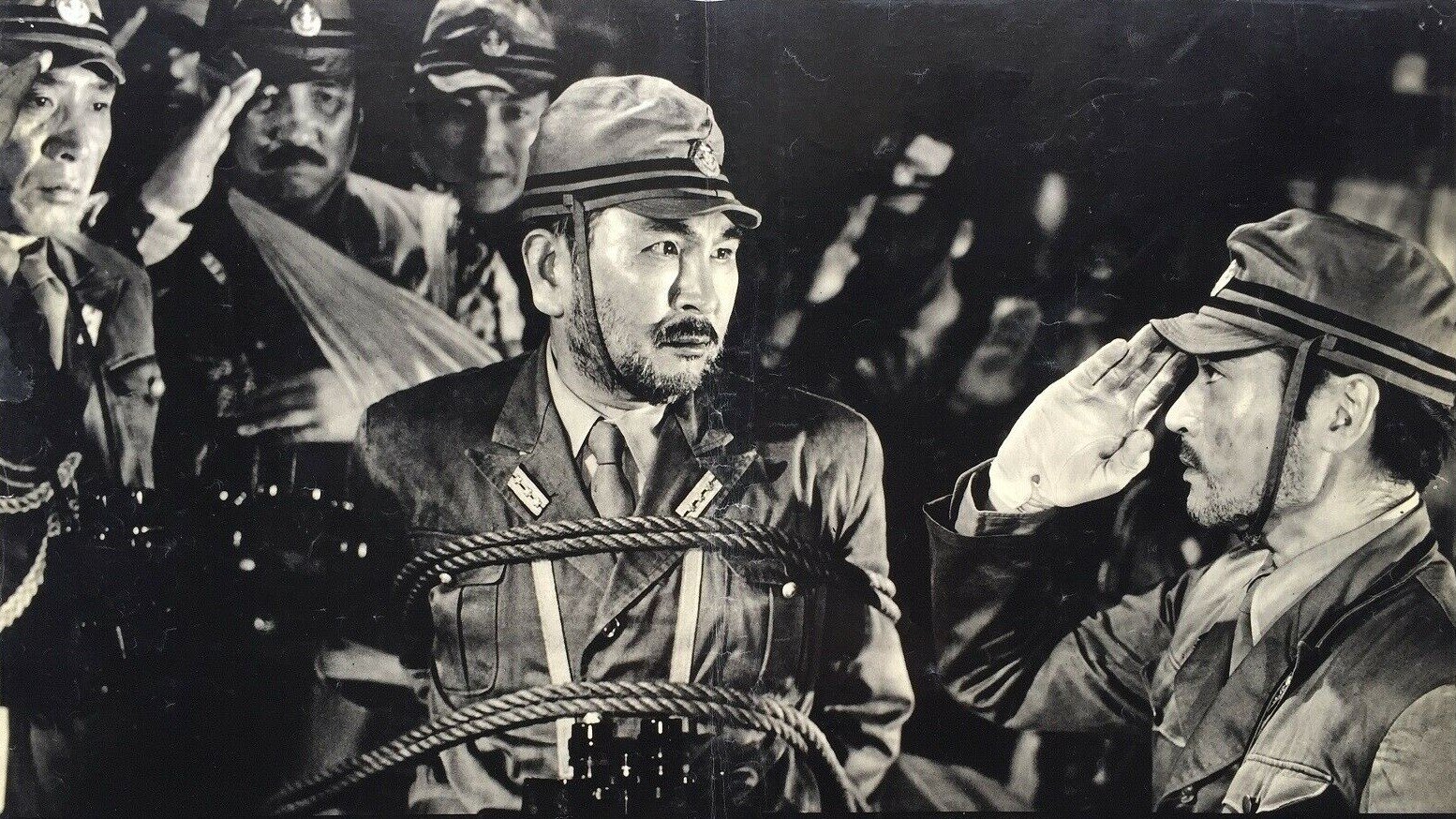
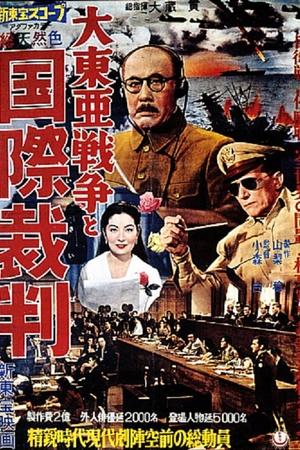


In 1941, overpopulated Japan faces an economic boycott and its armed forces push further to the south. And despite negotiations between Japan and the U. S. A. war is declared with the attack on Pearl Harbour. Victories follow for Japan on land and sea and her forces push forward to the borders of India. But gradually the tide turns in favour of the Allies and after the atom bombings of Hiroshima and Nagasaki, Japan is compelled to accept the Potsdam Declaration and by the order of the Emperor agrees to unconditional surrender. Under the supervision of the occupation forces the International Military Tribunal opens in Tokyo to try the Japanese war leaders. Established in the cause of justice, and to prevent future aggressive wars the trials drag on for two and a half years. And on December 23, 1948, General Tojo and six other war leaders mount the thirteen steps to the gallows at Tokyo's Sugamo prison.

Kiyoshi Komori
Director
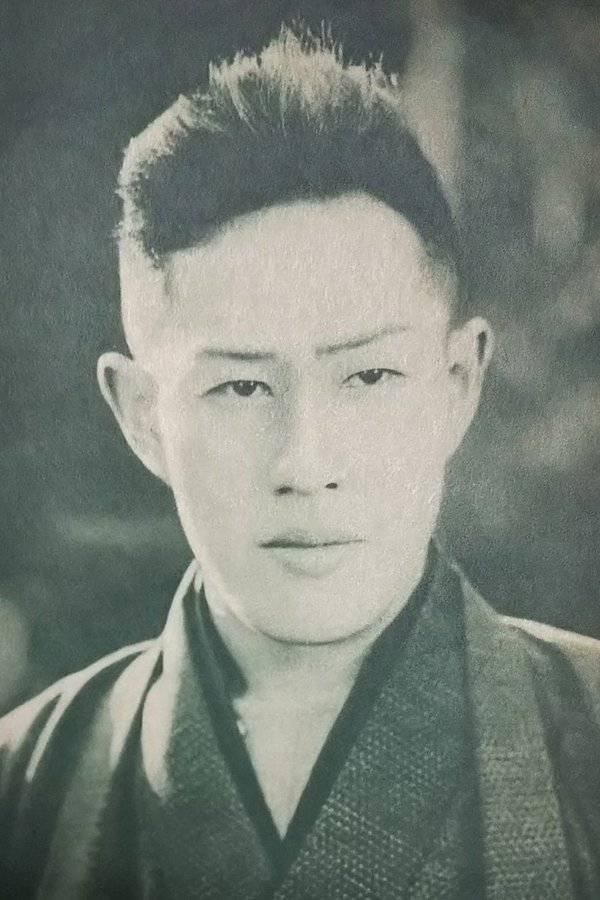
Kanjūrō Arashi
Hideki Tojo

Minoru Takada
Prime Minister Konoe

Masao Shimizu
Kōki Hirota

Hiroshi Hayashi
Foreign Affairs Minister Togo

Joji Oka
War Minister Anami
Jōji Ōhara
Lord Keeper of the Privy Seal of Japan Kido
Toshio Hosokawa
Ambassador Kurusu

Toshiaki Konoe
Ambassador Nomura

Ichirō Ryūzaki
Admiral Yamamoto

Kōtarō Bandō
Admiral Yonai

Takamaru Sasaki
Counsel Kiyose
The film's storylines read as allegories for the queer experience and that's a source of solace for LGBTQIA+ fans!
We have a long way to go with LGBT representation in film, especially when it comes to LGBT characters of color and trans characters.
I understood post-memory as passing down stories and images of one’s experiences that are not your own. For decades, rape has been depicted in cinema through a third-person perspective, leaving the viewer to observe rape; not to experience it.
This emotional, frightening, and dreamlike story examines the ways actresses are exploited in the name of art.
Emily and Stephanie are back... just add gin and drama.
A dog who needs to learn new tricks in this family comedy.