


"Nightborn" and Why We Need More Feminist Horror
Coralie Fargeat once said that “Being a woman is body horror,” and when you think about the ways we are taught to experience our own bodies, it becomes almost impossible to argue with her.

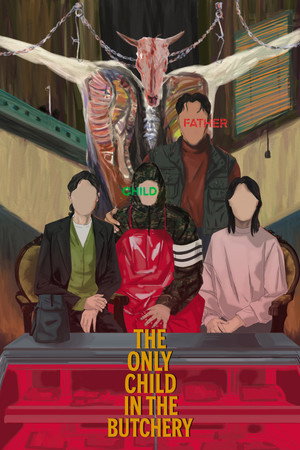


Orphaned as a child, Tae-seob was raised by his uncle who runs a butcher shop, working without pay and calling the man “father” in return. Now grown, Tae-seob asks for wages to start a new life with the woman he loves but is met with cold dismissal. Yet when he discovers his uncle freely spending money to hide an affair, Tae-seob sees an opportunity. But as he pulls one thread after another, Tae-seob finds himself trapped in a web of deceit far more dangerous than he imagined.
Coralie Fargeat once said that “Being a woman is body horror,” and when you think about the ways we are taught to experience our own bodies, it becomes almost impossible to argue with her.
It’s passionately protective of the women mentioned in the story or appearing on screen. Just like the article and the #MeToo movement, the film could help a trapped person find the courage to fight back.
Yes, "Nope" is definitely about the modern obsession with turning tragedy and horror into a spectacle for people’s enjoyment. But it's also about the power of looking, who has the right to look, and what happens to those who are looked upon.
Dune has stunning visuals, a striking soundtrack, and great performances. But it has issues everywhere from its pacing, to its story, to its diverse representation.
James Cameron’s “Aliens” (1986) is a pinnacle of science fiction storytelling. Within this classic monster movie lies a powerful female character, Ellen Ripley (brilliantly portrayed by Sigourney Weaver).