
A Conversation With the Filmmakers of 'When Men Were Men'
Hours before their line-up of screenings for Trans Awareness Week began, the filmmakers of 'When Men Were Men' chatted with me about the film's personal exploration of masculinity.

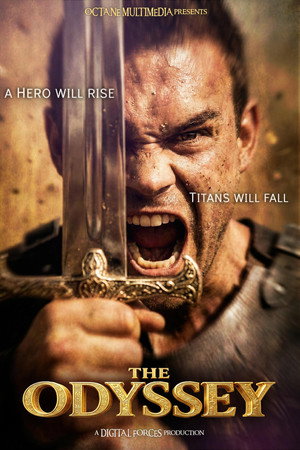


After being falsely accused of treason by a jealous king, the legendary warrior Alexander is exiled to a forbidden monster filled realm and tasked with an impossible challenge: slay three ancient Titans or die trying. Armed with a mystical medallion, a legendary sword, and the help of unlikely allies, Alexander embarks on an epic quest to save the woman he loves, reclaim his honor, and prevent a tyrant from seizing his kingdom.
Hours before their line-up of screenings for Trans Awareness Week began, the filmmakers of 'When Men Were Men' chatted with me about the film's personal exploration of masculinity.
The movie opens with an empty house, cameras pan around from the perspective of what viewers are confused about at first, but turns out to be a spirit living in the home.
It took writers D.B Weiss and David Benioff two years to give us a promising final season. Two. Years. It was just going to be six episodes, which was short considering that all the other seasons — except season 7 — were 10 episodes. 10. 6 wasn’t enough, and even HBO wanted to give the writers more episodes. More seasons, even. However, the writers wanted to get out of the show as quickly as possible to work on other projects. This abruptness is clearly shown in this season.
Written and directed by Eva Victor, who also plays Agnes, the main character, Sorry, Baby is slow and artsy, but extremely effective. It shows how the trauma developed after a sexual assault has a ripple effect and loudly echoes in the victim and her life for years after.
Spotlighting the legacy of the legendary Raymond Lewis through the love of a devoted daughter.
"WHAT ARE YOU WILLING TO SACRIFICE?!!!!" "EVERYTHING!!!!!" This is but one of a multitude of highly emphatic questions, and subsequent answers, being asked in the newest feature film from one of the current masters of horror, Jordan Peele ("Get Out", "Us" and "Nope"). I must give Peele credit in that he continues to push the boundaries of specific genres and their associated tropes in order to provide what ends up amounting to subtly then jarringly intense, yet still character and story-driven, cinema that speaks more to indie stylings than mainstream.