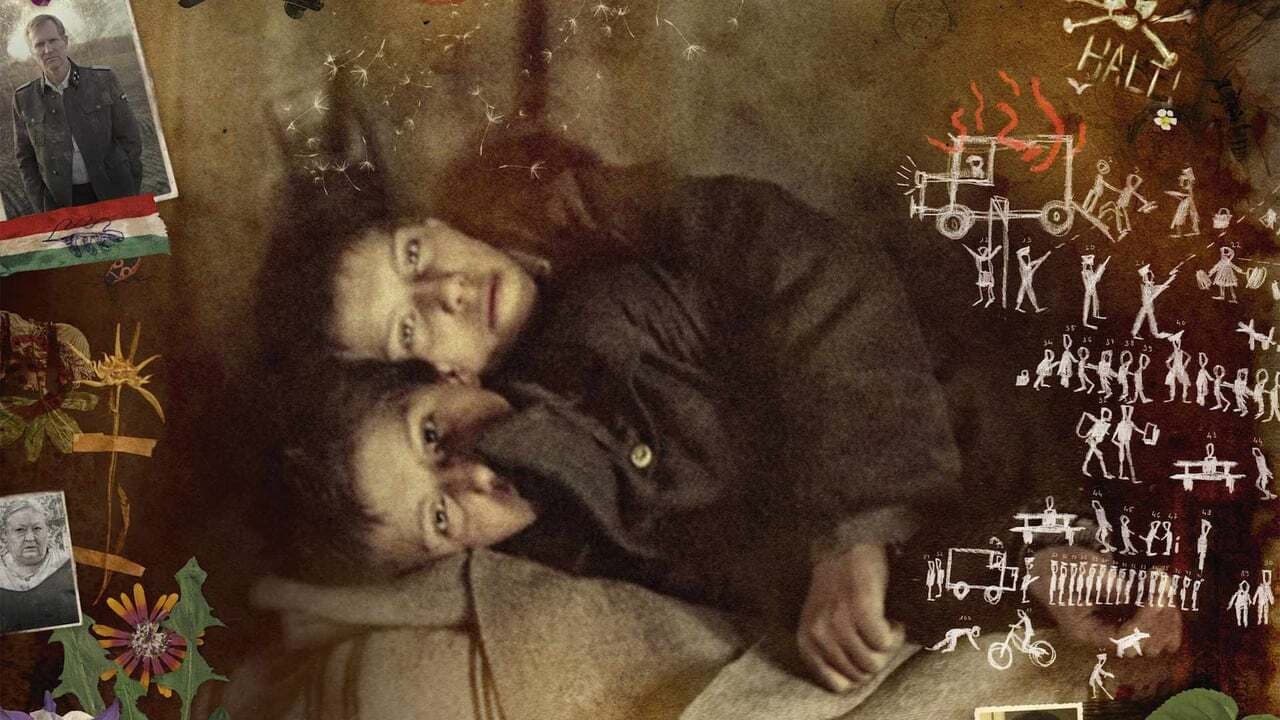
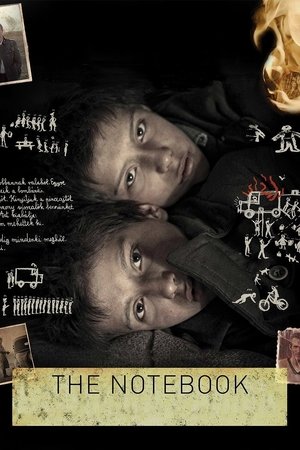










In a village on the Hungarian border, two young brothers grow up during war time with their cruel grandmother and must learn every trick of evil to survive in the absurd world of adults.
I understood post-memory as passing down stories and images of one’s experiences that are not your own. For decades, rape has been depicted in cinema through a third-person perspective, leaving the viewer to observe rape; not to experience it.
“Trust your gut" is one of the most common pieces of advice you’ll receive during your lifetime. And as a person inclined to trust my intuition above all else, it’s the most common advice I find myself giving in real life and in my online socialising. But what happens when your gut is trying to warn you that something is seriously wrong without you being able to identify what triggered it in the first place? How can you act on a feeling or make it go away when you don’t have a clue about what could be wrong? How can you trust your intuition when you don’t know what makes it act out in the first place?
I can say without question, that this is the first movie I’ve ever seen where art imitates life so much that I could 100% identify with it on a personal level. The predominately Black cast of characters are people with hopes, dreams, fears, and ambitions.
Mala tripped over in a company Diwali party, which led to unexpected visits and realizations.
Typically in film, characters suffering from mental illness are used as plot devices or exaggerated for comedy. 'The House that Jack Built's representation exceeds in accuracy and realism of OCD.