

Star Wars Episode VIII: The Last Jedi. The Best Post-Disney Star Wars Film
I love The Last Jedi. I don’t think there has been a Star Wars movie in quite some time that brought something new, something fresh to the table.
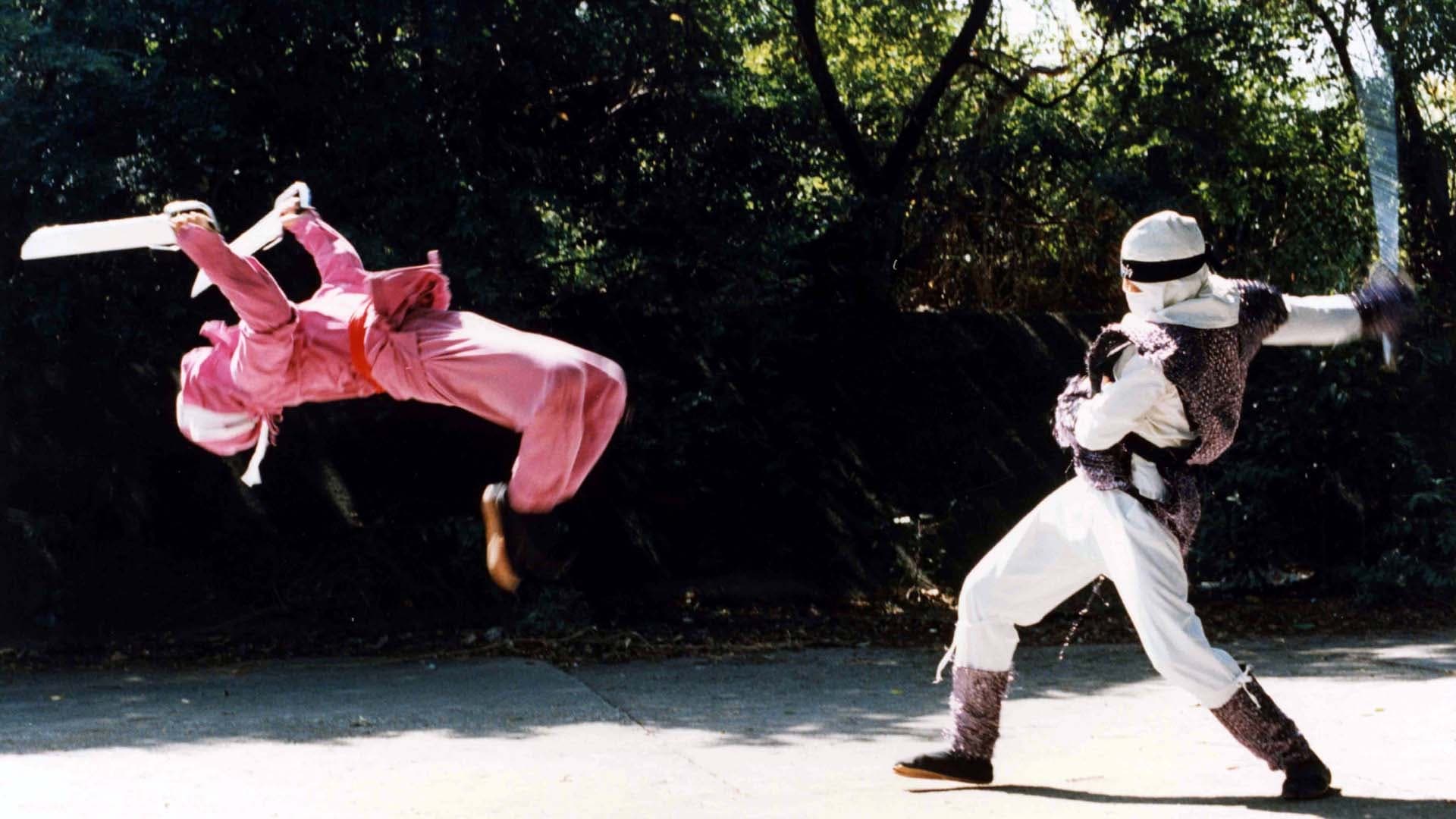
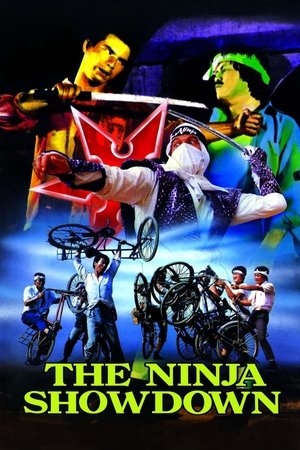


"Cut-and-paste" transformation of Taiwanese movie "Tian Zhuang A Ge" (1983; directed by Chu Yen-Ping and Chao Chen-kuo\) with new Hong Kong footage. A ruthless gang of Ninja marauders, a kidnapped maiden and a young man seeking vengeance set the stage for "The Ninja Showdown." Warlord boss Jing and his evil band of Purple Ninjas are unstoppable highly trained assassins who ravage a peaceful town. But when the outlaw Ninjas abduct his girl, a wrathful Tony unleashes a furious assault with the help of Ninja Master Gordon. Together, these two men lay waste to Jing's army in a shattering battle to secure their honor and rescue the town from the clutches of a greedy and oppressive tyrant.
I love The Last Jedi. I don’t think there has been a Star Wars movie in quite some time that brought something new, something fresh to the table.
Street Fighter cannot be genuinely recommended, even if it is abundantly clear that much effort was expended.
This fantasy movie released on Disney+ has strong topics and themes related to magic.
In Spike Lee’s She’s Gotta Have It (1986), we follow the love life of powerful female protagonist Nola Darling (Tracy Camilla Johns) and explore the relationship dynamics she has with her partners. She sees three men simultaneously: Greer Childs, (John Canada Terrell) Mars Blackmon (Spike Lee), and Jamie Overstreet (Tommy Redmond Hicks). Though an 80’s film, She’s Gotta Have It is surprisingly progressive with its themes of female sexuality, although at some points in the film it is handled clumsily. Overall Nola is an incredibly compelling character especially for modern women, as we as a society acknowledge female sensuality more and more without the negative stigma.
The cancelling of these series is being blamed on the writers' strike and low viewership, but it's just the latest example of the industry's lack of appreciation for stories about queer women.
The French-born director Laure de Clermont-Tonnerre’s strategic choice to entrust the interpretation of a conventional, feminine character to a non-binary actor pays off: Corrin’s Lady Chatterley is awkward, edgy, and uninhibited at the same time.