Halloween Flicks Pt. 2
Four more classic horror films that are entertaining even if occasionally absurd.
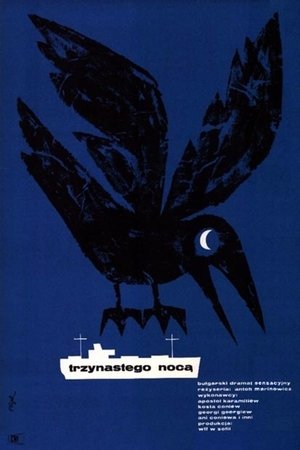


Todor Primov is an officer of the royal army who changes sides and goes over to the partisans. After the war, he graduates in engineering and is appointed manager of several construction projects. His car crashes on the eve of March 13. After his recovery, Primov resumes his work. Yet, secret information starts leaking from the projects and some serious accidents occur. Andrey, who befriended Todor Primov back in the partisan unit, goes to investigate the causes. He knows that Todor was colored-blind while this engineer distinguished colors. Andrey manages to get at the truth: Parvan Primov, Todor's twin brother, has made the car crash. On that night he killed his brother and took his place...
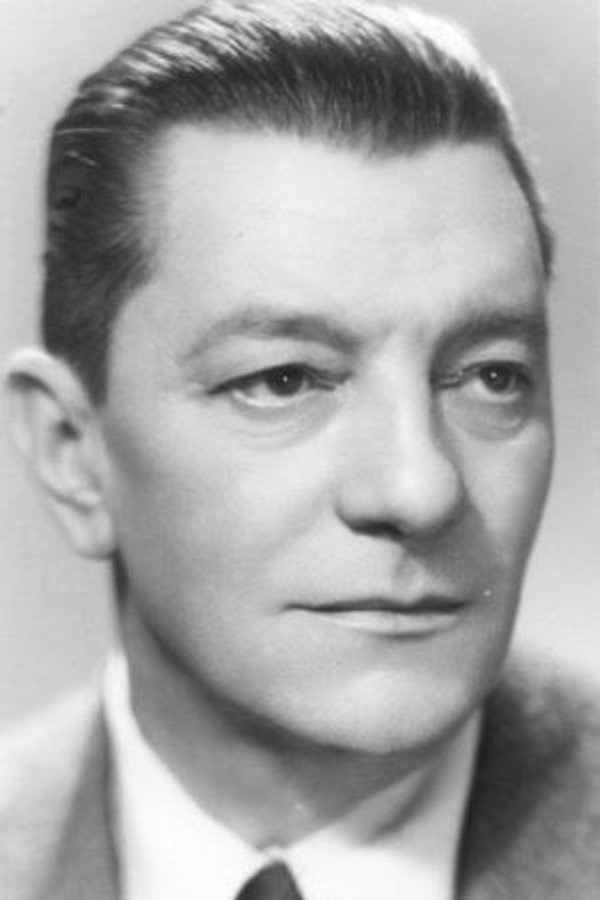
Anton Marinovich
Director

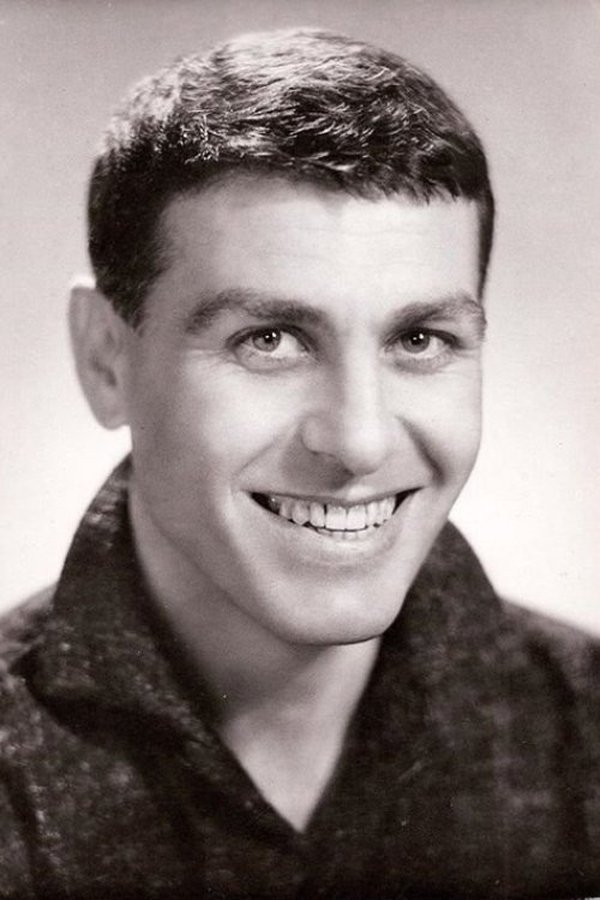
Apostol Karamitev
Todor Primov / Petar Primov
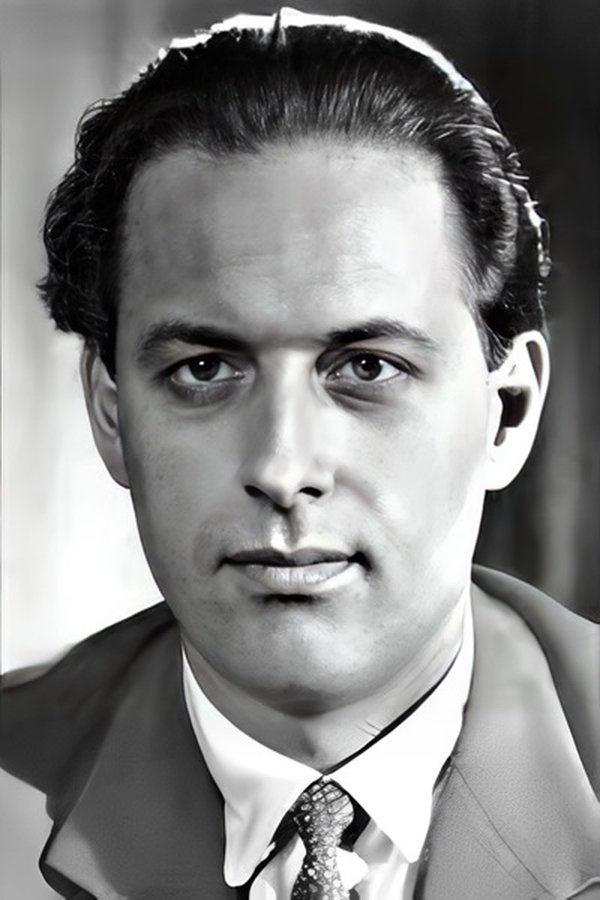
Kosta Tsonev
Maj. Andrey Panov
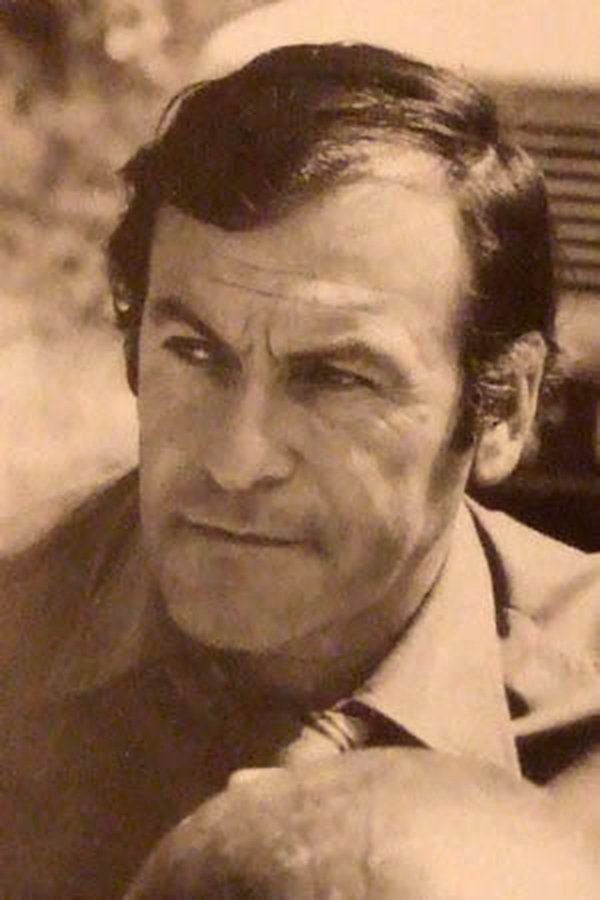
Georgi Georgiev-Getz
General

Ani Tsoneva
Savina
Stefan Sarbov
Doctor

Ivan Andonov
Engineer Rachev
Penka Vasileva
granny Stoyna
Yordan Spasov
Pepo
Stoil Popov
driver Penev
Valentina Vasileva
Racheto
Anani Anev
Engineer Nikolov
Four more classic horror films that are entertaining even if occasionally absurd.
Steven Spielberg's West Side Story (2021) improves on the original's terrible representation, poorly written romance, and more. --> check out reviews & film summary
'The Wiz' has the propensity for paying homage to black culture with R&B music, graffiti and jazzy elements that make it incredibly entertaining.
Explore the tension between director intention and viewer interpretation in this review of the excellent sci-fi horror of 'No One Will Save You.'
Sorry to Bother You ultimately speaks to the unfair advantages that the country’s power structures award to those with the resources to control others, as Lift’s easy access to the media allows his opinion to be the only one that matters in the eyes of the unsuspecting and easily impressed public. Moreover, it reveals the extent to which the American Dream has any true validity. It postulates how the promise of success and fulfillment as promoted by the American Dream more often than not leads to the undoing of the individual. Interestingly, in its revealing of the American Dream as merely a facade, Sorry to Bother You wisely questions whether or not anything can really be done to undo a system that has been accepted and in action for centuries.