


Incluvie – Better diversity in movies.
Identity in film with Incluvie stamps, scores, reviews.

Incluvie – Better diversity in movies.
Explore identity in film with Incluvie stamps, scores, reviews, and insights.

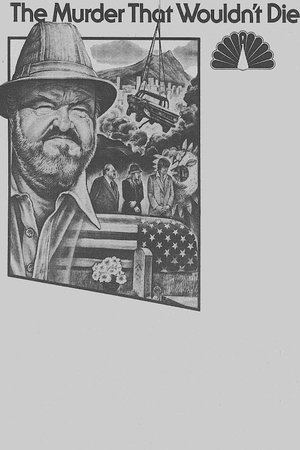
The Murder That Wouldn't Die poster

The Murder That Wouldn't Die (1980)

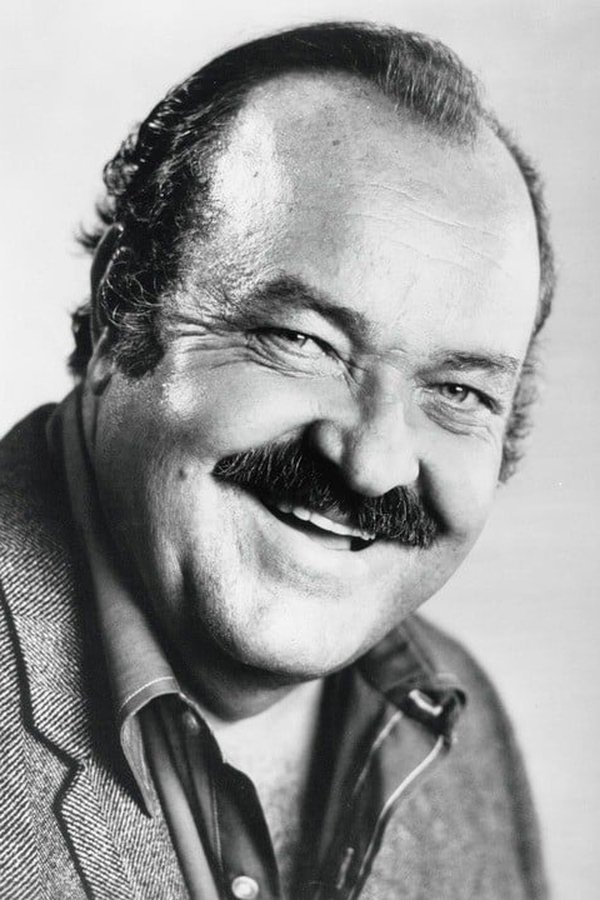
William Conrad stars as a retired L.A.P.D. detective who has moved to Hawaii and taken a job as a college security chief and assistant football coach in this pilot to a post-"Cannon" series to have been called "Battles." With the aid of his niece, the school's star football player, a local tough-turned-college student, and the college dean, he investigates two related murders that occurred nearly 40 years apart.
- / 5
PopScore
Representation

Pictures and Videos


Incluvie Gala

Movie Information


William Conrad stars as a retired L.A.P.D. detective who has moved to Hawaii and taken a job as a college security chief and assistant football coach in this pilot to a post-"Cannon" series to have been called "Battles." With the aid of his niece, the school's star football player, a local tough-turned-college student, and the college dean, he investigates two related murders that occurred nearly 40 years apart.

Rating:NR
Genre:Crime, Drama, Mystery, TV Movie
Directed By:Ron Satlof
Written By:Michael Sloan, Glen A. Larson
In Theaters:3/9/1980
Box Office:

Runtime:97 minutes
Studio:Glen A. Larson Productions, Universal Television

Articles You May Like


"Nobody 2 is Ridiculous in All the Right Ways"

“Nobody 2” is the kind of sequel you expect to roll your eyes at—and then end up grinning through the whole thing. Bob Odenkirk proves once again that an ordinary-looking guy can be the most entertaining action hero alive, battling cartels with harpoons, deep fryers, and pure chaos. Toss in Sharon Stone as a delightfully over-the-top villain, and you’ve got 89 minutes of wild, joyful mayhem that reminds you why going to the movies is just plain fun.

Nilufer Ozmekik

Elvis Owes Much to the Black Community

The new biopic 'Elvis' highlights the beginning and end of the career of this rock and roll legend. The audience is taken on this journey knowing the tragic ending but not so much about what led him there. A large topic of discussion is the influences on Elvis that made him who he was as a singer, musician, and performer, which were blues, gospel, and country. Many of the songs that rose him to fame were songs by Black artists he heard growing up in primarily Black settings.

Lynn Asare