




The Blues, and Two Contradictory Films That Claim It
Crossroads follows a young guitarist on a journey through the American South in search of blues history and his own voice.
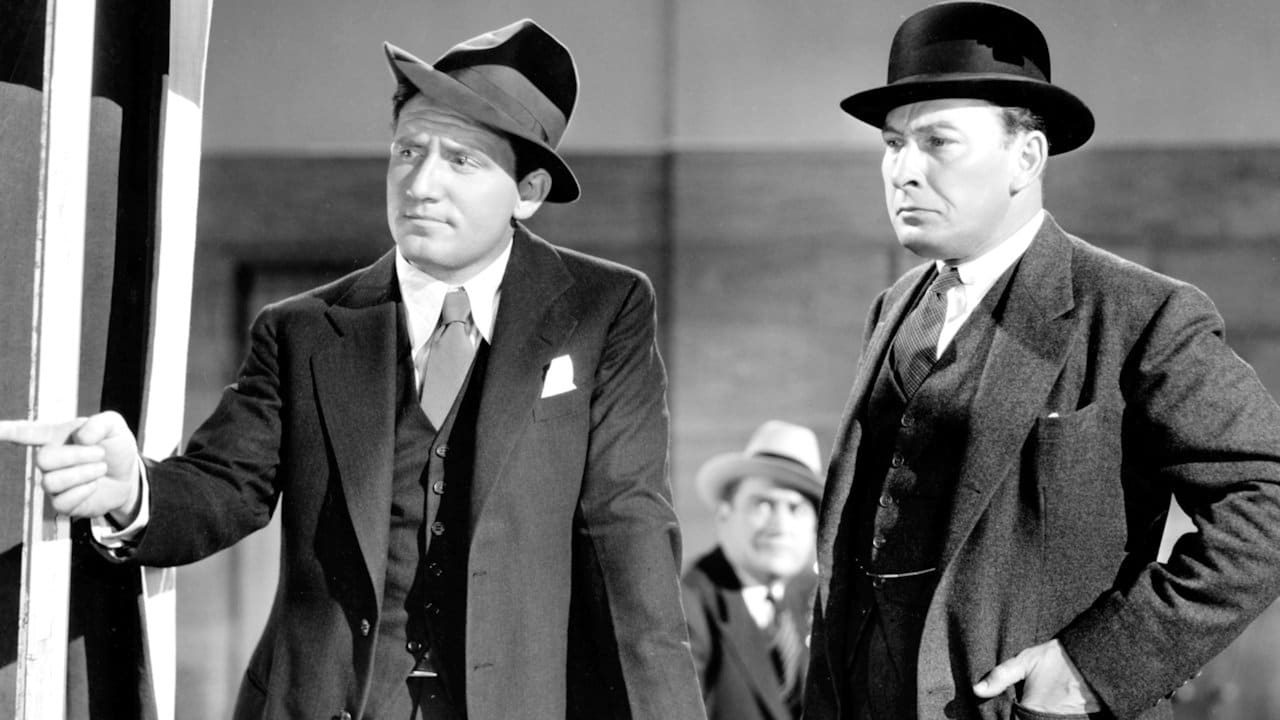
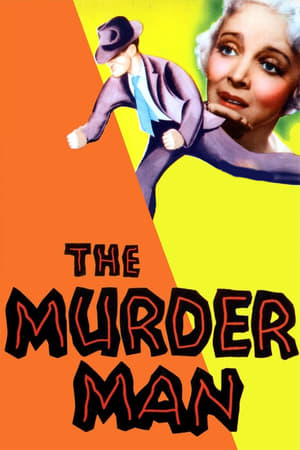


Steve Grey, reporter for the Daily Star, has a habit of scooping all the other papers in town. When Henry Mander is investigated for the murder of his shady business partner, Grey is one step ahead of the police to the extent that he often dictates his story in advance of its actual occurrence. He leads the police through an 'open and shut' case resulting in Mander being tried, convicted and sentenced to death. Columnist Mary Shannon is in love with Steve but she sees him struggle greatly with his last story before Mander's execution. When she starts typing out the story from his recorded dictation, she realizes why.
Crossroads follows a young guitarist on a journey through the American South in search of blues history and his own voice.
This film manages to be simultaneously topical and timeless. Without being preachy, it highlights society’s flawed relationship with tech; insights into the complex ideas of family struggle are expertly dispersed among a perfectly paced and balanced story.
Seriously, and this is coming from someone who was extremely skeptical before giving it a watch. I assumed the show would be painfully boring, but one of the show's strongest qualities is you needn't know anything about the lore to get invested in it.
Why did Māhū, a term once respected in Hawaiian culture, become so controversial?
Despite the film’s efforts to reframe its heroine with modern complexity, a certain emotional distance lingers.
With the start of the new season we're excited for all of the April new movie releases, some of which our writers here will cover in individual reviews throughout the month.