











Twin Peaks: Why LGBTQ Ally Depiction is Crucial
Portraying how easy it is to be an ally heavily benefits the majority audience. The more we encourage it, normalize it, and give people the tools to become one, the sooner we can co-exist peacefully.
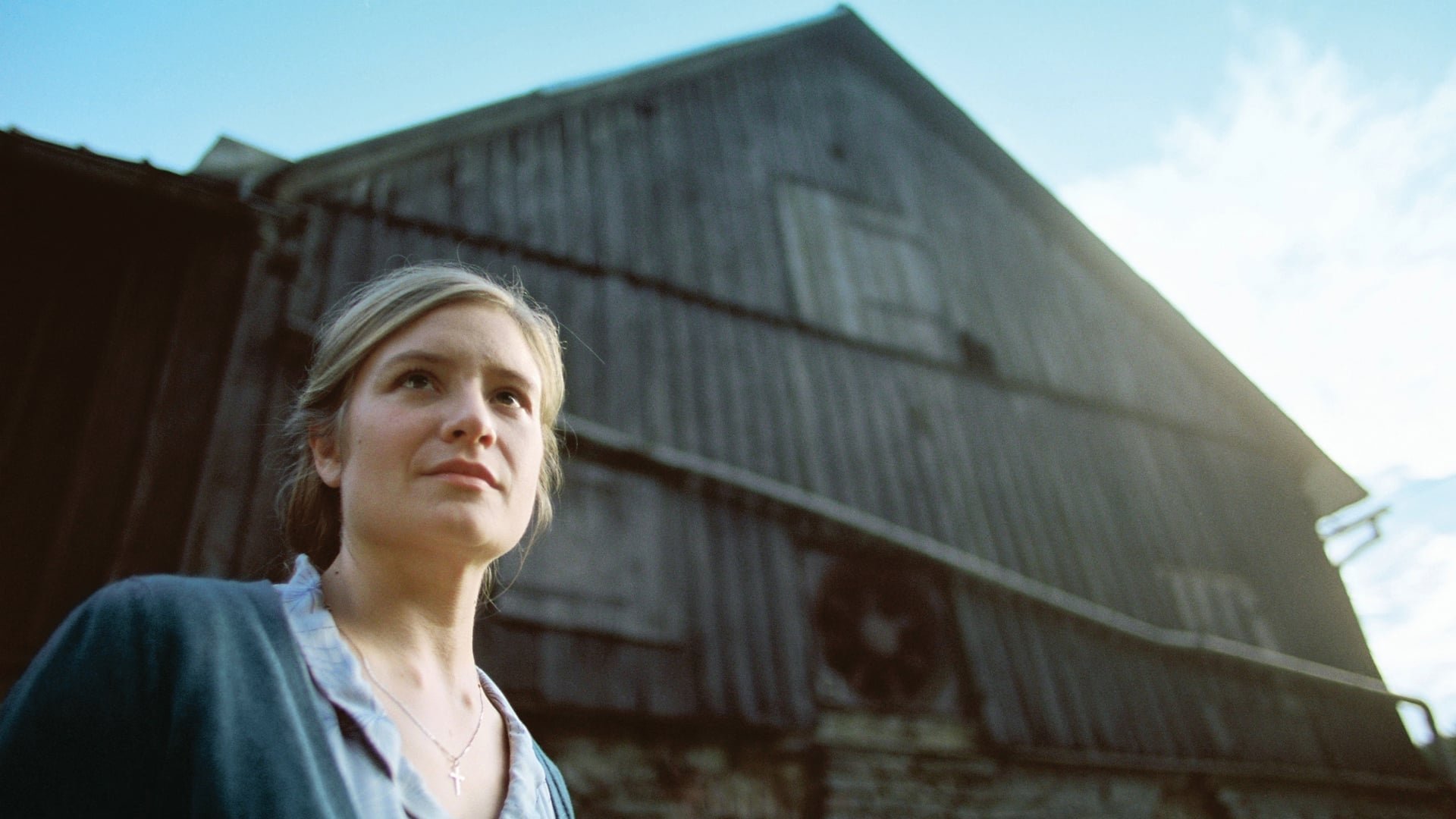
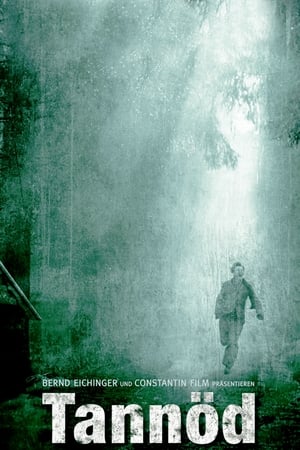


Bavaria, Germany, 1950s. The sudden return of the young Kathrin to the small village where she was born stirs up the feelings of guilt and personal ghosts of its inhabitants, haunted by dark memories related to a multiple murder that happened two years earlier at the Tannöd farm, a hideous crime that remains unsolved.
Portraying how easy it is to be an ally heavily benefits the majority audience. The more we encourage it, normalize it, and give people the tools to become one, the sooner we can co-exist peacefully.
'También la Iluvia' exploits Indigenous peoples' fight against the privatization of water in order to tell a story about Spanish characters.
Ultra-violent storytelling has never been my thing, but the issues with Scarface go beyond that. The film perpetuates harmful stereotypes about Latinx immigrants and uses gore and misogyny for shock value that never serves any purpose. The whole venture is frustratingly empty, and left me desiring something more.
Wacky antics ensue when a 100-year-old Jewish man wakes up from a pickled hibernation in the modern world.
Films and TV series often tend to misrepresent or not acknowledge bisexual characters, but recent trends show that bi-erasure is now under deserved scrutiny. So, I’m genuinely happy about the direction bi-representation seems to be taking.
Looking for some Afro-centric entertainment? Check out these movies and immerse yourself in Black culture.