
“The Whiteboard”: A Little to No Dialogue Film With Characters that tell an Endearing LGBTQ Story.
Kat Wahlen’s The Whiteboard tells, or rather shows, a delightful love story between two young women who meet in detention.
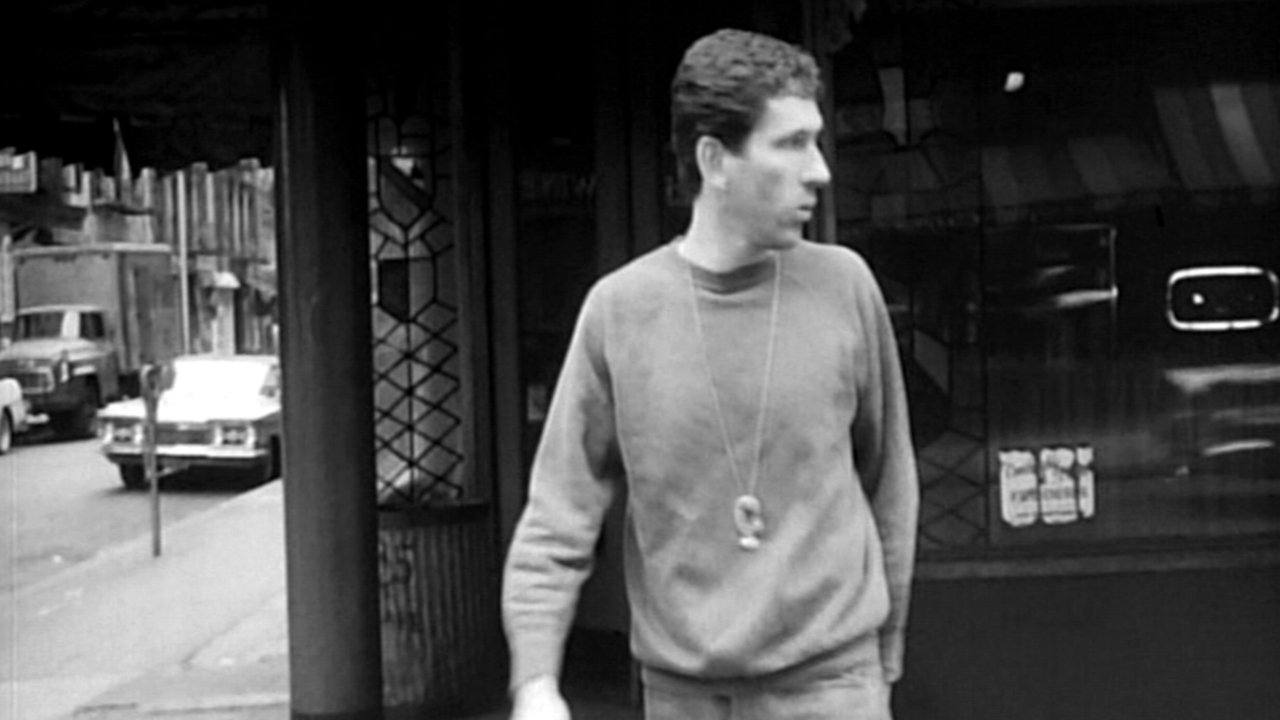
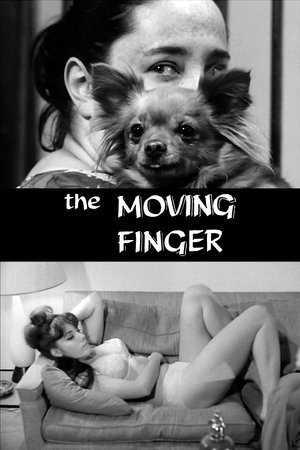


A rare beatnik artifact of the early 1960s, one of only a few such films made before the hippies took over Hollywood. Low budget and in b&w, it's set in Greenwich Village, with what seems like a mostly improvised script. It begins as a late film noir crime tale involving a bank robbery where only one of a group of thieves escapes with his life, as well as $90,000 in loot. Injured and on the run, he hides in a local tour bus and is soon taken in by a group of bohemians who shoot him full of morphine to ease his pain and let him sleep it off on a mattress. Mason is the head beatnik. There's also the owner of both an upstairs coffeehouse and garret, where these beatniks hang out. They, in turn, bring the tourist trade in. Although the robbery is supposed to be the main focus of the plot, it quickly turns into more of a character study featuring these rebellious bon vivants and their odd lifestyle...
Kat Wahlen’s The Whiteboard tells, or rather shows, a delightful love story between two young women who meet in detention.
A dynamic journey of self-acceptance and identity.
One of the reasons that people with albinism have a difficult time being seen and represented in media is probably because there is a small percentage of them.
Renee Zellweger shines in this Judy Garland biopic, which highlights the pain and loneliness that so many famous women endure.
Fire Island is the more inclusive film of the two with the bi-phobic definition of pansexuality in The Thing About Harry and its obvious lack of colour on screen
Eventually, “Hobbs and Shaw” introduces us to a Samoan community. Clearly, Johnson’s Samoan roots are on display. Quite frankly, I found this section of the film very intriguing. The “Fast and Furious” franchise has a solid track record in the diversity department