


Incluvie – Better diversity in movies.
Identity in film with Incluvie stamps, scores, reviews.

Incluvie – Better diversity in movies.
Explore identity in film with Incluvie stamps, scores, reviews, and insights.

The Morphology of Desire poster

The Morphology of Desire (2000)

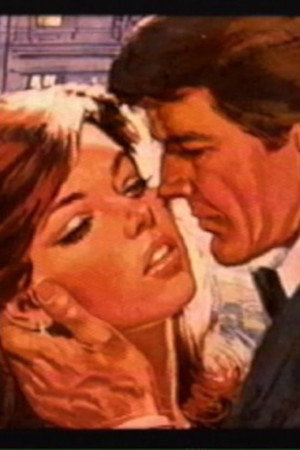
In The Morphology of Desire, Robert Arnold digitally morphs romance novel illustrations into one another to create the illusion of cinematic motion. Using covers from 1960s and 1970s romance novels he has collected, Arnold constructs a lascivious vignette that explores how gender and desire are portrayed in popular culture. According to Arnold, the narrative is “about a couple representing a popular culture romantic ideal, caught at an ambiguous point of either turning to face their desire or turning away from it, never able to fully escape from it or fully realize it.”
- / 5
PopScore
Representation

Pictures and Videos


Incluvie Gala

Movie Information


In The Morphology of Desire, Robert Arnold digitally morphs romance novel illustrations into one another to create the illusion of cinematic motion. Using covers from 1960s and 1970s romance novels he has collected, Arnold constructs a lascivious vignette that explores how gender and desire are portrayed in popular culture. According to Arnold, the narrative is “about a couple representing a popular culture romantic ideal, caught at an ambiguous point of either turning to face their desire or turning away from it, never able to fully escape from it or fully realize it.”

Rating:
Genre:
Directed By:Robert Arnold
Written By:
In Theaters:1/1/2000
Box Office:

Runtime:5 minutes
Studio:

Articles You May Like


What Netflix's “Shadow and Bone” Gets Right and Wrong with the Books’ Diversity

Netflix’s Shadow and Bone has a complicated relationship with race. It has a diverse cast, but not without its problems. Based on Leigh Bardugo’s two book series, the show features characters from the Shadow and Bone trilogy, which is very straight and white, and the Six of Crows duology, which is much more diverse. When bringing together a cast and writing about these characters, the team behind the show expanded upon some of the representation missing from the first trilogy, then seemed to take away representation from the duology. Shadow and Bone seems to play a bit of a push and pull game when it comes to portraying diversity onscreen.

Daleyna