'You Are My Home' and Only Hope
A homeless girl faces depression and uncertainty during the holidays.
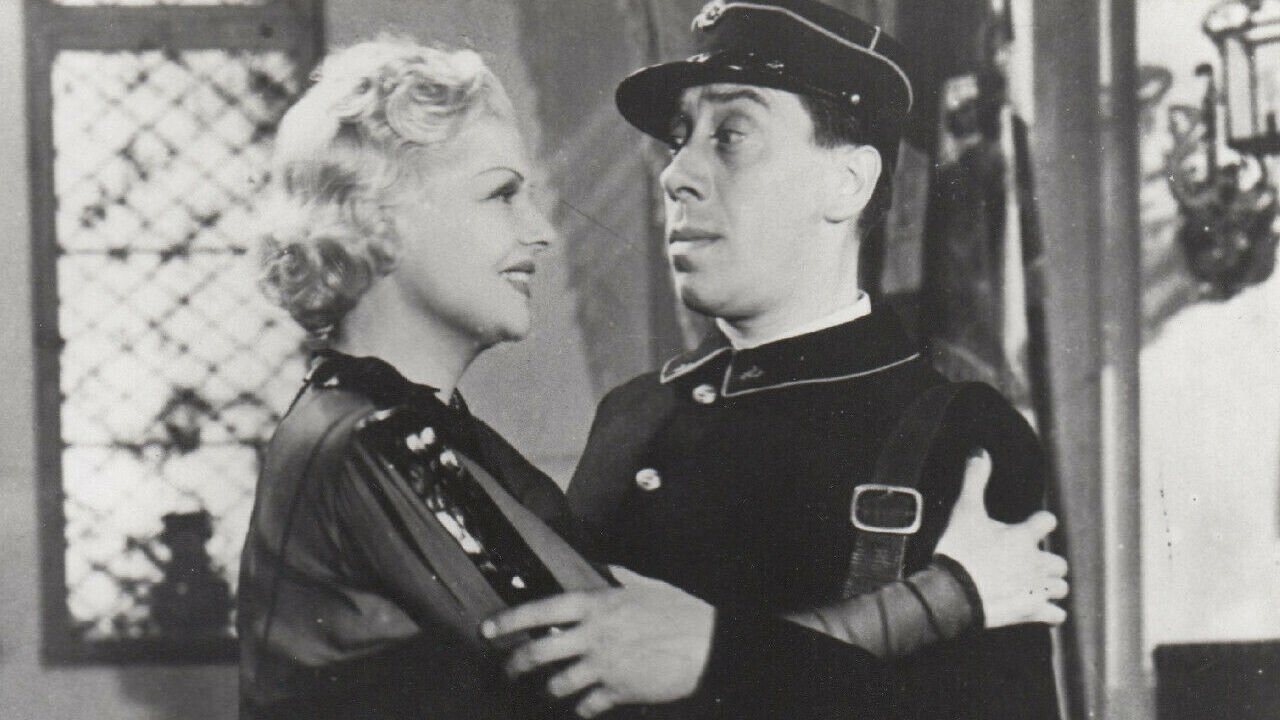



Bienaimé, a modest postman, in love with Janine, the village postmistress, does not know that he is the illegitimate son of the old Baron de Mondésir. The Baron dies and in happy amazement, Bienaimé finds he is the sole heir to the deceased's estate. But he should be careful, for two crooks, Waldemar and Erika, are after his newly-acquired wealth.

Albert Valentin
Director

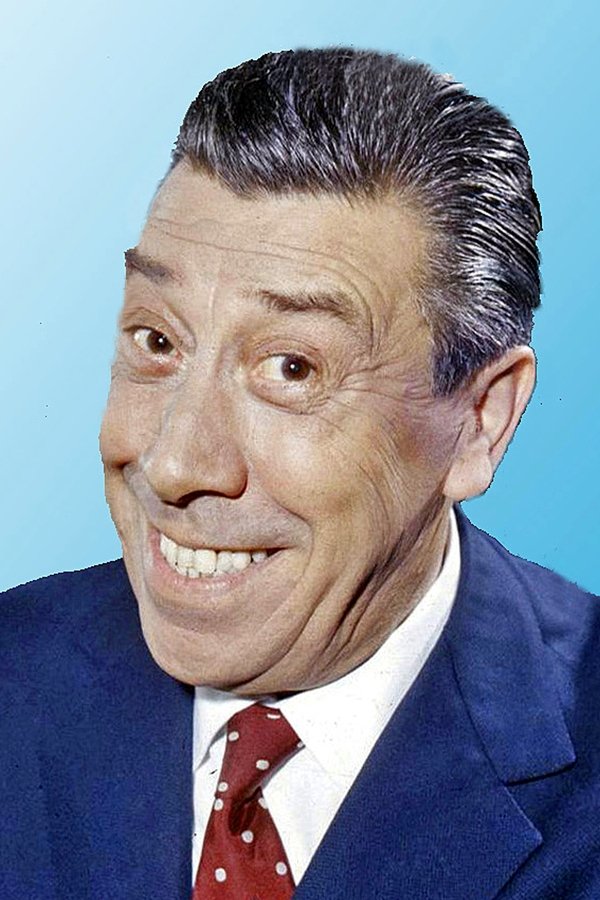
Fernandel
Bien-Aimé, le facteur, le baron de Mondésir et ses aïeux

Elvira Popescu
Erika, l'aventurière
Jules Berry
Waldemar, le mage
Félicien Tramel
Le curé

Monette Dinay
Rosette
Jacques Derives
L'ordonnateur

Yves Deniaud
Gaston
Hugues Wanner
Lepetit
Henri Beaulieu
Le colonel
Lucien Dayle
Le notaire

Marfa d'Hervilly
La cliente de Waldemer
A homeless girl faces depression and uncertainty during the holidays.
In Spike Lee’s She’s Gotta Have It (1986), we follow the love life of powerful female protagonist Nola Darling (Tracy Camilla Johns) and explore the relationship dynamics she has with her partners. She sees three men simultaneously: Greer Childs, (John Canada Terrell) Mars Blackmon (Spike Lee), and Jamie Overstreet (Tommy Redmond Hicks). Though an 80’s film, She’s Gotta Have It is surprisingly progressive with its themes of female sexuality, although at some points in the film it is handled clumsily. Overall Nola is an incredibly compelling character especially for modern women, as we as a society acknowledge female sensuality more and more without the negative stigma.
Desi Arnaz was an innovator in television and Lucille Ball was a sketch comedy clairvoyant of sorts; 'Being the Ricardos' focuses on their genius as a couple, but shies away from the interracial aspect of their marriage.
Battles will come and go and queer people do die for their identity and fights for rights, but that doesn’t mean the gays don’t deserve their happy endings in stories.
Overall, Lee Cronin’s The Mummy is plagued by numerous flaws, both from a quality and from a diversity standpoint. The film relies on gore and loud sounds to drown out its flat script, flatter dialogue, and one-dimensional characters.
A best friend that will stick with you to the end, on a group trip from hell, is someone to die for.