





Garfield the Movie: A Failure in Adapted Characters
An analysis on how the Garfield movie fails to represent the characters it is adapting, especially the women, by removing their best characteristics.

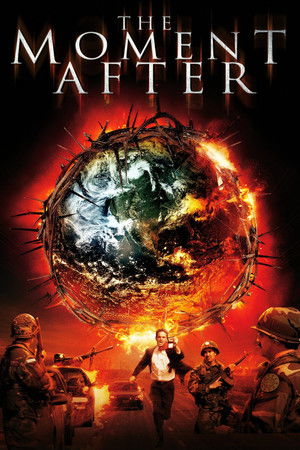
In the twinkling of an eye, a mass disappearance has occurred. Moments after the turmoil and confusion, the FBI is called in to investigate and locate the missing persons. For Agent Adam Riley (David White), it is personal. For Agent Charles Baker (Kevin Downes), it doesn't matter, it's just a job.
An analysis on how the Garfield movie fails to represent the characters it is adapting, especially the women, by removing their best characteristics.
It’s been awhile since I’ve seen a film that is jarring within the first five minutes. Being at the edge of my seat from the very beginning made me feel both excited and frightened for what was to come, and it did not disappoint. Led strongly by Jennifer Lawrence as Grace, a woman trapped in the “American dream”, this film shows that society tells us what should make us happy. Many critics describe Die My Love as being about post-partem depression, but it is so much more. After moving to a secluded home with her husband Jackson, Grace finds herself in the throes of motherhood. Feeling isolated in her physical environment and her romantic relationship, Grace suffers psychologically. Lawrence brings a sense of rawness and humor to the screen that is often uncomfortable. Robert Pattinson adds to the discomfort as her loving, yet lost husband Jackson, who cares about his wife but does not know how to help her. Lynne Ramsay has presented a film that forces us to look at the realness of life, and what happens when the promise of what should make you whole fails.
Animation as a medium of storytelling can be thought to be open to all ages and as I hope my reading will reveal, 'Nimona' could be interpreted as a transgender story.
This fantasy movie released on Disney+ has strong topics and themes related to magic.
The “gay best friend”, an age-old trope, has been done in countless films and television series. Ranging from one-note (Sex and the City's Stanford and Mario) to nuanced (Unbreakable Kimmy Schmidt's Tituss), the gay best friend exists to support and advise the main protagonist, with their conflicts swept to the side.