




“Selena: The Series,” a Small Disservice to Selena’s Legacy
'Selena: The Series' loses sight of the story's heart: Selena herself.

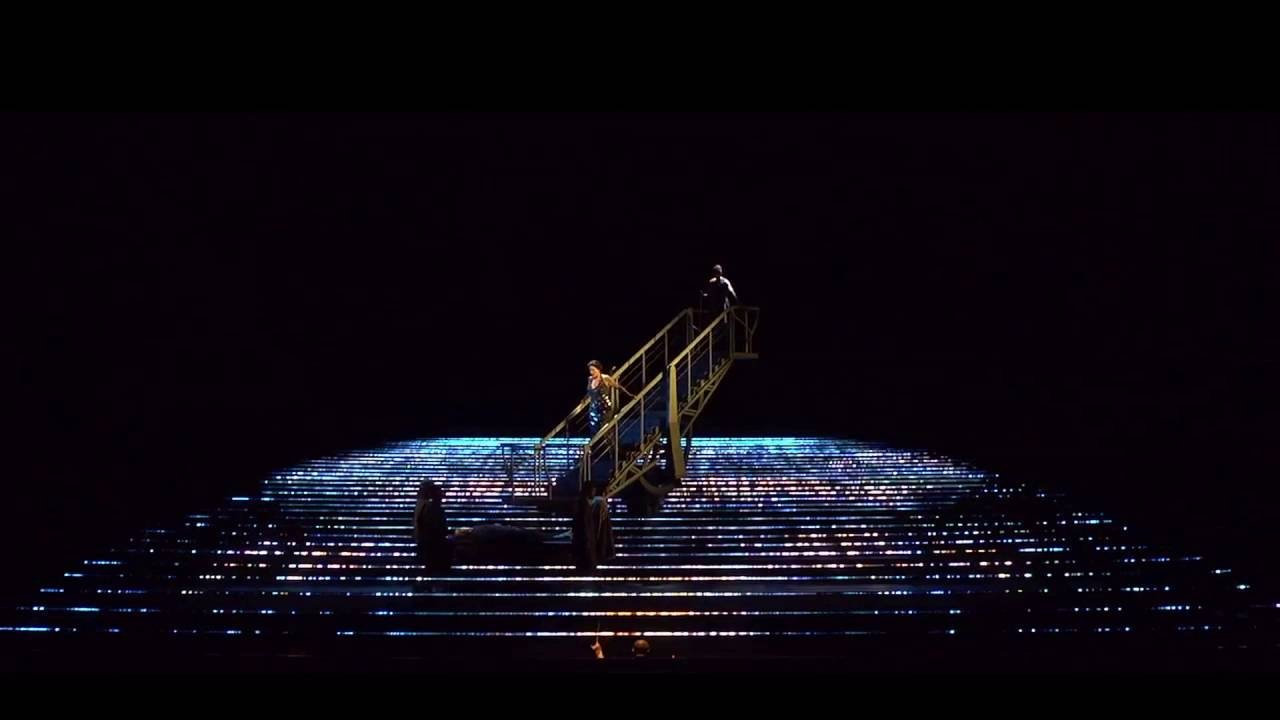
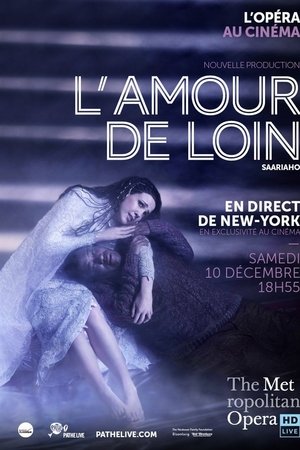
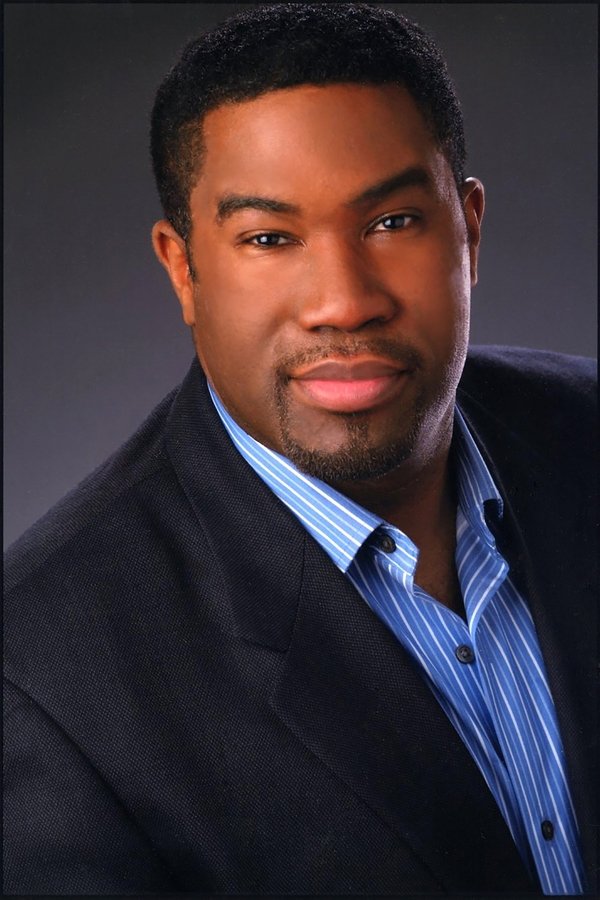
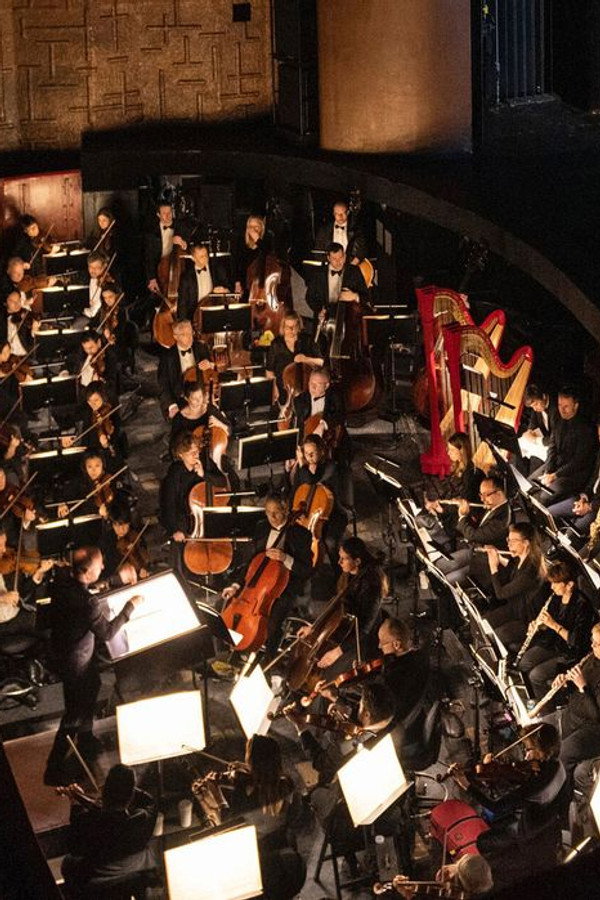
Robert Lepage’s dreamlike production, with its thousands of twinkling LED lights stretching across the stage to represent the sea, encapsulates the mystic feeling of L’Amour de Loin, Saariaho’s haunting opera of distant love. Eric Owens is Jaufré Rudel, a troubadour in 12th century France who has become tired of his hedonistic life and longs for an idealized love. Enter the Pilgrim (Tamara Mumford) who tells him his perfect love does, in fact, exist, far across the sea. She is Clémence, Countess of Tripoli (Susanna Phillips). The magic of the characters’ inner lives as they explore the meaning of love, longing, life, and death is heightened by Saariaho’s hypnotic and bewitching score, conducted by Susanna Mälkki.
'Selena: The Series' loses sight of the story's heart: Selena herself.
Self expression among teenagers is explored in the live adaptation of Jerry Spinelli's novel of the same name.
A film for the post-MeToo era that inverts the narrative with an ironic coda, Tár depicts the duality of a sensitive artist capable of great evil and vile manipulation.
Kat Wahlen’s The Whiteboard tells, or rather shows, a delightful love story between two young women who meet in detention.
Despite being an over-talked-about piece of media, 'Euphoria' has some interesting articles about it with personal angles that oppose the average tendency to be generic.
It only seems to prove that when the company had their backs against the wall and needed an all pleasing, generic movie that had to make up for The Last Jedi, they chose to sacrifice almost everything that made their main protagonist interesting and that made her stand out as the strong female character that a generation of young movie goers was supposed to look up to. Instead, we were left with a Rey that was so much less than she could have been. And I guess that’s the real story of Rey and The Rise of Skywalker; they could have been so much more, but they were just more of the same.