


Writing Great Villains: Why They Shouldn't Be Sympathetic
Writing great villains is about striking a balance between charming and evil, so we love them but also love to see them lose.

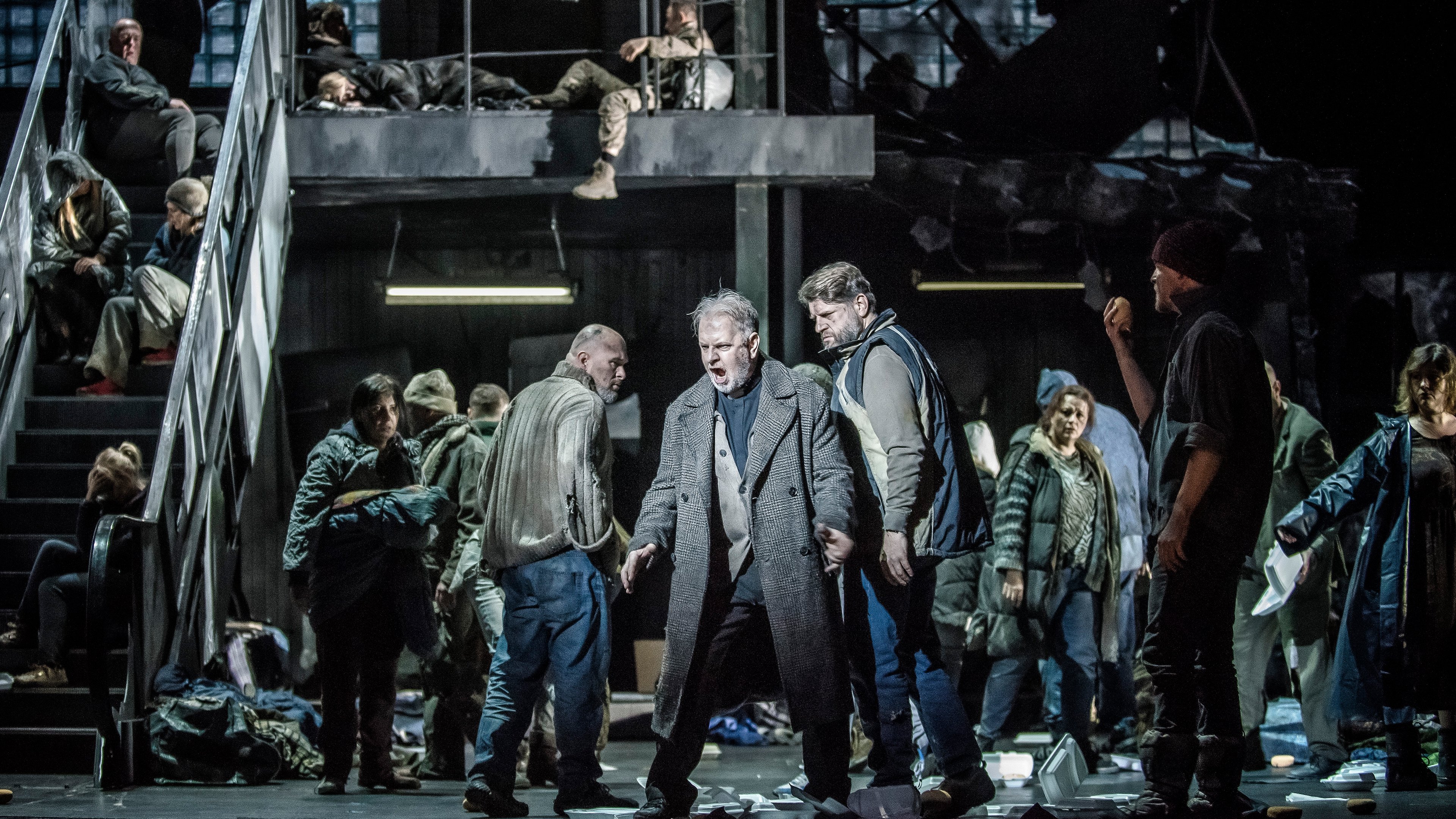
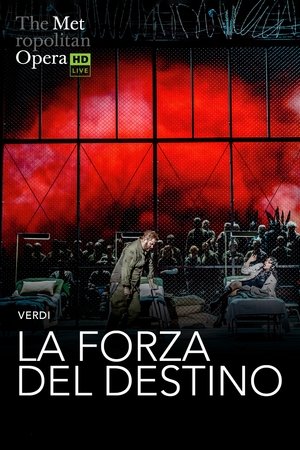
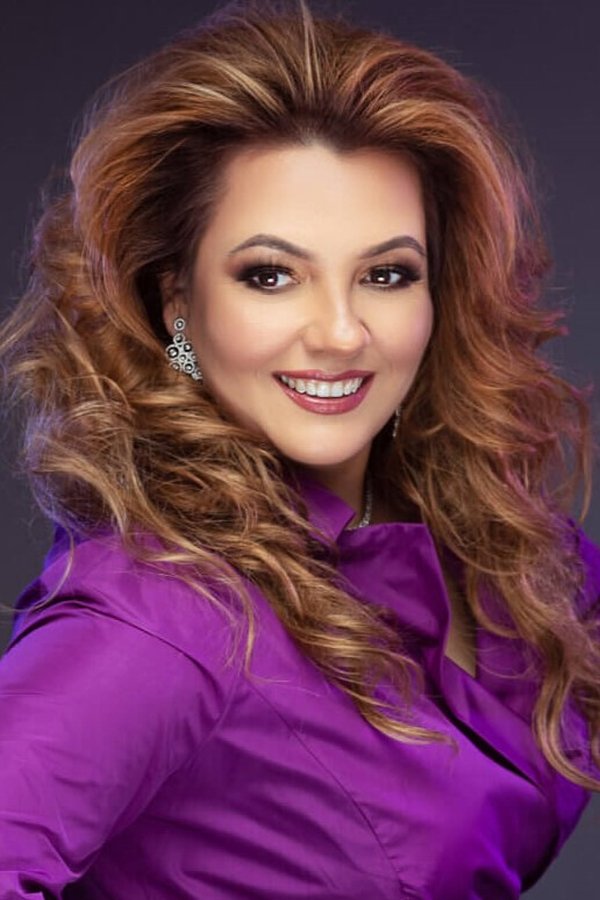
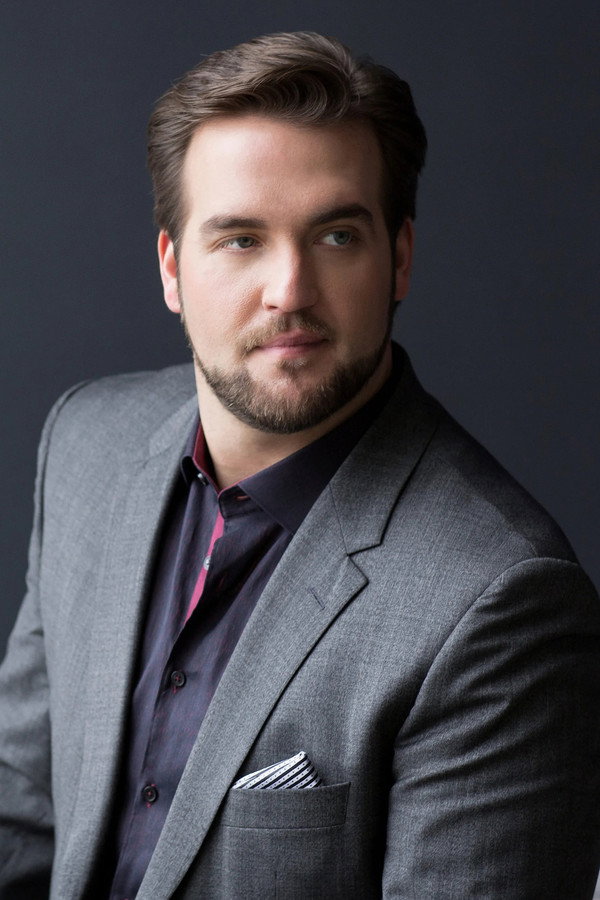
Music Director Yannick Nézet-Séguin conducts Verdi’s grand tale of ill-fated love, deadly vendettas, and family strife, with stellar soprano Lise Davidsen as the noble Leonora, one of the repertory’s most tormented—and thrilling—heroines. Director Mariusz Treliński delivers the company’s first new Forza in nearly 30 years, setting the scene in a contemporary world and making extensive use of the Met’s turntable to represent the unstoppable advance of destiny that drives the opera’s chain of calamitous events. The distinguished cast also features tenor Brian Jagde as Leonora’s forbidden beloved, Don Alvaro; baritone Igor Golovatenko as her vengeful brother, Don Carlo; bass-baritone Patrick Carfizzi as Fra Melitone; and bass Soloman Howard as both Leonora’s father and Padre Guardiano.
Writing great villains is about striking a balance between charming and evil, so we love them but also love to see them lose.
The film follows the biblical story of Moses, from his time as a prince of Egypt, to a leader for the people of Israel. It’s a film that works brilliantly in animation, and is one that both children and adults can; enjoy despite its religious contexts, it is friendly to general audiences.
Happy Halloween! If you were debating capping off Spooky Season with a viewing of Hocus Pocus 2, it is just very clear that this is more for the younger audience as opposed to people who grew up with the original.
It is not hard to make a musical biopic that pleases audiences and draws a profit. Michael is no exception.
A film for the post-MeToo era that inverts the narrative with an ironic coda, Tár depicts the duality of a sensitive artist capable of great evil and vile manipulation.