



Tom Clancy's 'Without Remorse': Amazon's Latest Blockbuster
Tom Clancy's Without Remorse has everything a movie director from the 80’s could wish.




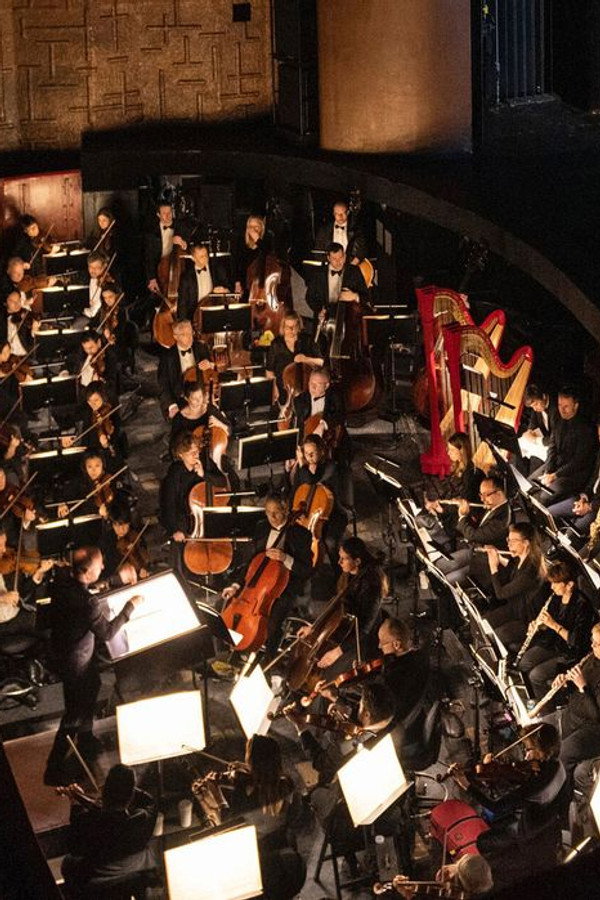
A youthful cast brings Rossini’s immortal comedy to sparkling life, led by Christopher Maltman as Figaro, the resourceful barber and man-about-town of the title. The lovely Isabel Leonard is Rosina, the clever young woman at the center of the story, and Lawrence Brownlee sings Count Almaviva, the man who loves her and—with Figaro’s help—rescues her from the house of her elderly and smitten guardian, Bartolo, played by Maurizio Muraro. Paata Burchuladze is the bumbling music master Basilio, and rising conductor and bel canto specialist Michele Mariotti leads the Met’s musical forces in Bartlett Sher’s lively production.
Tom Clancy's Without Remorse has everything a movie director from the 80’s could wish.
Considering the runtime, I expected each scene to hit harder as opposed to a series of montages and vignettes.
'Bros' is a must-watch for October's LGBTQIA+ History Month and it's as good a rom-com as any! Don't let box office numbers or misguided reviews deter you from this great film.
Cord Jefferson's hilarious and thought-provoking film continues a long-standing cinematic tradition, expanding the conversation around the impact of systemic racism in today's media.
'Kobra Auto Retrato' chronicles the inspiring journey of Kobra, a world-renowned Brazilian muralist and street artist.
Of all the many great people that have contributed to Hip-Hop and radio, I was fortunate enough to speak with James Rosseau, founder of The Corelink Solution, a nonprofit that owns and operates Holy Culture Radio.