
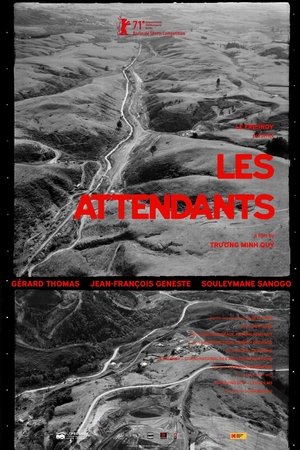
The Men Who Wait
On a slag heap, where coal miners used to tramp, men are now awaiting each other.

- / 5
PopScore
Representation
Pictures and Videos

Movie Information
On a slag heap, where coal miners used to tramp, men are now awaiting each other.
Rating:
Genre:Drama
Written By:Trương Minh Quý
In Theaters:
Box Office:
Runtime:15 minutes
Studio:Le Fresnoy, Levo Films
Cast


Articles You May Like
“Pather Panchali”: Satyajit’s Show, Sisyphus’s Saga
‘Cursed’ is Struck with a Bland Curse
Cursed is based on Frank Miller’s graphic novel, and is a retelling of the Arthurian legend with a twist. Instead of King Arthur gaining Excalibur, a teenage sorceress named Nimue (Katherine Langford) does. Her people — the Fey — are being hunted down, and so Nimue will do whatever it takes to save them.
It Goes all the Way to the Top: Motherless Brooklyn
'Motherless Brooklyn' is a 1950s whodunit made by its star, Edward Norton. Like most detective films in this setting, the cast is mostly white males (with a few notable exceptions).
Shadow and Bone | Powerful Centering of Culture
Shadow & Bone excels in natural story representation with powerful centering of culture. Jessie Mei Li stars as Alina Starkov, the feisty cartographer with kindness, innocence, and integrity, who comes to be revealed as the legendary summoner of light.
“They’ve Gotta Have Us” Explores the Rise of Black Cinema in Hollywood
The history of Hollywood is as ugly as it is beautiful. Most notably absent from Hollywood history are Black-produced films. “They’ve Gotta Have Us” explores the rise of Black cinema.