Incluvie Film Fest 3rd Place Winner: ‘Warmth’ Review
This film is a splendid mix of mediums, but its strength lies in its simplicity and beautiful message of closeness.




A circus performer becomes a ballerina and then begins her life of a career versus marriage and a home-life. She marries her first husband, her mentor and instructor, primarily out of gratitude. After his death, she marries an American thinking that can be her escape from the world of ballet. But she leaves him to return the dancing. She has a child but does not tell her husband. When her daughter is two-years-old, the husband finds out and takes the child to America. The ballerina continues to dance until her best dancing days have gone by.
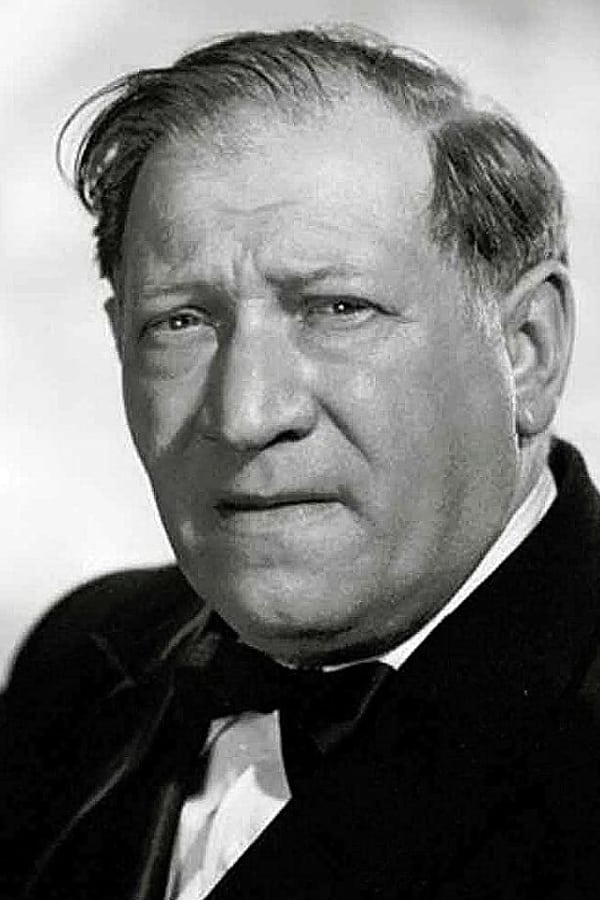
Gregory Ratoff
Director


Loretta Young
Lina Varasvina / Polly Varley
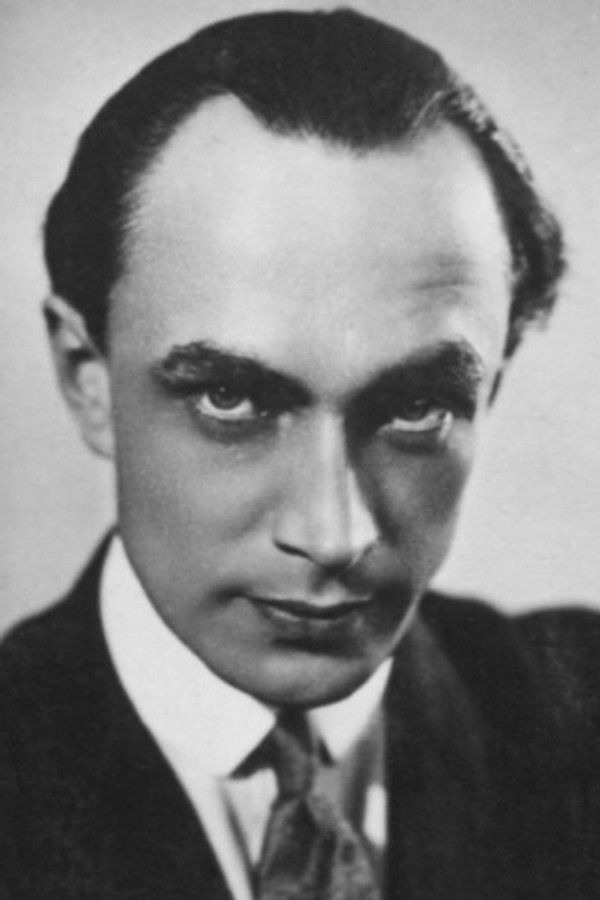
Conrad Veidt
Stanislas Rosing
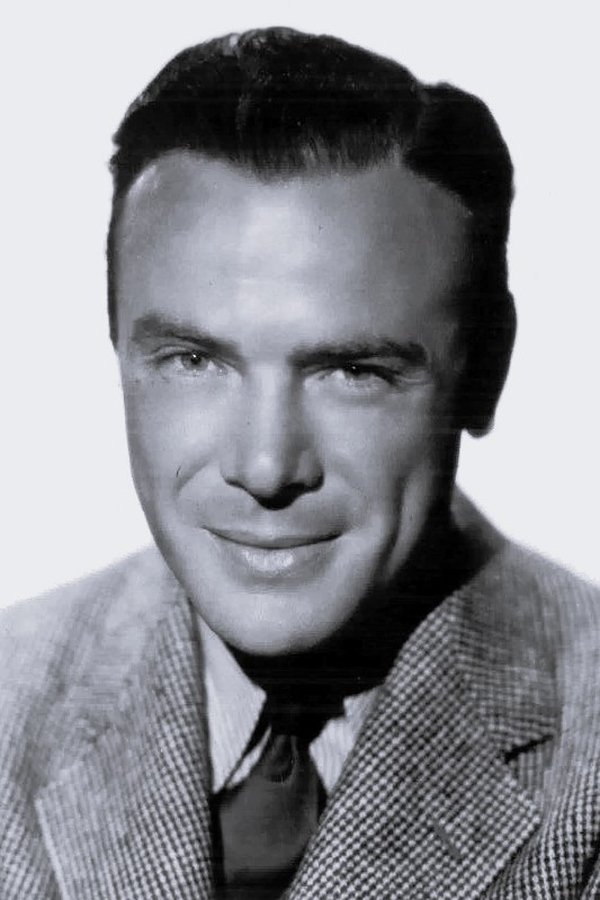
Dean Jagger
David Gibson

Eugenie Leontovich
Marie

Shepperd Strudwick
Roger Chevis
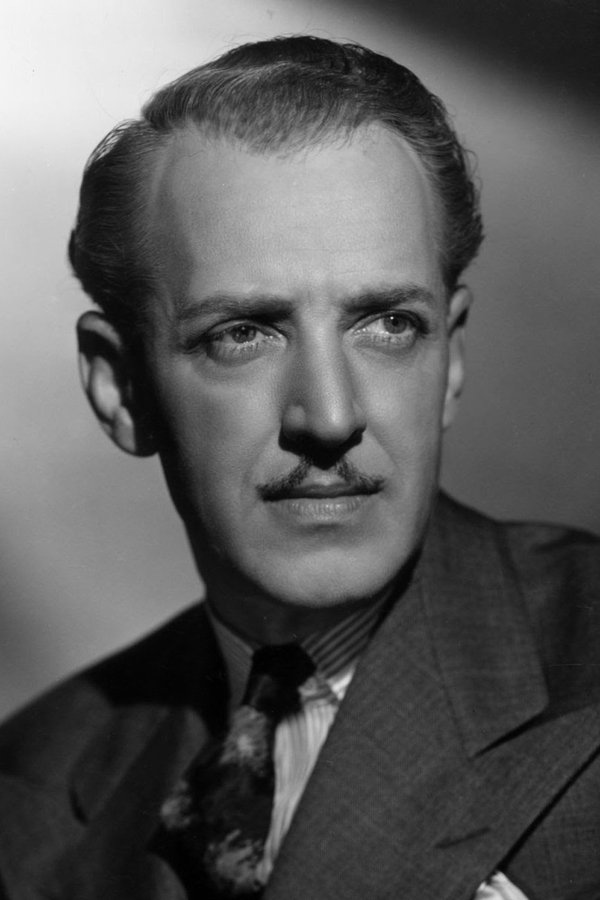
Otto Kruger
Victor
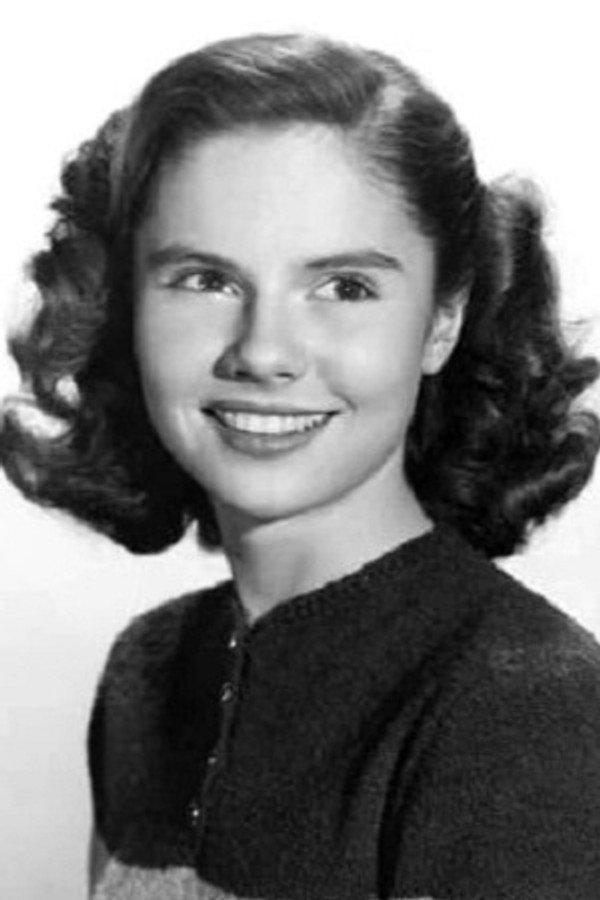
Ann E. Todd
Rose
Paul Baratoff
Manilov
Billy Ray
Nurdo (as Billy Rayes)
Ludmila Toretzka
Mme. Olenkova
Tommy Ladd
Lina's Dancing Partner (as Tom Ladd)
This film is a splendid mix of mediums, but its strength lies in its simplicity and beautiful message of closeness.
Striving for validation. Let’s be frank….we ALL want to be successful. Whatever we put our efforts into, ideally it is to make it culminate in the best possible results across the board, especially when it comes to what career path we are pursuing. We WANT to excel, to shine, to advance, to be acknowledged. AND…let’s hope that we also wish to better everyone around us to boot. However, what occurs when those whom we initially put our trust in suddenly become a burden instead of a boon? Do we falter under the weight of rejection? Or STAND UP for WHO WE ARE?
The sequel to the 2010 live-action movie focuses on sibling rivalry.
Tara Thorne’s film is equal parts emotional and comedic, illustrating the beauty and the pain of long term relationships.
Who said Batman is the only hero to rock the black cape? This article will explore vampires as trans allegories and the femme fatale trope being remastered.
On March 31st, International Trans Day of Visibility, following some COVID related delays, the trailer was finally dropped, and although Taylour Paige and Riley Keough look to impress as lead characters Zola and Stefani, a brief cameo from a queer icon was what convinced me I have to see this movie.