
"Nightborn" and Why We Need More Feminist Horror
Coralie Fargeat once said that “Being a woman is body horror,” and when you think about the ways we are taught to experience our own bodies, it becomes almost impossible to argue with her.
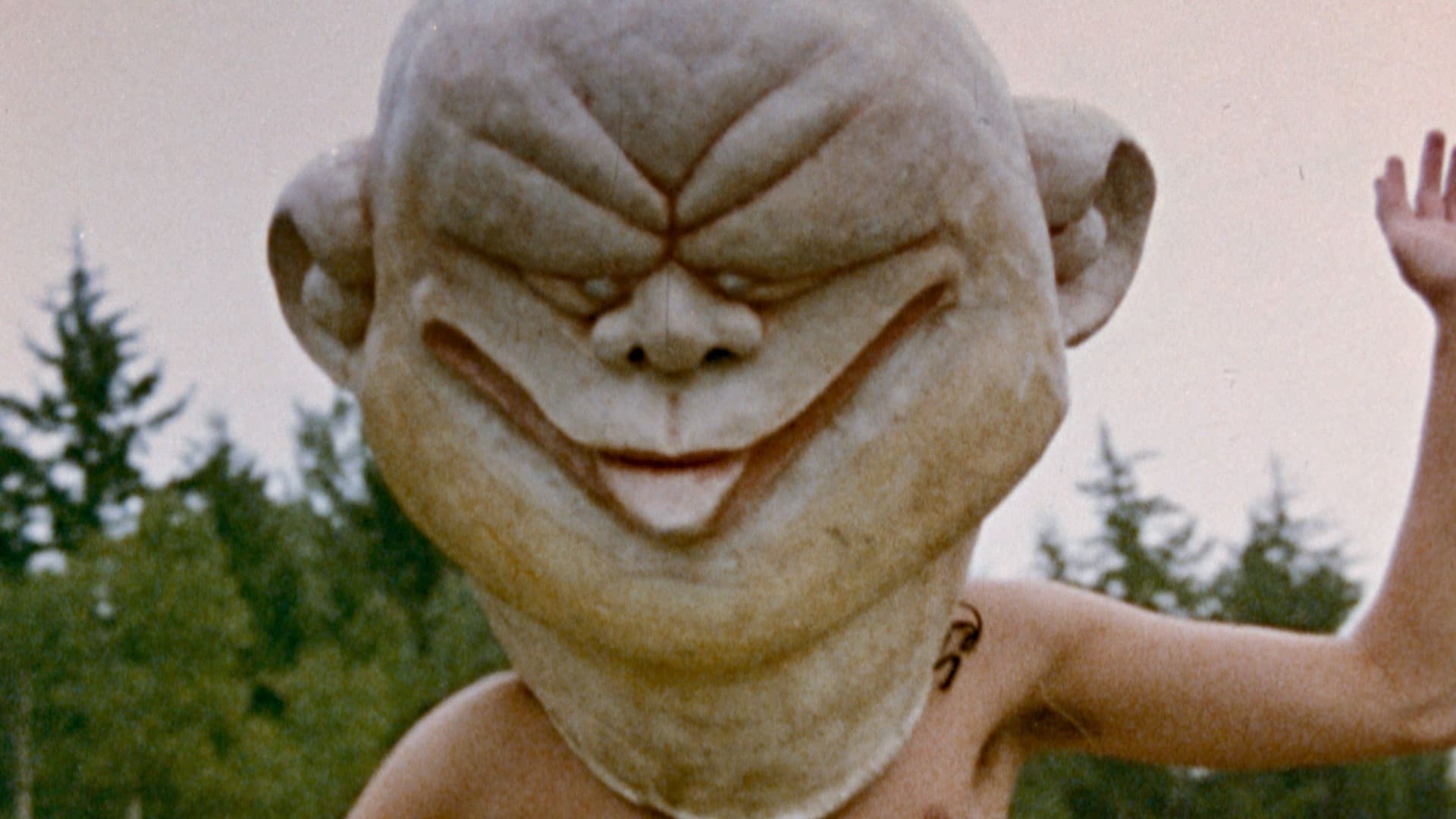


Fantastical, larger-than-life puppetry and rambunctiously playful choreography is framed against an Edenic backdrop of Vermont farm country in George Griffin and DeeDee Halleck’s luminous, lyrical short film, which documents the 1974 edition of the Bread and Puppet Theater’s annual Domestic Resurrection Circus, taking place soon after the company’s relocation from downtown Manhattan to the rural New England enclave where it remains headquartered to this day.
Coralie Fargeat once said that “Being a woman is body horror,” and when you think about the ways we are taught to experience our own bodies, it becomes almost impossible to argue with her.
Remember Caroline from Vampire Diaries? Well, now she’s The Suitcase Killer, allegedly.
When diverse representation is featured on-screen, it oftentimes comes with strings attached that undermine the message they were trying to send. This can be attributed to the fact that behind-the-screen, the industry primarily does not reflect the breadth of diverse difference that is present in daily life. That’s why when something as powerful and authentic as Minari comes along, it is both incredibly wonderful and needs a large audience to witness it.
In Jeymes Samuel's history-infused, neo-spaghetti western, Black women are center stage with a fresh hip hop mixtape keeping rhythm in the backdrop.
This delightfully odd horror movie presents a whimsically strange alternate reality to younger audiences.
Jennifer Lopez leads the story as Zoe, a determined woman who opts for artificial insemination after a string of failed relationships. Lopez's portrayal adds depth and warmth to Zoe