San Junipero: Queer Heaven on Earth
Battles will come and go and queer people do die for their identity and fights for rights, but that doesn’t mean the gays don’t deserve their happy endings in stories.
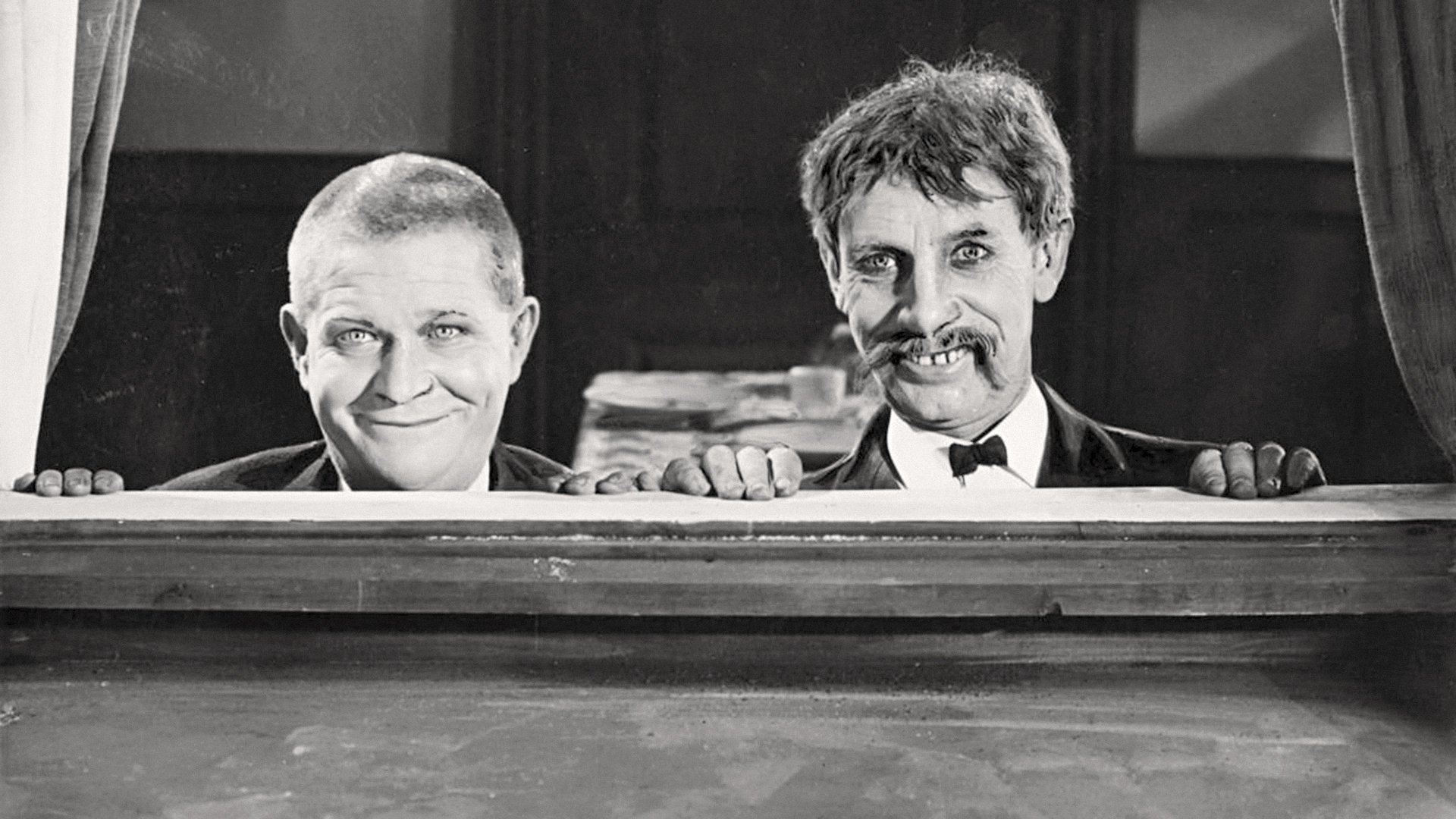
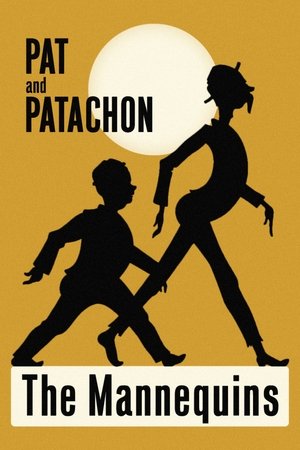


Pat and Patachon live in the attic of an old house along with a number of other curious kinds of people. One of the residents is a fortune teller, who tells Patachon that he will inherit a fortune and marry one of the two sweet choir girls who live next door, and whom he happens to be in love with. The two friends don’t think much more of it and instead head off to work, as models for a tailor. They stroll through the streets in sharp suits, in the hopes that the two choir girls will see them and think that they’re wealthy men, who simply live in the run-down house to study the bohemian lifestyle.

Lau Lauritzen Sr.
Director

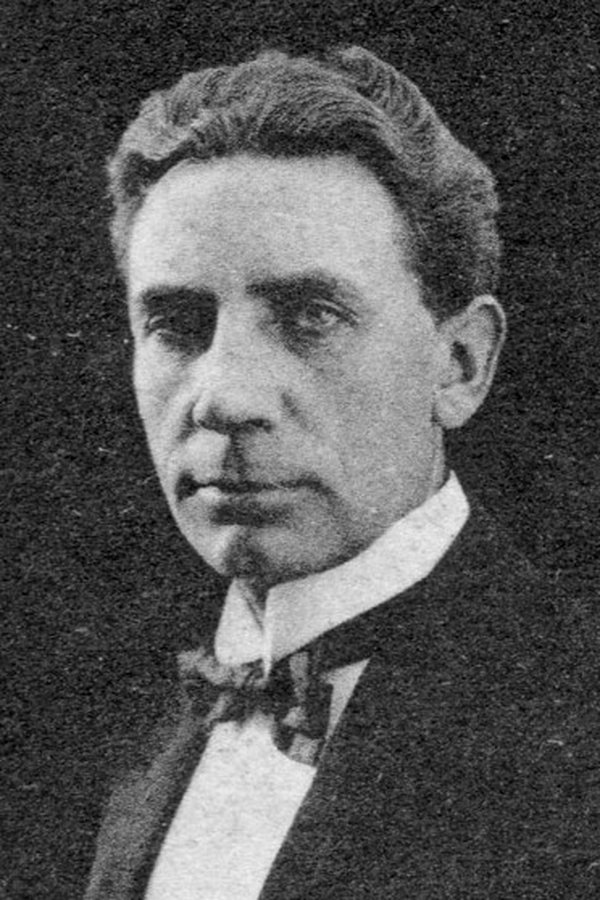
Carl Schenstrøm
Pat (Fyrtaarnet)
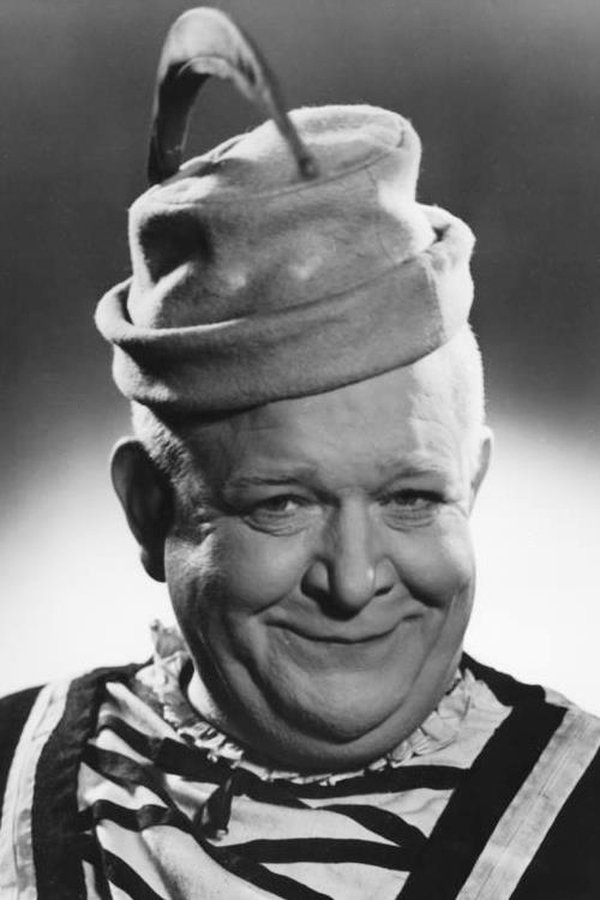
Harald Madsen
Patachon (Bivognen)
Nina Kalckar
A young girl

Marguerite Viby
A young girl
Victor Wulff
The attorney
Gerda Kofoed
The attorney's daughter
Bruno Tyron
The boxer
Emmy Schønfeld
Aunty Malin, the fortune teller
Mathilde Felumb Friis
The landlady
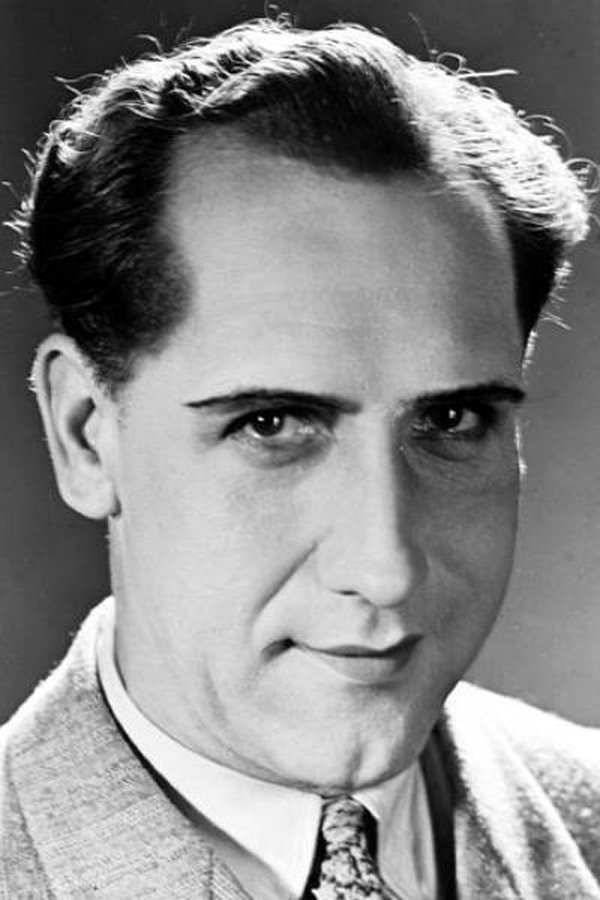
Alex Suhr
The clerk
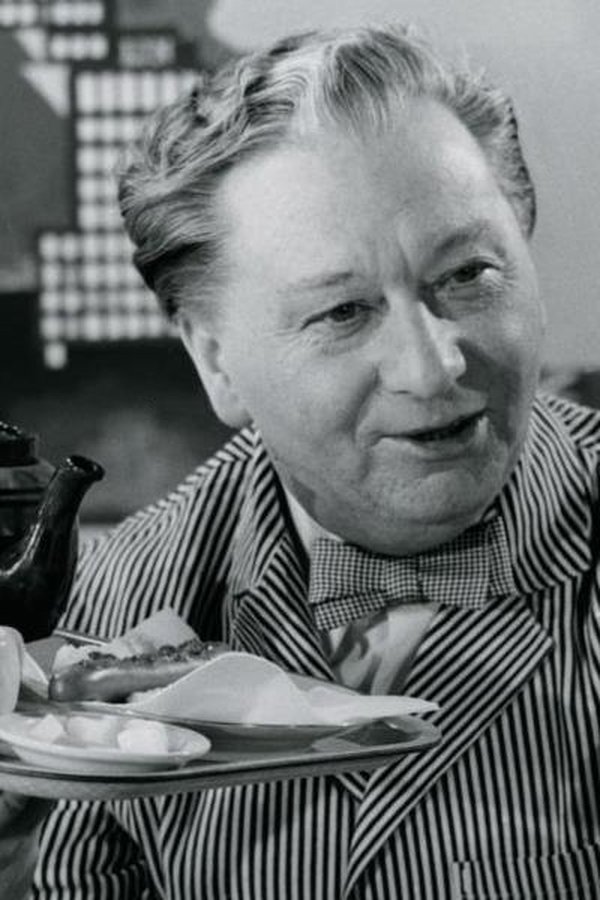
Christian Arhoff
The ballet master
Battles will come and go and queer people do die for their identity and fights for rights, but that doesn’t mean the gays don’t deserve their happy endings in stories.
An adventure that centers on freedom and captures viewers' hearts.
"The Old Guard" doesn't break ground, but it sure does bust boredom and fictional heads as an entertaining action romp on Netflix.
Dora is the superhero we didn't know we needed.
This action thriller is made with the hope that the black youth of America will feel empowered, and realize the significance of their heritage.
Gay representation is out there, but to portray a character who's gay as a big, happy brute is a rare treat.