










The Last of Us is Flipping the Script For Game Adaptations
An apocalyptic tale captivates the nation as it teaches us to love even in the hardest situations.

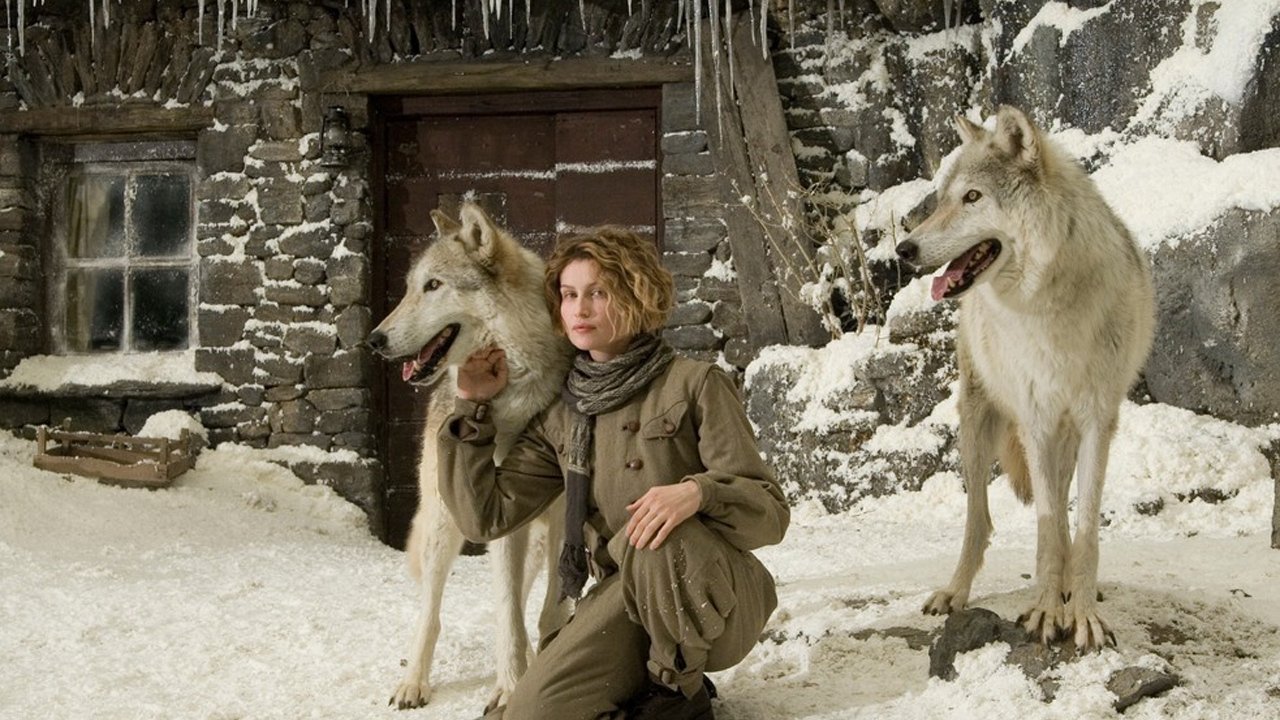
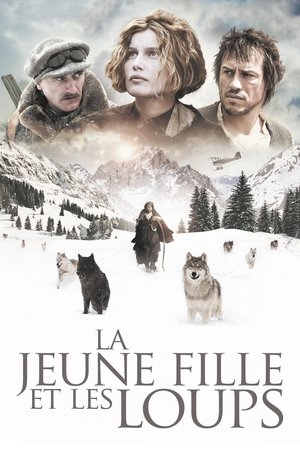
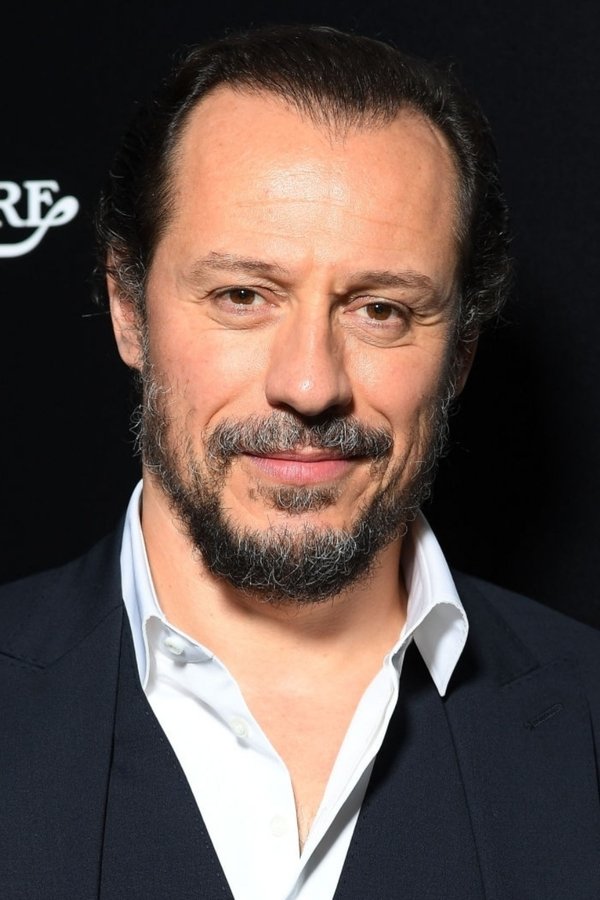
Not long before World War I, in a French Alpine town near the Italian border, a pack of slaughtered wolves is delivered to local taxidermist Leon (Patrick Chesnais). A surviving black cub comes down from the mountains looking for his family, and is saved from discovery and certain death by Leon’s young daughter Angele, who releases him back into the wild. The Great War comes and goes, making local foundry owners the Garcins rich. Family patriarch Albert Garcin (Michel Galabru), who happens to be Angele’s godfather, has given a free lifetime’s lease of a shack in the hills to a gypsy woman (played in flashbacks by Elisa Tovati in which she’s seen, literally, having dances with wolves on stage). Her son Guiseppe (Stefano Accorsi), who appears to be slightly mentally handicapped, guards the wolves he’s befriended up there, especially the black pack leader he calls Carbone.
An apocalyptic tale captivates the nation as it teaches us to love even in the hardest situations.
This horror movie combines elements of horror and babysitting with Black representation.
By undermining the appeal and credibility of black characters, the show compromises the very idea of diversity and representation it sets to promote.
Seeing that the film was essentially his first big, mainstream feature, and with garnering a leading role — portraying the revolutionary ball-player Jackie Robinson — Boseman, without question, delivered a performance that is still so incredibly moving, respectful, genuine, and true to the core of his obviously sincere, artistic heart; and with that, it is indeed so saddening to see him pass.
The film may be a thriller, but I wasn’t thrilled by it. If anything, I was bored and annoyed.