
Celebrating the Diversity of the 2026 Oscars
2026 ranks highest in Oscars history for its representation of minorities in all categories, and that’s definitely something to be celebrated.
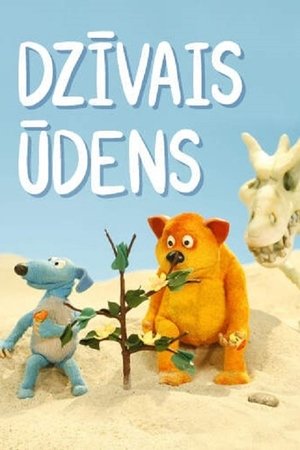


Friends Munk and Lemmy try to grow a fruit tree in the desert, but they need water. Munk discovers a spring with unusual water—once poured on the sapling, it blossoms, greens, and bears fruit at miraculous speed. Their acquaintance, Green Sloth, also wanting the fruit, accidentally spills the magical water and brings a prehistoric skeleton to life. Only after a perilous chase and some clever moves do the two friends manage to overcome the aggressive skeleton and escape safely.
2026 ranks highest in Oscars history for its representation of minorities in all categories, and that’s definitely something to be celebrated.
A fun-loving story focused on surviving middle school and tailor-made for its target audience. "The Diary of a Wimpy Kid" follows the paradox of finding true friendship and securing popularity no matter what it takes.
Diversity is incorporated in a way that only aids in a well-rounded conveying of stories through different lenses. The show’s success is a testament to what audiences are craving: authentic stories that broaden the mind and heart.
Set against the backdrop of the Jim Crow era, the film offers layered representation.
Over the last several years, I have had the privilege of being one of the critics having the opportunity to watch and review several films from writer/director/producer Marcellus Cox, whose efforts are never anything less but grounded, relevant, and steeped in unflinching glimpses illustrating the gripping, inspired, and ever-vacillating realms that make up the human condition.
After We Collided is a sequel to last year’s After, which itself was based on Anna Todd’s 2014 novel of the same name, and which was originally published as a Harry Styles-centric fan-fiction on WattPad (a similar path as E.L. James’ Fifty Shades of Grey series).