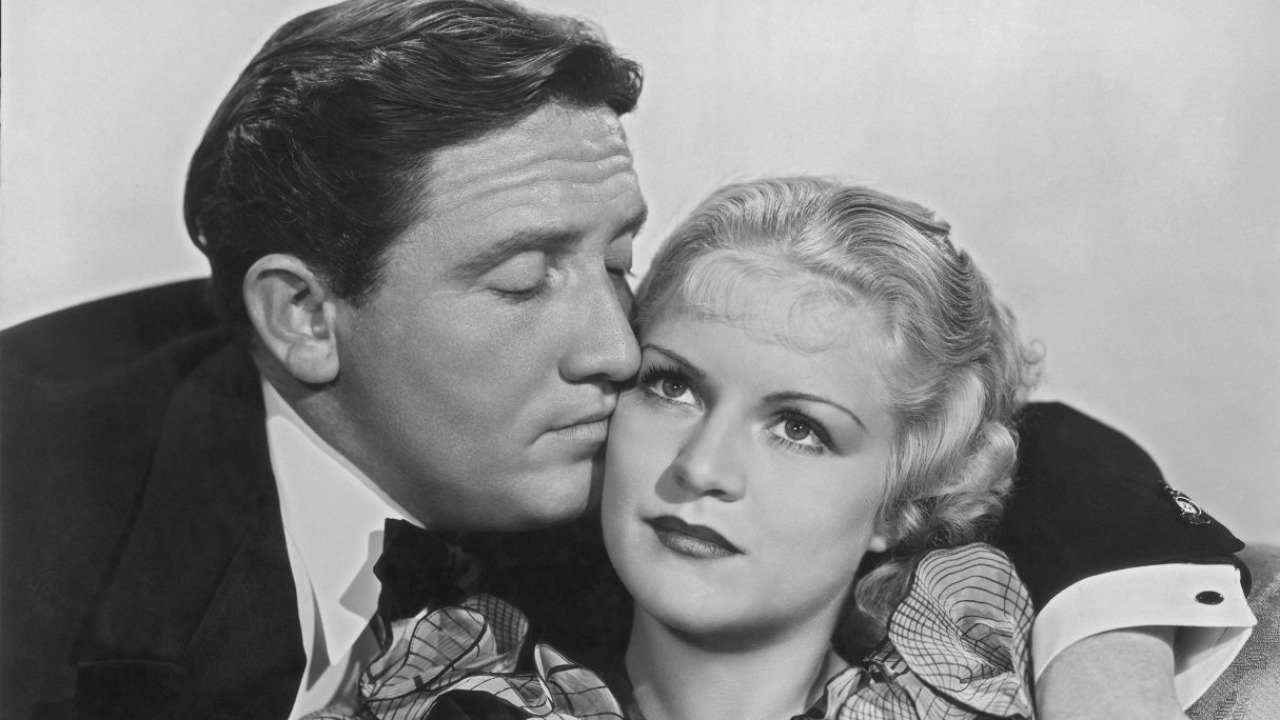
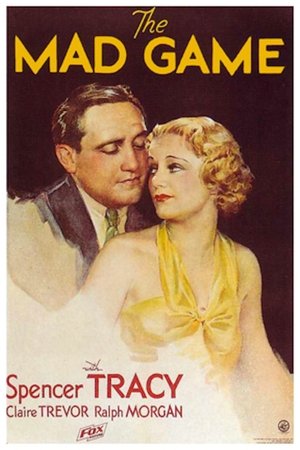
The Mad Game (1933)
Bootlegger Ed Carson is sent to prison. His old gang turns from liquor (now legal) to kidnapping. When they nab the son and daughter-in-law of the judge who sent Carson to prison, he is paroled to help in the capture.

- / 5
PopScore
Representation
Pictures and Videos

Movie Information
Bootlegger Ed Carson is sent to prison. His old gang turns from liquor (now legal) to kidnapping. When they nab the son and daughter-in-law of the judge who sent Carson to prison, he is paroled to help in the capture.
Rating:NR
Genre:Crime, Drama
Written By:Henry Johnson, William M. Conselman
In Theaters:10/27/1933
Box Office:
Runtime:73 minutes
Studio:Fox Film Corporation




Articles You May Like
Good Trouble Is What TV Needs Right Now
If you haven’t watched Good Trouble yet, you need to. This Foster’s spinoff, aptly named for civil rights champion and Congressman, John Lewis, follows Mariana and Callie Adams Foster as they begin a new chapter of young adulthood and navigate life, careers, social justice, and love.
Exit 8: The Endless Loop in the Modern Society
A man found himself stuck inside the passage to the subway exit on the way to work.
Wreck-It Ralph Transforms from Bad Guy to Good Guy
I'm bad, and that's good. I will never be good, and that's not bad. There's no one I'd rather be than me.
"Fantastic Four: First Steps" (2025) Film Review-OMG...a Marvel movie to love again!
I have been a long-time fan of the Marvel Cinematic Universe ever since it made its official debut through 2008's absolutely excellent "Iron Man". The run continued, as did my associated fandom of the films, through the utterly EPIC 2019 finale "Avengers: Endgame".
Why You Should Know About 'Welcome to Chechnya', One of 2020's Most Thrilling Films
Documented human suffering is never easy to view or read about and is understandably triggering for many people, but it can be educational, and education is a key to change. An overwhelming amount queer people worldwide (and in my own country) have it far worse than I could imagine, and documentaries such as Welcome to Chechnya bring issues to light that certain groups of people would never see.