






Dead Poets Society Steals a Queer Story
Dead Poets Society relies on patriarchal tropes such as overbearing fathers, contrived brotherhood, and faux-individuality in order to portray its straight white male characters as oppressed.
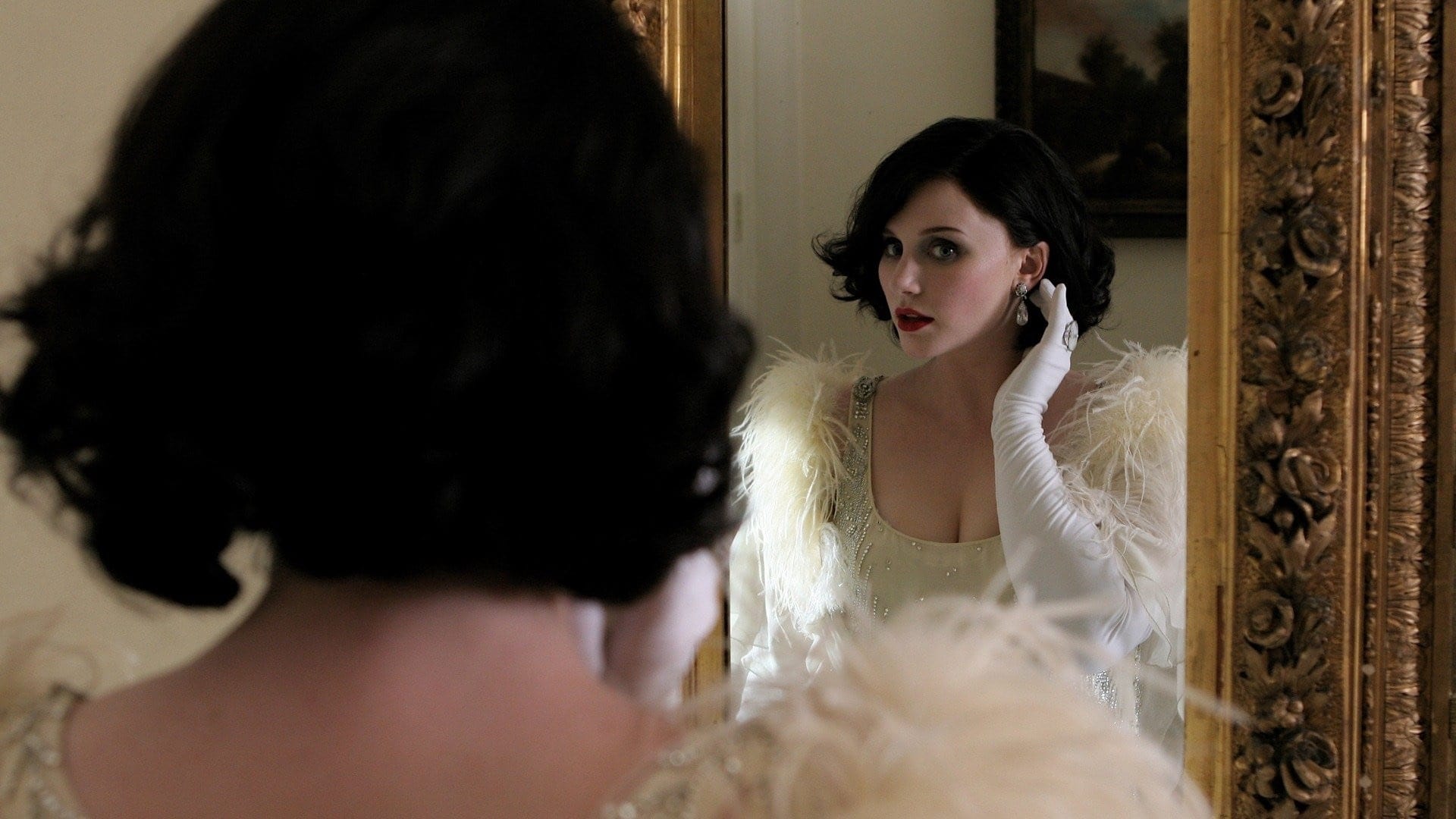
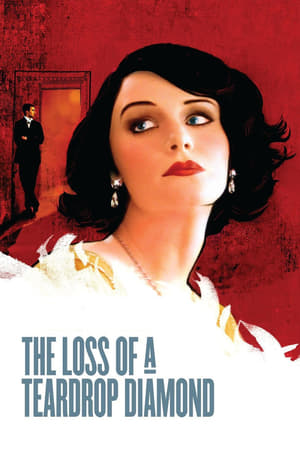


Fisher Willow is the disliked Memphis débutante daughter of a plantation owner with a distaste for narrow-minded people and a penchant for shocking and insulting those around her. After returning from studies overseas, Fisher falls in love with Jimmy, the down-and-out son of an alcoholic father and an insane mother who works at a store on her family's plantation.
Dead Poets Society relies on patriarchal tropes such as overbearing fathers, contrived brotherhood, and faux-individuality in order to portray its straight white male characters as oppressed.
The gentle, emotional nuances of Evan’s coming-of-age story would have been so beneficial to have incorporated into the life of a POC character. Showing a Black, Asian or Latino young man that is afforded the space to be vulnerable, flawed and sensitive while driving a compelling and widely-loved narrative would have been a game changer.
I’m disappointed in The Woman in Cabin 10, but that’s at least in part because of my love of Ruth Ware’s novel.
As an Indian lesbian living in the United Kingdom, the cards are stacked against Geetika from the start.
“And I think to myself….what a wonderful world”. Louis Armstrong sang about this notion via his classic 1967 song, an ode to witnessing elements of our life that should be but some reminders of exactly what that concluding line of each verse indicates. Now we see our contemporary realities and, just being honest, it makes a sentiment like this seem SO overtly far away….perhaps even impossible….to accept or believe could be. It sounds harsh, but again, so much of what is occurring speaks not to beauty, but bedlam.
A musical adventure that young viewers will enjoy as Blue and Josh travel to New York City for a big opportunity.