



A Personal Experience of Representation - The Intersection of Armenian Culture & Epilepsy
I am an Armenian who has a mild form of epilepsy. I rarely see Armenian culture and epilepsy properly portrayed in film or TV. I delve into the how and why.
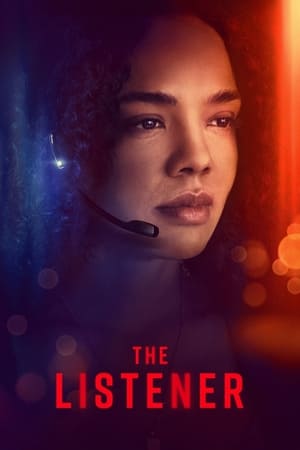


Beth is a helpline volunteer – part of the small army that gets on the phone every night across America, fielding calls from all kinds of people feeling lonely, broken, hopeless. Over the last year the tide has become a tsunami. As Beth goes through her shift, the stakes rise: is this the night she will lose someone? Save someone? Eventually, Beth’s own story comes to light, revealing why she does it. All along we remain with her: listening, comforting, connecting – patching the world back together, one stitch at a time.
I am an Armenian who has a mild form of epilepsy. I rarely see Armenian culture and epilepsy properly portrayed in film or TV. I delve into the how and why.
"WHAT ARE YOU WILLING TO SACRIFICE?!!!!" "EVERYTHING!!!!!" This is but one of a multitude of highly emphatic questions, and subsequent answers, being asked in the newest feature film from one of the current masters of horror, Jordan Peele ("Get Out", "Us" and "Nope"). I must give Peele credit in that he continues to push the boundaries of specific genres and their associated tropes in order to provide what ends up amounting to subtly then jarringly intense, yet still character and story-driven, cinema that speaks more to indie stylings than mainstream.
'Hawkeye' episode five features Clint facing his sins, Kate having dinner with an assassin, and the reveal of the long-awaited [SPOILER].
'Zombieland: Double Tap' was entertaining and fun at times, but not very evolved. It had poorly developed female characters and stereotypical characters of color.
Disguised as a cosmic highway horror, Alexander Ullom’s It Ends is a beautiful, albeit terrifying, metaphor for learning that if you want to survive adulthood and become your own person, you have to learn to let people go.