


What 'Magnolia' Says About Childhood Trauma
Magnolia focuses on how one’s childhood and trauma relate to their confidence and self.

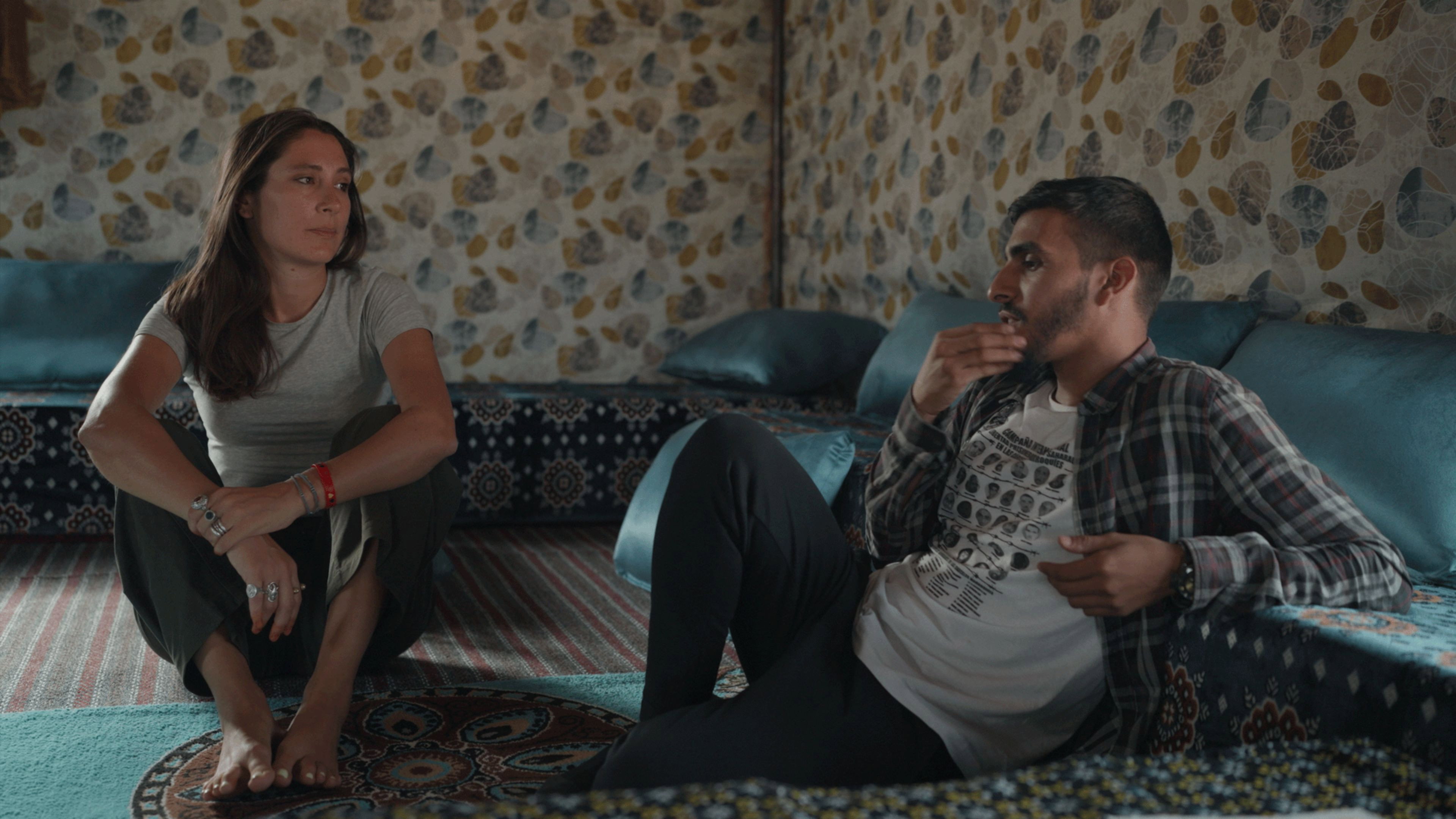
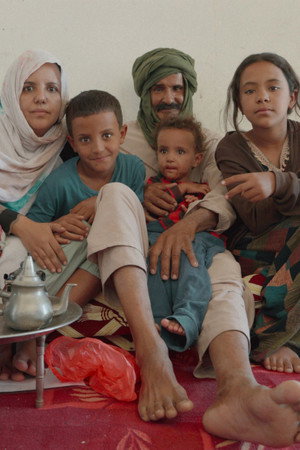
In the 1990s, an eight-year-old girl, Carolina, is traveling in a desert. There she meets the Saharawi, a people of exiles, chased out of their own land. In the refugee camps, the Saharawi believe that they will shortly be returning home, thanks to the referendum that will restore the Western Sahara, largely occupied by Morocco, to their own people. One day, as Carolina trudges through the dunes, a wind comes up and sweeps her into the future. Thirty years later: it’s still Carolina, but she’s an adult. She’s back in the same desert: the children she once knew are now young men and women, and new generation has replaced them: children who have just returned from Naples, which had taken them in, far from the desert, in a journey in the opposite direction. As past meets present, a painful truth sinks in: the referendum longed for by the Saharawi has turned into a mirage, and hope is dwindling in the face of new prospects, all of them troubling.
Magnolia focuses on how one’s childhood and trauma relate to their confidence and self.
An action film led by two queens, fighting for what they believe in through power and pain.
If you want to feel the rush, you have to take the risk.
'Zero Refills' highlights the despicable treatment of the less fortunate by healthcare providers and big pharmaceuticals.
I was able to sit down and talk with singer/songwriter Carson Lueders about his career in the music industry. We talked influences from country music to Pop, and his working relationship with Quavo from the The Migos.
'The Suicide Squad' is at its best when it focuses on its characters and commentary on real-life issues, but stumbles when it relies too heavily on gratuitous gore and insensitive humor.