


A Look Inside the Ivy and Bean Film Series
The tale of two friends spans three films and gives wonderful representation for young girls everywhere.
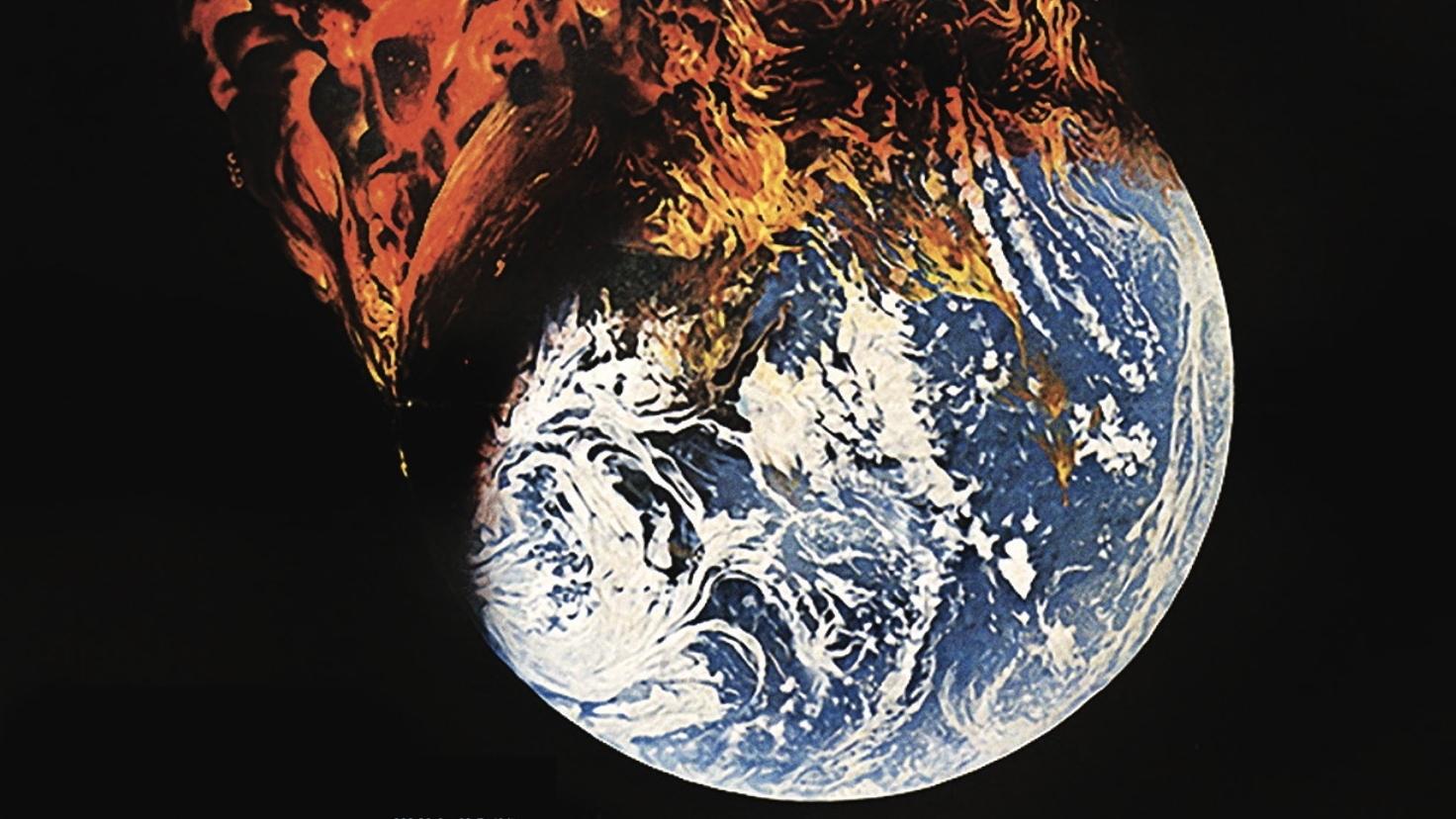
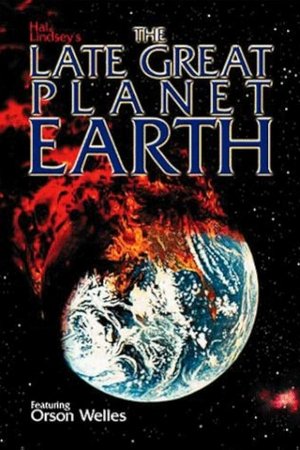


The Late, Great Planet Earth is the title of a best-selling 1970 book co-authored by Hal Lindsey and Carole C. Carlson, and first published by Zondervan. The book was adapted in 1979 into a movie. The Late, Great Planet Earth is a treatment of literalist, premillennial, dispensational eschatology. As such, it compared end-time prophecies in the Bible with then-current events in an attempt to broadly predict future scenarios leading to the rapture of believers before the tribulation and Second Coming of Christ to establish his thousand-year (i.e. millennial) Kingdom on Earth.
The tale of two friends spans three films and gives wonderful representation for young girls everywhere.
The cancelling of these series is being blamed on the writers' strike and low viewership, but it's just the latest example of the industry's lack of appreciation for stories about queer women.
A direct fall into the white savior narrative
This is a film that is going to leave some people bored, and some people thrilled.
Netflix’s new rom-com, Voicemails for Isabelle (dir. Leah McKendrick), isn’t just heartwarming, funny, and an achievement in female directing - it’s also an instant classic. Following 20-something aspiring baker Jill (Zoey Deutch), Voicemails for Isabelle tells a story of grief, self-discovery, and fateful connections. Ever since her beloved sister Izzy’s (Ciara Bravo) death, Jill has been leaving her hilarious, extremely TMI voicemails about her chaotic love life and miserable day job as a prep cook. Little does she know that a handsome and unsatisfied real estate agent in her hometown has inherited the number and practically fallen in love with her by listening to her stories.