‘My Big Fat Greek Wedding 3’ Is A VICTORY For Queer Representation
'My Big Fat Greek Wedding' is a franchise built on inclusive storytelling.



The film recounts the love story of Amit Ray, a barrister educated at Oxford, whose virulent intellectualism reveals itself in its opposition to all forms of tradition. He meets Labanya in a car accident and the romance builds up in the misty hills of Shillong. The iconoclastic Amit clashes with the sincerely simple Labanya. Labanya releases Amit's own submerged depth of sincerity, which he finds hard to adjust to. The struggle makes him a curiously pathetic figure. The tragedy is understood by the girl who releases him from his troth and disappears from his life.
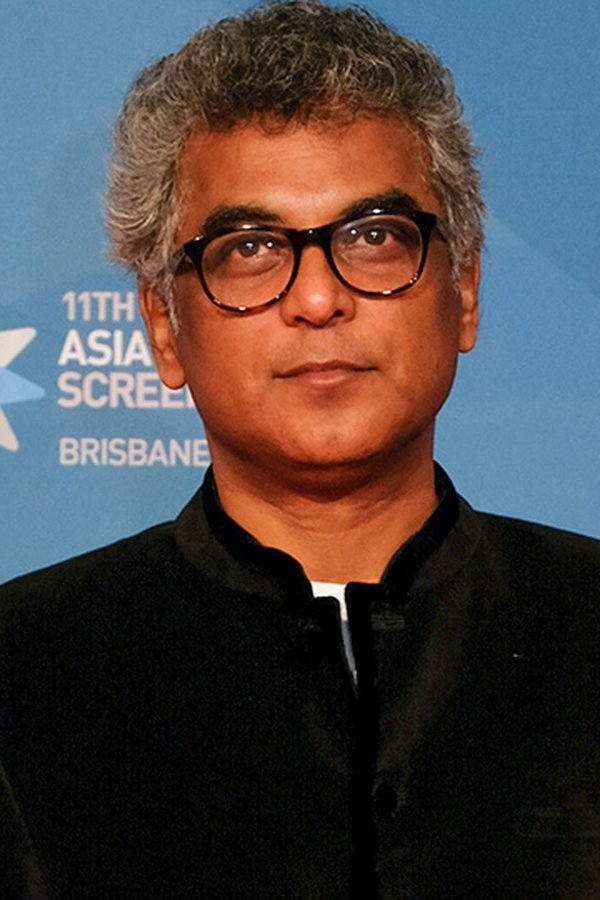
Suman Mukhopadhyay
Director

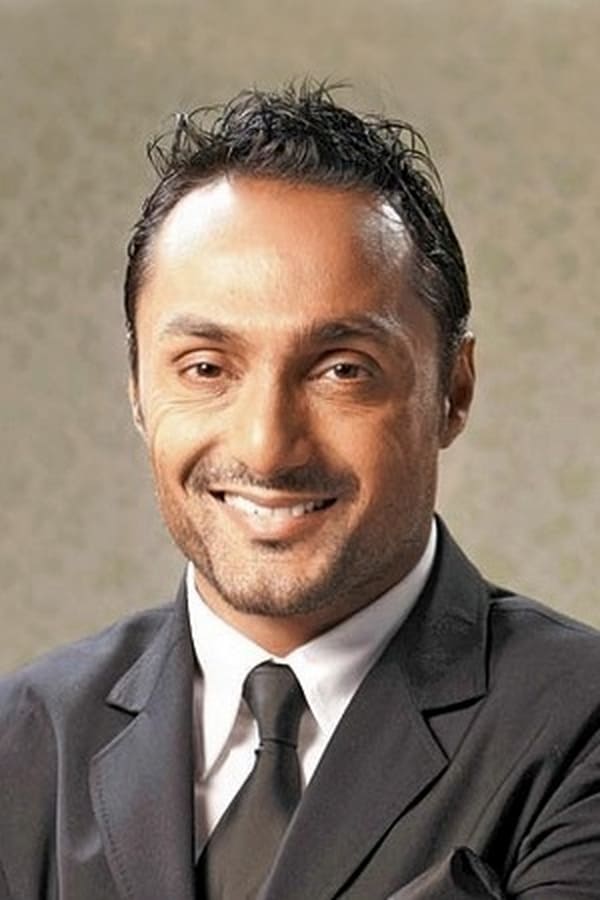
Rahul Bose
Amit

Konkona Sen Sharma
Labanya
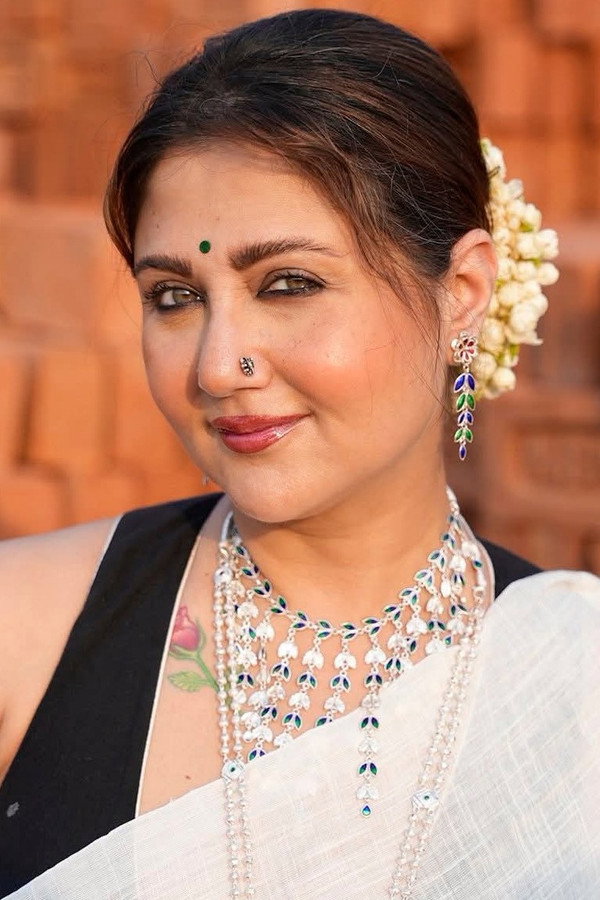
Swastika Mukherjee
Ketaki
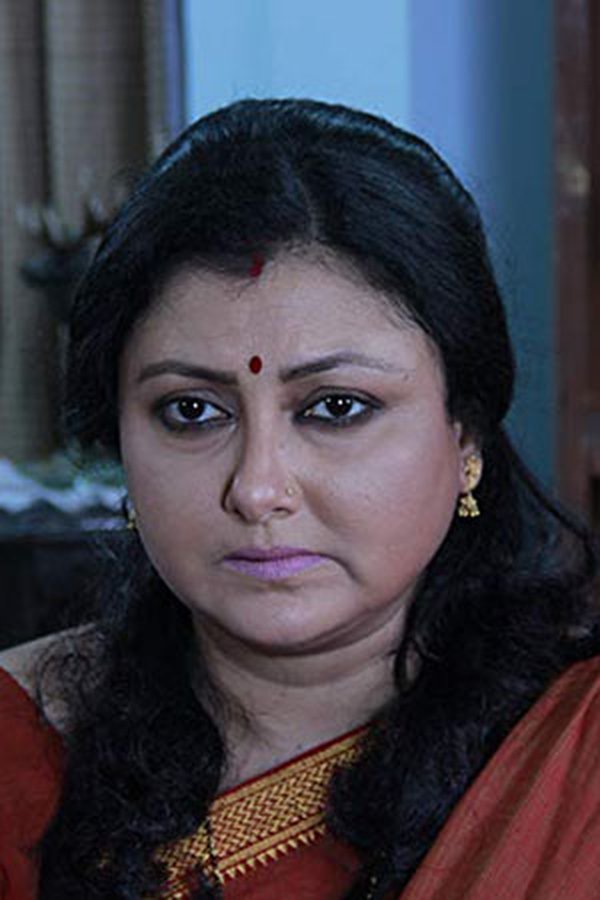
Tulika Basu
Jogomaya
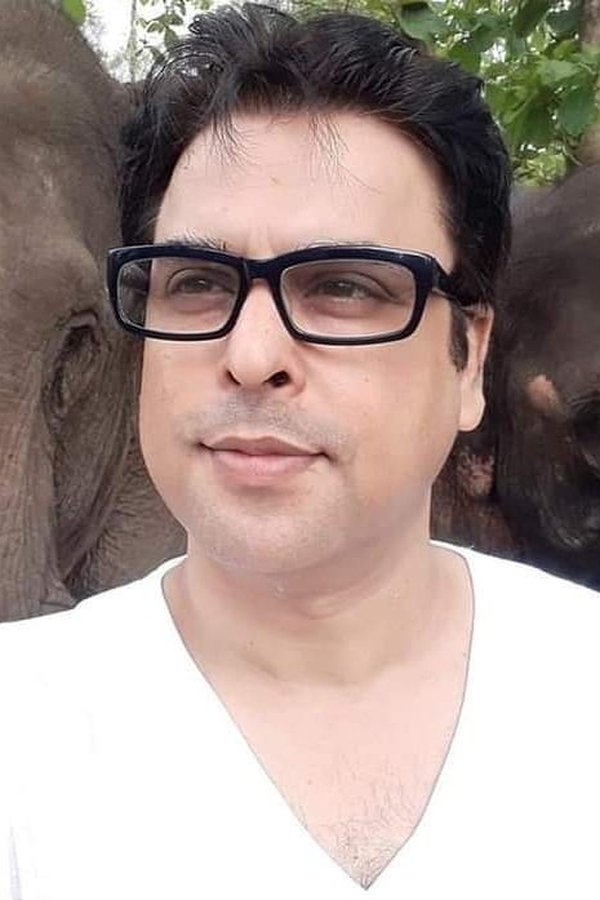
Debdut Ghosh
Sovonlal
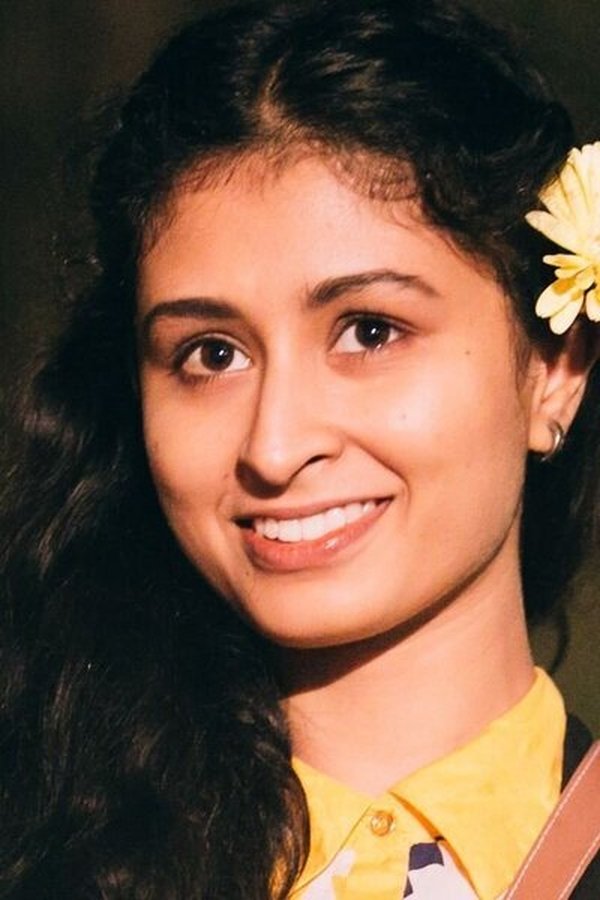
Chitrangada Satarupa
Samita AKA Cissie

Rana Basu Thakur
Kumar
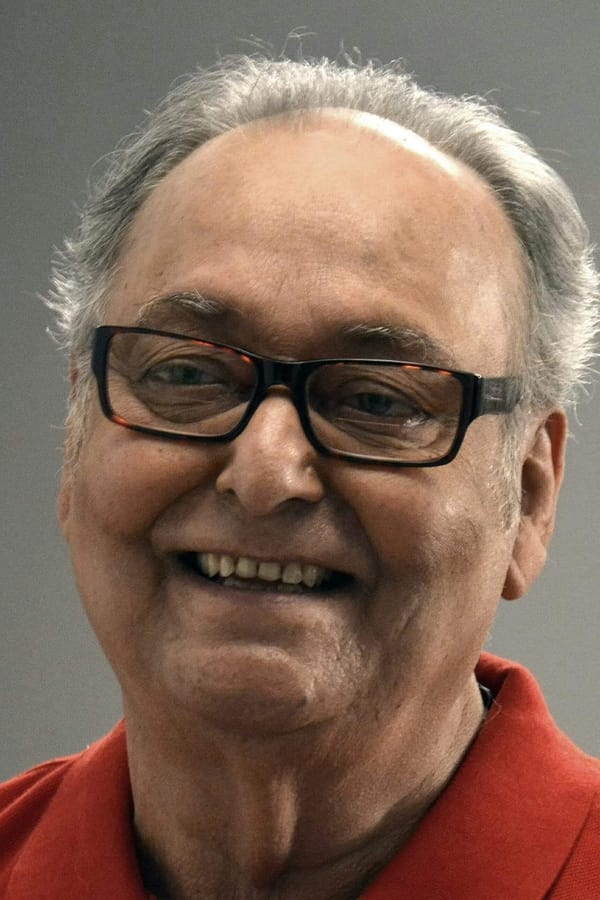
Soumitra Chatterjee
Voice narrator
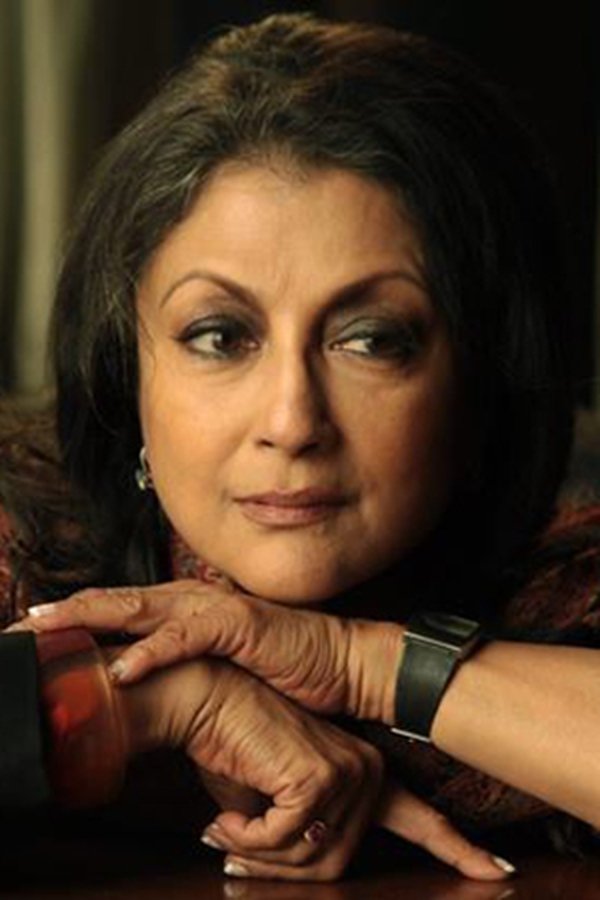
Aparna Sen
Voice narrator female
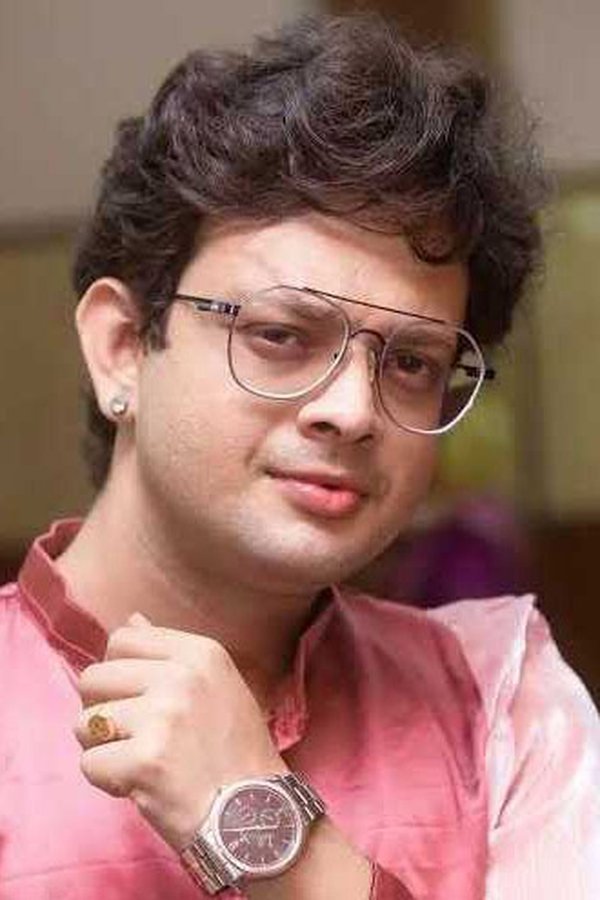
Arindya Banerjee
Jyoti Shankar
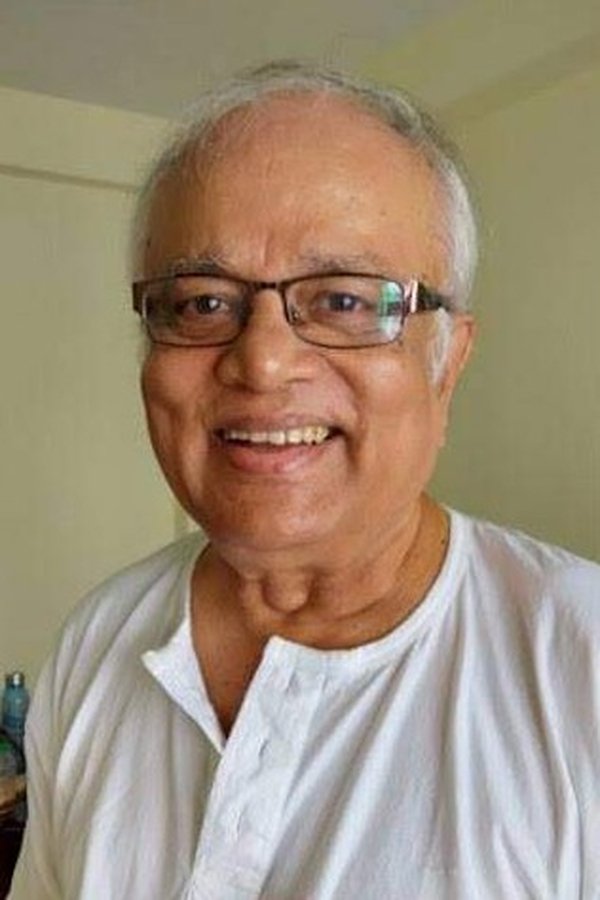
Pradip Chakrabarti
Labanya's father
'My Big Fat Greek Wedding' is a franchise built on inclusive storytelling.
Where is Lilo's face? Disney marketing sends a chilling signal: that even in 2025, an alien is more palatable and marketable than a brown girl.
The social issues The Half of it takes on are handled well, between the antagonization brought on to Ellie for her race and the conflict that arises from her being gay. Both aspects of her character are built up over the course of the film and don’t seem abrupt or rushed. The film shows racism towards Ellie and her and father in varying levels, from having her schoolmates specifically address her as "Chinese girl” to the fore mentioned way her Dad is treated due to language barriers. The same can be said about Ellie being a lesbian. While she never truly “comes out” in the narrative, that does not undermine her journey of self-discovery from being meaningful. These ideas aren’t thrust upon the viewer in a preachy manor, the scenarios that occur feel believable given the rural setting. The film presents watchers with problems whom those like Ellie may face, and leaves us to sit with them and reflect.
Spiral could easily spawn new sequels and will most likely churn a decent profit. Is it a good Saw film? Absolutely. Could it have been revolutionary though? Also yes.
Starring Jake Gyllenhall and Yahya Abdul-Mateen II, 'Ambulance' is a film not only about a bank heist gone wrong, but also about brotherhood.
One of THE most frustrating trends in the mainstream film industry over the last several decades has been the onset of comedy efforts that seem SO focused on being crude and/or gross-out in all ways possible. That, at least for me, makes them no longer funny.