









Incluvie – Better diversity in movies.
Identity in film with Incluvie stamps, scores, reviews.

Incluvie – Better diversity in movies.
Explore identity in film with Incluvie stamps, scores, reviews, and insights.

trailer banner
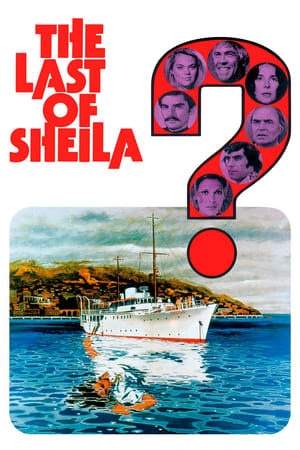
The Last of Sheila poster

The Last of Sheila (1973)

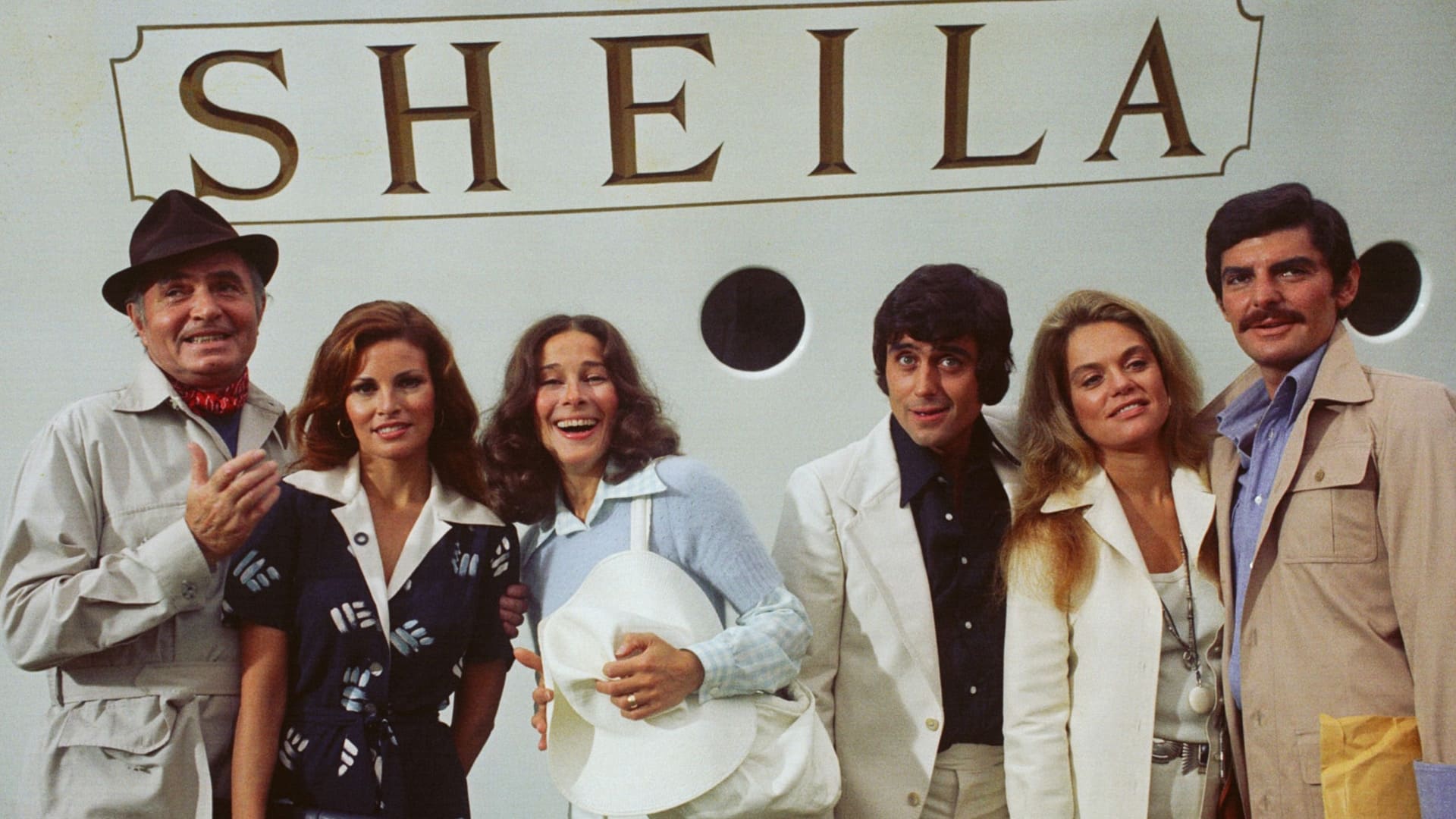
A year after Sheila is killed in a hit-and-run, her multimillionaire husband invites a group of friends to spend a week on his yacht playing a scavenger hunt-style mystery game—but the game turns out to be all too real and all too deadly.
- / 5
PopScore
Representation

Pictures and Videos


Incluvie Gala

Movie Information


A year after Sheila is killed in a hit-and-run, her multimillionaire husband invites a group of friends to spend a week on his yacht playing a scavenger hunt-style mystery game—but the game turns out to be all too real and all too deadly.

Rating:PG
Genre:Crime, Mystery, Thriller
Directed By:Herbert Ross
Written By:Anthony Perkins, Stephen Sondheim
In Theaters:6/14/1973
Box Office:$2,200,000
Runtime:120 minutes
Studio:Warner Bros. Pictures

Articles You May Like


The Rise of a Kindhearted Comedy Hero: The Anti-Toxic Masculinity Message of Brendan Fraser Films

Throughout Brendan Fraser’s career, he has played a plethora of unique, layered characters who explore the importance of not being afraid to display your emotions, something that is often seen to not be a masculine trait. This idea of regulating emotion and what traits men are able to possess creates a toxic atmosphere for men who are often told they should not cry or represent their emotions in any physical way. These characters represent that men can be joyful, emotionally conscious, and sensitive, while also representing their masculine identity instead of painting those qualities as fighting against their masculinity.

Amanda Mazzillo

"The Roses" (2025) Film Review-Marital dysfunction offers plenty of hubris AND humor this time around

Remakes. Reboots. Reinventions. Redundancy. It's the common practice in Hollywood of late, sometimes offering us victorious reimagining of what can be considered cinematic classics while also, more often, falling flat on their UN-imaginative faces in utter defeat and lackluster results. Admittedly, with this in mind, I went into the newest incarnation of "The War of the Roses" with typical trepidation and cautious optimism.

Kirk Fernwood