


Growing Fangs: How "Ginger Snaps" Ties Puberty to Werewolves
John Fawcett’s "Ginger Snaps" intertwines the lore of the werewolf to the hellish experience of a young girl going through puberty.
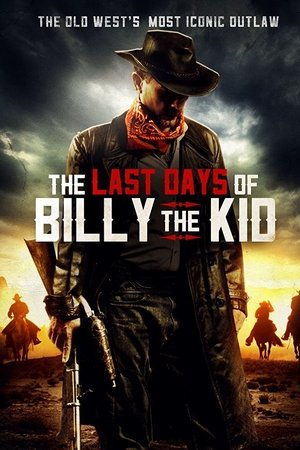


This motion picture chronicles the last days of the most iconic outlaw of the old west. Forget what you have heard before (most of that is rumors anyway) and ride with Billy the Kid as he tries to find sanctuary in a desperate landscape. The high price on his head has made Billy an evasive target for bounty hunters from all over the old west, and Billy knows that every time he rides out, he has a chance of getting bushwhacked. Unlike any other account of the Billy the Kid saga, "The Last Days of Billy the Kid" captures the fury, paranoia and heartbreak that defined the last days of the gunslinger's existence.
John Fawcett’s "Ginger Snaps" intertwines the lore of the werewolf to the hellish experience of a young girl going through puberty.
Hanna Bergholm's 'Hatching' shows us that the modern version of the cardboard world trope is social media.
Overall, Sand Castle was another lack luster war drama that will eventually fade into the many similar war dramas I have seen throughout my life.
The biggest highlight of the film is easily the performance of Andrew Garfield. In his days since hanging up his Spiderman suit, Garfield has routinely churned out great performances, and Mainstream is no exception. He proves that he is willing to try anything and go anywhere in a character.
Remember when there was this amazing comedy titled "National Lampoon's Vacation"? To this day, it is a true classic of the genre and certainly put a new spin on precisely what KINDS of insanity could occur when taking the fam on the road. Then, like with so many successful films, there was the sequel (which for me was even MORE of a classic than the original!). However, the third film emerged....and then a fourth. Suddenly, the luster was gone and disappointment set in.
Sorry to Bother You ultimately speaks to the unfair advantages that the country’s power structures award to those with the resources to control others, as Lift’s easy access to the media allows his opinion to be the only one that matters in the eyes of the unsuspecting and easily impressed public. Moreover, it reveals the extent to which the American Dream has any true validity. It postulates how the promise of success and fulfillment as promoted by the American Dream more often than not leads to the undoing of the individual. Interestingly, in its revealing of the American Dream as merely a facade, Sorry to Bother You wisely questions whether or not anything can really be done to undo a system that has been accepted and in action for centuries.