









'Phantom Pups' - A Series for Dog Lovers
This Netflix original series is for animal lovers and fans of light horror series.
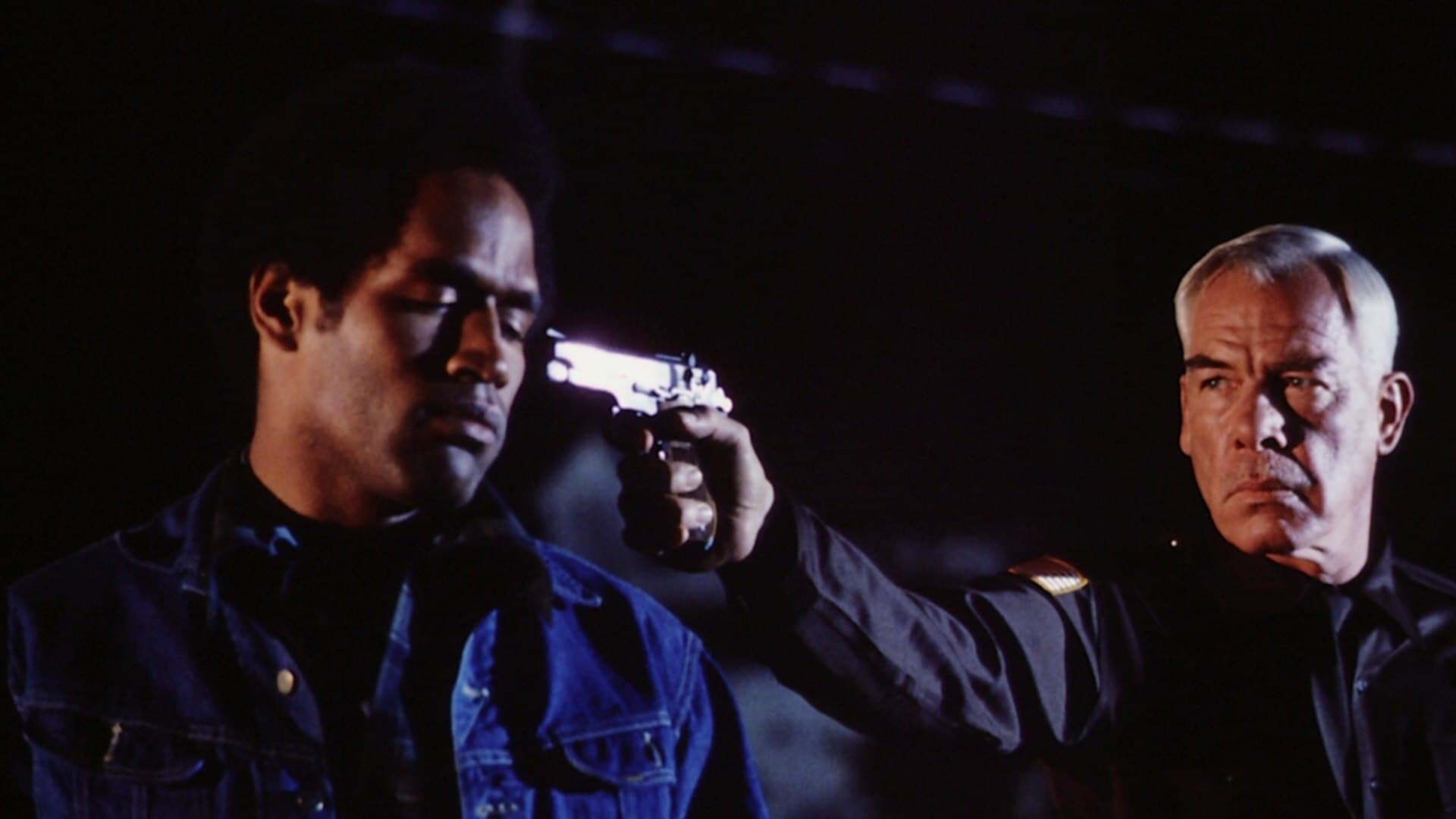



A small southern town has just been rocked by a tragedy: a young white woman has been raped by a black man. When young black man Garth witnesses the Ku Klux Klan's violent retaliation against his innocent friend, Garth declares a one-man war on the Klan and hunts them down one-by-one.
This Netflix original series is for animal lovers and fans of light horror series.
A fun-loving story focused on surviving middle school and tailor-made for its target audience. "The Diary of a Wimpy Kid" follows the paradox of finding true friendship and securing popularity no matter what it takes.
Despite the film’s efforts to reframe its heroine with modern complexity, a certain emotional distance lingers.
Marvel’s first Asian superhero film, 'Shang-Chi', deserves praise for balancing epic superhero action, a heartfelt family plot, and positive Asian representation.
Everyone needs a BFF and a "wing person" like Yumi (Chloris Li). Li brings the "straight person" persona, literally and figuratively balancing James Aaron Oh's perfectly timed comedic delivery as the unlucky-in-love.