




‘Dog Lover’ Review: Strange and Generic But Witty For the Fetish Community
We all have our kinks and fetishes and what turns us on the most. Dog Lover details a serious (and at times unhealthy) look at a fetish that might go a little too far.
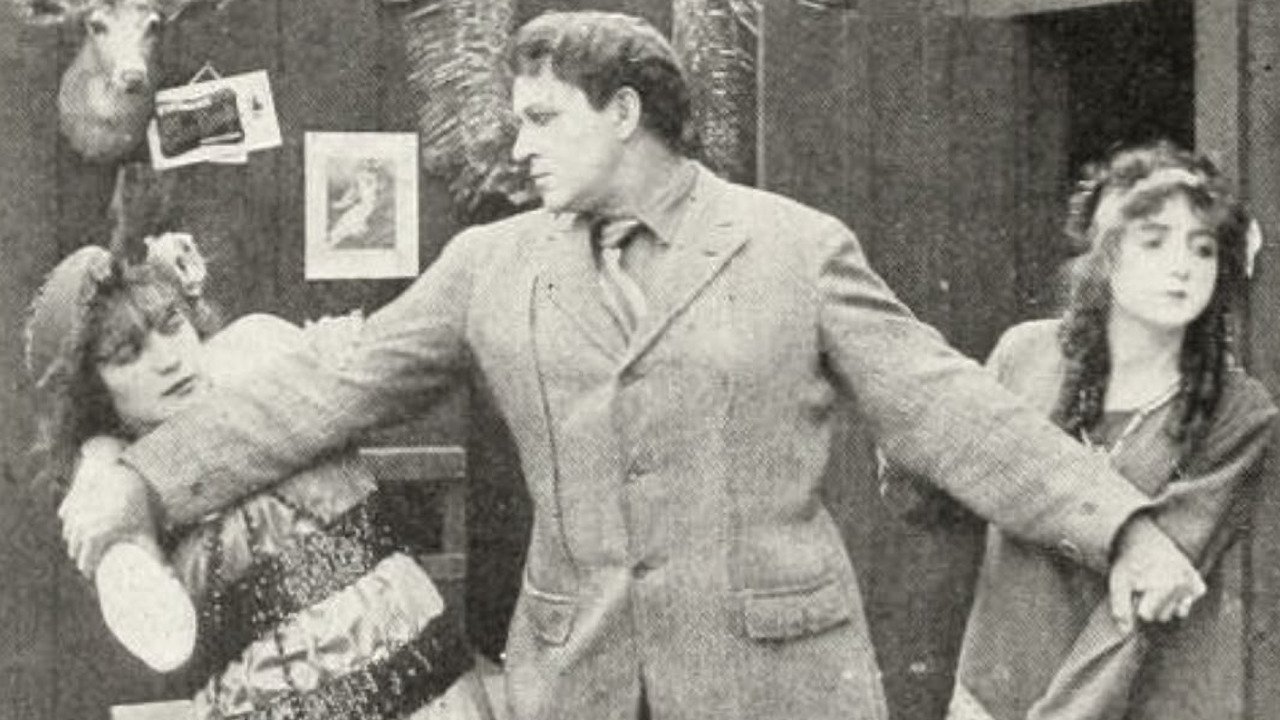
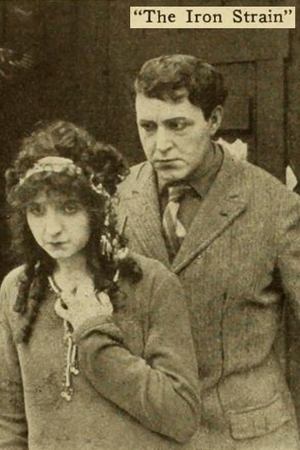


The story is set in Alaska, where spoiled and pampered heiress Octavia Van Ness has come for her health. Here she meets 'Chuck' Hemingway, who despite his rough exterior is likewise a child of wealth, and a Yale graduate to boot. When Van Ness violently rejects his romantic overtures, Hemingway turns to an old Indian chum for advice. The Indian suggests rather chauvinistically that the way to win a headstrong girl is to "tame" her -- that is, treat 'er rough and make 'er like it.
We all have our kinks and fetishes and what turns us on the most. Dog Lover details a serious (and at times unhealthy) look at a fetish that might go a little too far.
Between its problematic nature, its lack of originality, and the senselessness of its violence, Onslaught cannot be recommended in good faith.
The second entry of the Five Nights at Freddy’s series released recently, garnering very divisive reviews amongst both fans and critics.
Han's turn to villainy in 'Frozen' was foreshadowed cleverly in the story.
Queen & Slim is a nice example of representation in both cast and crew
I love The Last Jedi. I don’t think there has been a Star Wars movie in quite some time that brought something new, something fresh to the table.