“I’m a newspaperman!”: Howard Hawks softened a political satire into a proto-feminist romcom
"His Girl Friday" set the bar for romcoms and gave us a feminist heroine before feminism was cool.




Julien Villandrit is the owner of the estate of Les Basses-Bruyères and its textile factory, where the manager is his childhood friend Corradin. Julien marries his neighbour Régine, unaware that Corradin also loves her. Julien is sent to gaol for a murder actually committed by Corradin. The only witness to the truth is the woodsman Rudeberg and Corradin buys his silence by paying for the education of his son Pascal. Julien's struggle to clear his name and to rescue Régine and their daughter Christiane from Corradin's scheming extends over many years and faces many setbacks.

Alexandre Volkoff
Director

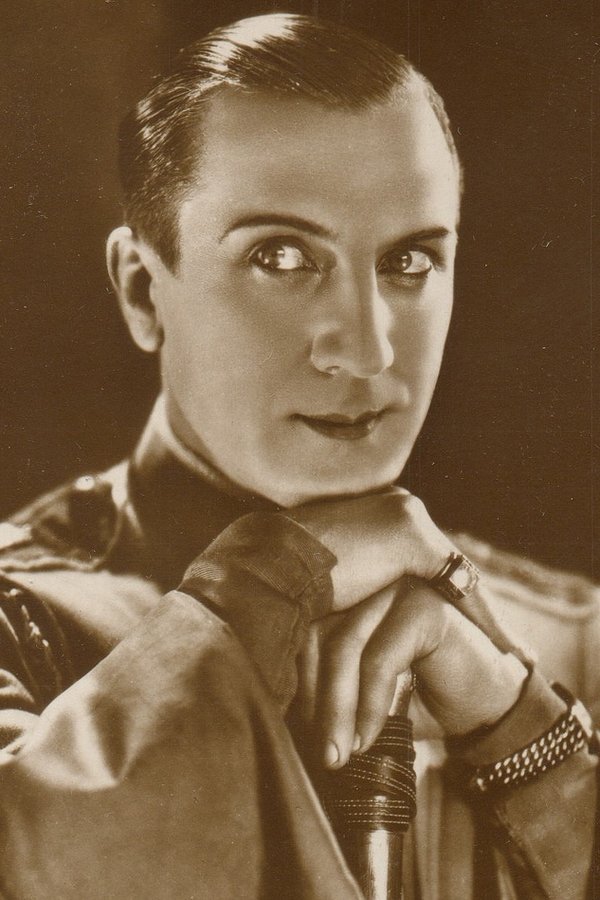
Ivan Mosjoukine
Julien Villandrit
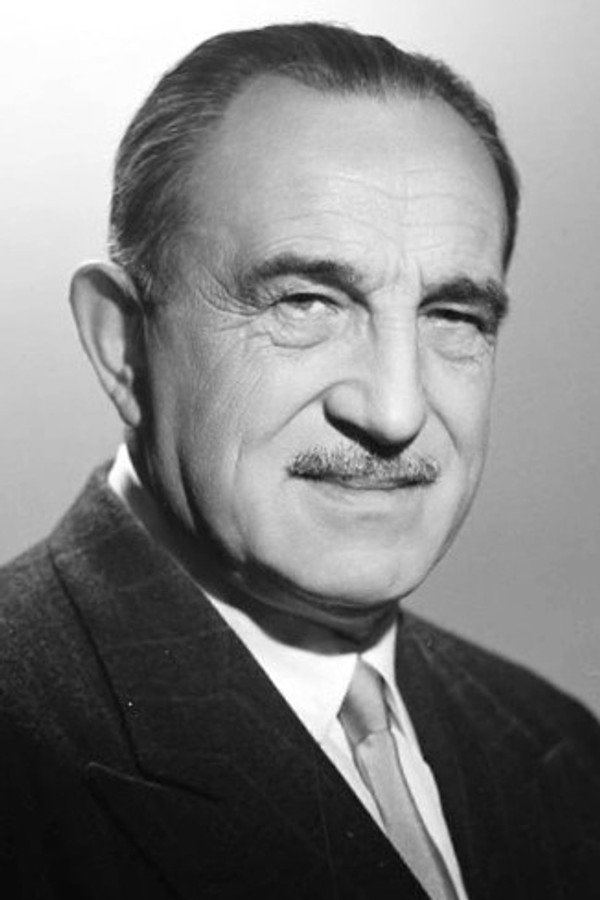
Charles Vanel
Henri Corradin

Hélène Darly
Régine de Bettigny

Francine Mussey
Christiane
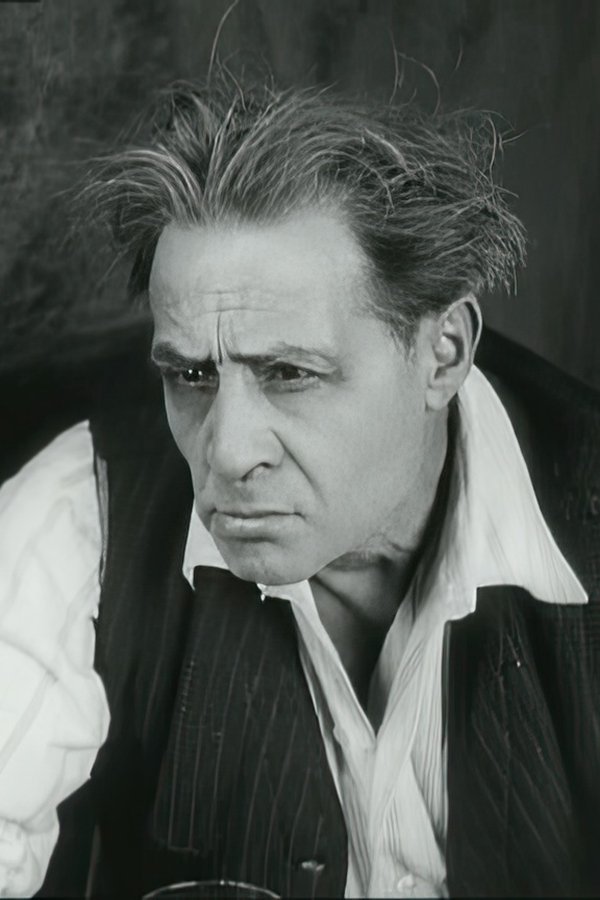
Claude Benedict
Général de Bettigny
Gilbert Dacheux
Urbain
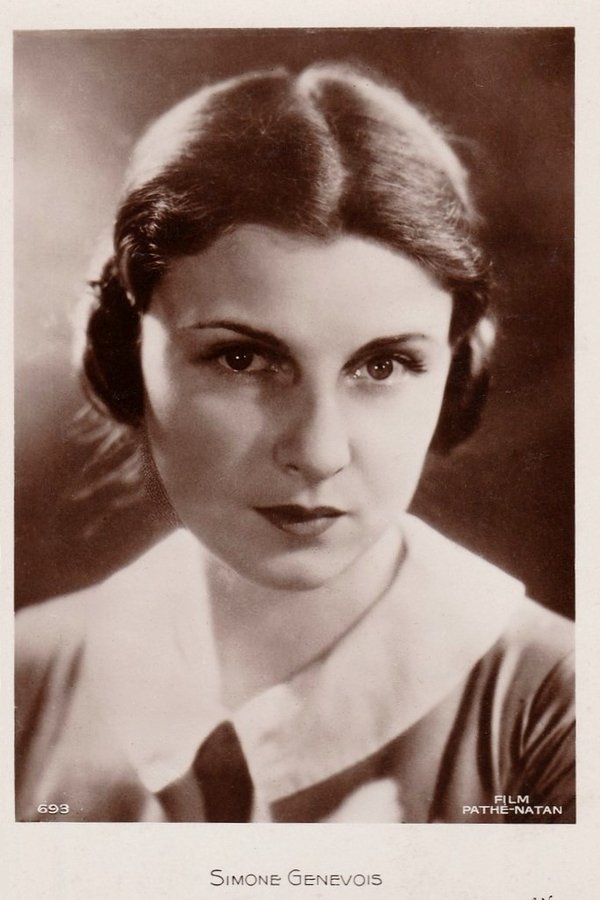
Simone Genevois
Christiane enfant
Sylvia Gray
Marjorie

Fabien Haziza
Pascal enfant
Pierre Hot
Il sostituto
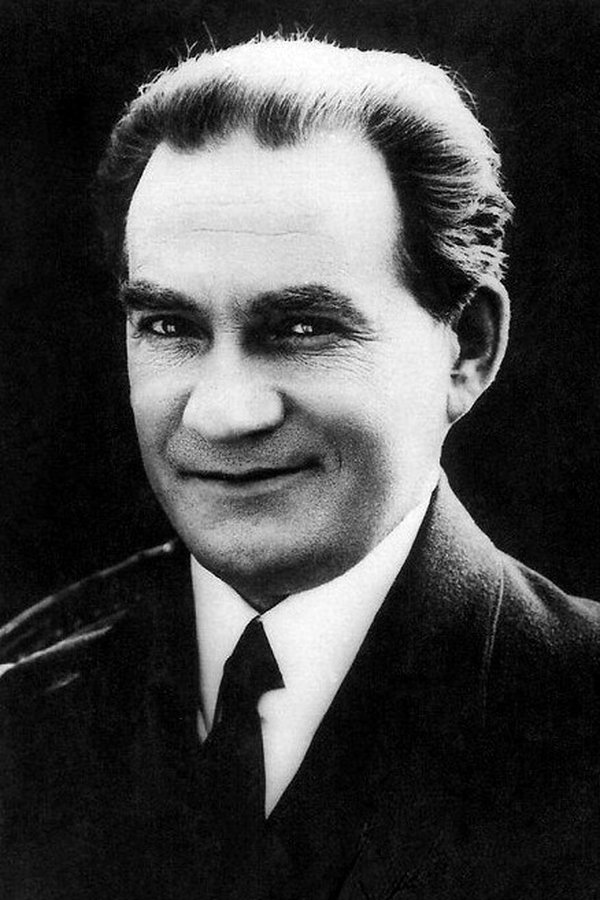
Nicolas Koline
Rudeberg
"His Girl Friday" set the bar for romcoms and gave us a feminist heroine before feminism was cool.
"WHAT ARE YOU WILLING TO SACRIFICE?!!!!" "EVERYTHING!!!!!" This is but one of a multitude of highly emphatic questions, and subsequent answers, being asked in the newest feature film from one of the current masters of horror, Jordan Peele ("Get Out", "Us" and "Nope"). I must give Peele credit in that he continues to push the boundaries of specific genres and their associated tropes in order to provide what ends up amounting to subtly then jarringly intense, yet still character and story-driven, cinema that speaks more to indie stylings than mainstream.
Striving for validation. Let’s be frank….we ALL want to be successful. Whatever we put our efforts into, ideally it is to make it culminate in the best possible results across the board, especially when it comes to what career path we are pursuing. We WANT to excel, to shine, to advance, to be acknowledged. AND…let’s hope that we also wish to better everyone around us to boot. However, what occurs when those whom we initially put our trust in suddenly become a burden instead of a boon? Do we falter under the weight of rejection? Or STAND UP for WHO WE ARE?
A pop star at Radio City Music Hall gets the opportunity to change herself to save her music career.
It took writers D.B Weiss and David Benioff two years to give us a promising final season. Two. Years. It was just going to be six episodes, which was short considering that all the other seasons — except season 7 — were 10 episodes. 10. 6 wasn’t enough, and even HBO wanted to give the writers more episodes. More seasons, even. However, the writers wanted to get out of the show as quickly as possible to work on other projects. This abruptness is clearly shown in this season.