"A man has got to see his face." Horror Noire: A History of Black Horror
This documentary moves chronologically through Black representation in horror films, revealing the genre's connections to Black history.

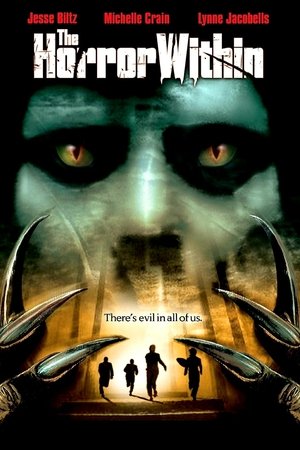
The students of a college film class make an erotic horror film at a vacant mansion owned by the director's father. And we bet you can guess what happens next! Naturally, they soon discover an ancient horror, and one by one, these wanna-be filmmakers fall victim to ageless vampires and their thirst for blood. Soon, most become monsters themselves and start "sampling" the others.
This documentary moves chronologically through Black representation in horror films, revealing the genre's connections to Black history.
Him is visually stunning—all concrete cathedrals and bone-rattling impact shots that look like a nightmare highlight reel. Marlon Wayans is magnetic as this legendary quarterback who's basically selling salvation with a smile that never quite reaches his eyes. But the story keeps running in circles: more tests, more cryptic pep talks, more ritualistic drills. The sports-as-religion metaphor beats you over the head when subtlety would've been more effective. The middle drags, and that finale chooses spectacle over substance. It's undeniably stylish, but left me cold. Also worth noting: despite the Monkeypaw connection, this isn't actually a Jordan Peele film—he didn't write or direct.
If a movie about a strange and crazy day is commercially successful, why not recycle it and double the kookiness quotient? That seems to be the logic behind this followup to Freaky Friday.
If you want to feel the rush, you have to take the risk.
When you think of the horror genre, the LGBTQ+ community is probably one of the last things you think of. However, horror is much more queer-coded than you may think.
The film reminds us to remember the people who had the courage and dignity that had made the world better, even when the memory was absent.