



What We Do in the Shadows (of Our Closet Walls)
There’s enough evidence to insinuate that What We Do in the Shadows is intentionally queer-coded.
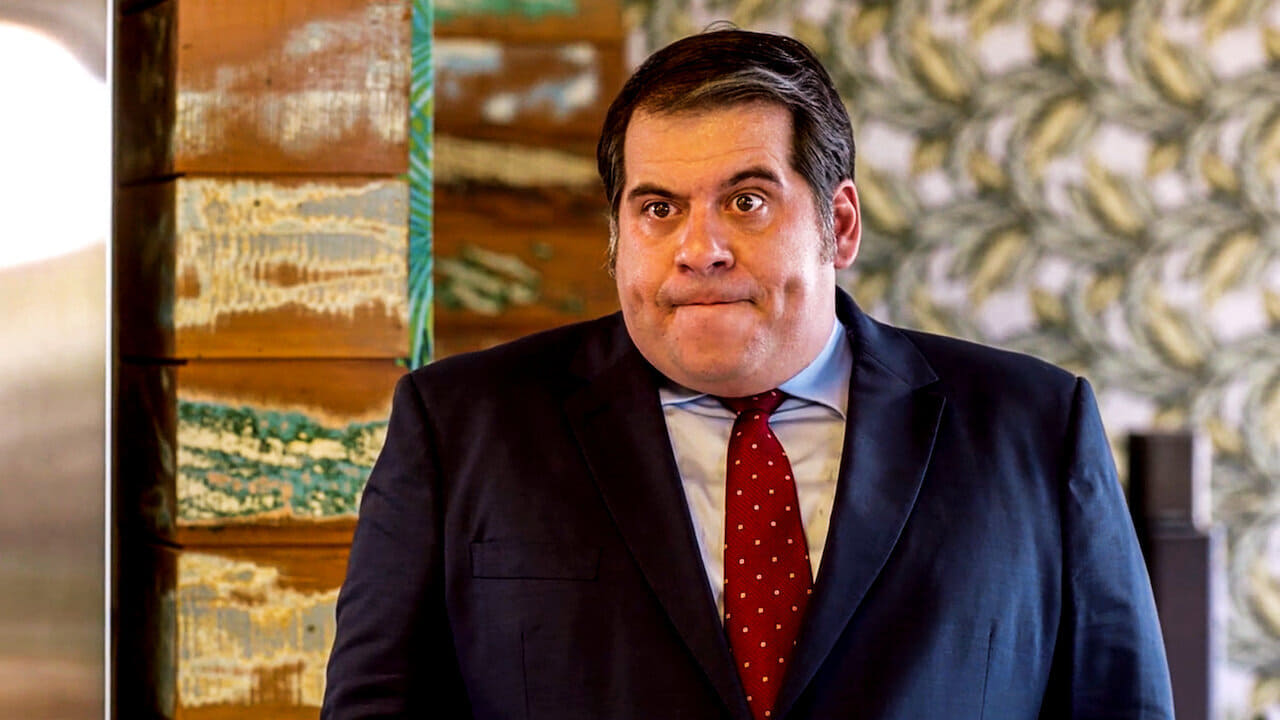



João Ernesto Ribamar is a corrupt politician running for the presidency. He is in the runoff election, ahead on the polls, when he receives a "mandinga" (curse) from his grandmother, which makes him unable to lie. Now the problem begins: How to win an election by telling only the truth?
There’s enough evidence to insinuate that What We Do in the Shadows is intentionally queer-coded.
This delightfully odd horror movie presents a whimsically strange alternate reality to younger audiences.
It is a truth universally acknowledged that a single woman will be happiest if she marries a man with a good fortune, similar upbringing, matching attractiveness levels, and compatible politics.
“Unsung” does not begin to describe the obscurity Bayard Rustin endured in the shadows of the Civil Rights Movement
In the film adaptation, director Jon M. Chu turns each musical number into a massive show stopper, with grand set pieces and a wealth of diverse dancers. Yet, in this attempt to show reverence for the people of the Washington Heights barrio, Chu, or maybe more specifically those in charge of casting, left out a crucial part of the community, Afro-Latinos.