






Once Upon a Time in (White) Hollywood
Tarantino's alternative history of the 1960's uncritically repeats the era's sexist and racist stereotypes.
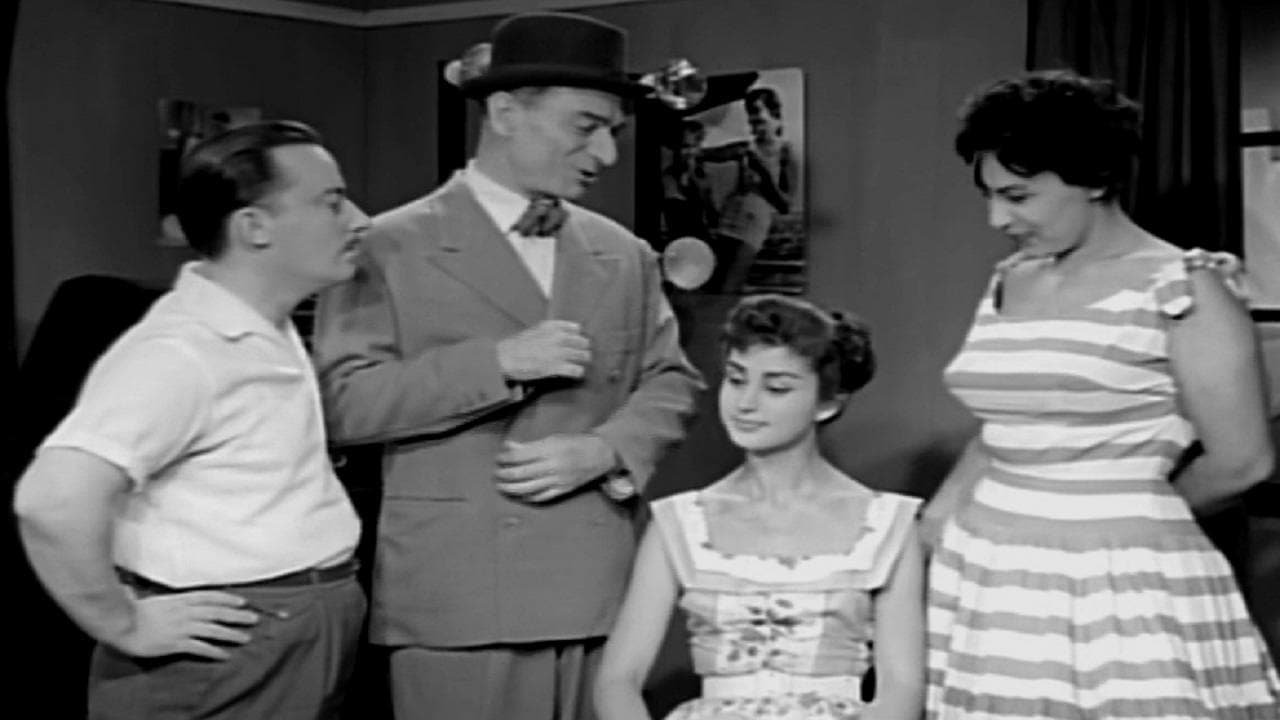
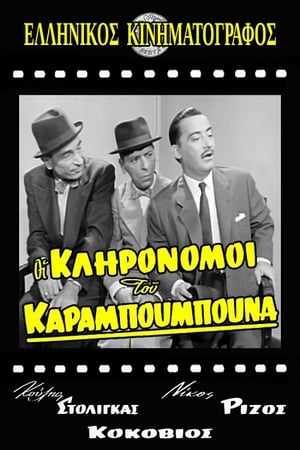


A notary calls in the office three brothers: Theophrastus, Telis and Kokkovio Karampoumpouna and announces the death of their distant uncle from Chicago, who left their legacy sixty thousand US dollars, provided to start a company together. Telis, the most intelligent, has its own photography and aims, with the help of his fiancée Bubi, eat whole heritage. Two friends Bubi, Mirka and Jenny, are employed, diplaronoun naive and the plan seems to be going well.
Tarantino's alternative history of the 1960's uncritically repeats the era's sexist and racist stereotypes.
It’s no wonder Peele won an academy Award for Best Original Screenplay. His script is layered with perspective and subtlety. Through a terrific vision, Peele creates the gift that keeps on giving. The clues and symbolic representations are aplenty, and as each viewing passes, you are destined to find something new. That’s a mark of great cinema.
This film manages to be simultaneously topical and timeless. Without being preachy, it highlights society’s flawed relationship with tech; insights into the complex ideas of family struggle are expertly dispersed among a perfectly paced and balanced story.
What seems like such a simple story of survival is so much more than that—it’s a story of family, and of war, and of destruction. It’s painful to watch, but not in a bad way. It makes its audience reflect on their own actions, and in how they are complicit in the sufferings of others as the adults in this film are. Grave of the Fireflies does not hold back from being heartbreaking, and it shouldn’t. It tells a message that needs to be heard decades after the war, and a story that cannot be forgotten by history.
'Living' dives into many themes that we can all understand regardless of our cultural backgrounds. We can see this through the shared similarities between 'Ikiru' and 'Living'.
I was able to sit down and talk with the director of the short film Dog Lover Anne-Sophie Bine as she discussed and how she came to be in film.