






Trans Allegories in Film: 'Your Name' (2016)
Our protagonists perform as the opposite gender while still preserving the parts of their personalities that makes themselves who they are.
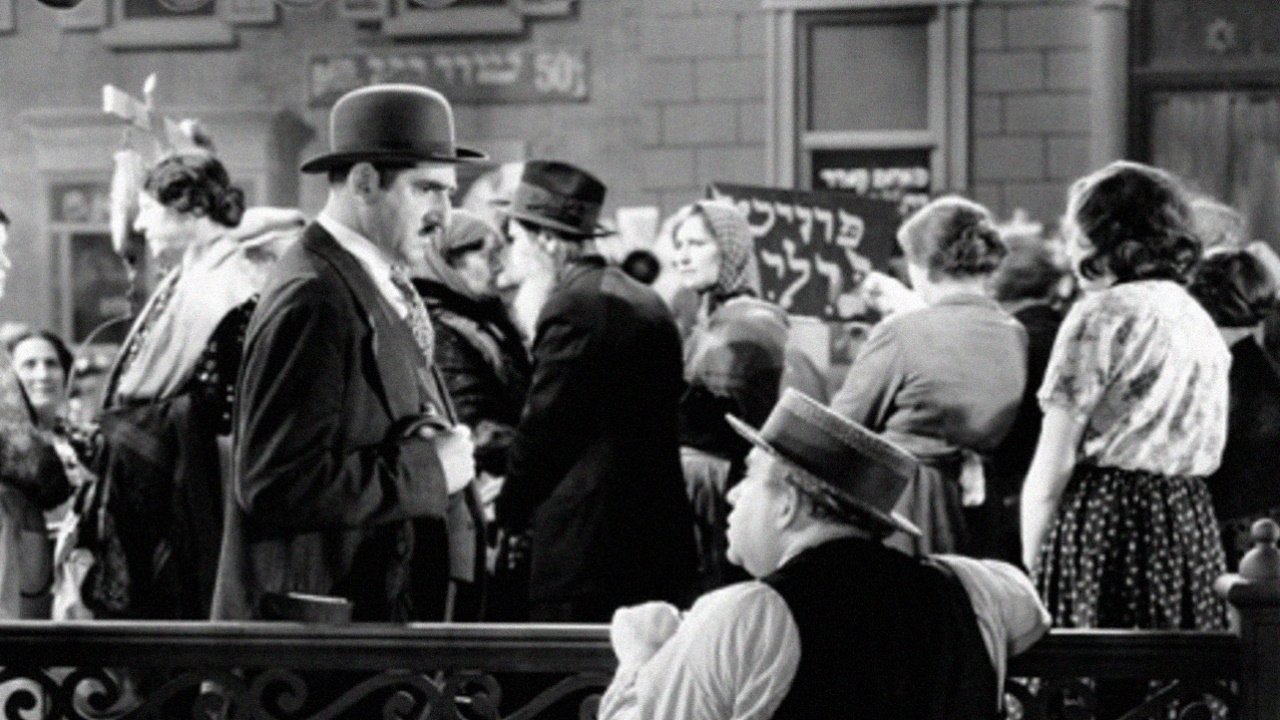



A poor New York plumber's wife and children hope to move "uptown" from their lower East Side neighborhood after he sells his new invention.
Our protagonists perform as the opposite gender while still preserving the parts of their personalities that makes themselves who they are.
The social issues The Half of it takes on are handled well, between the antagonization brought on to Ellie for her race and the conflict that arises from her being gay. Both aspects of her character are built up over the course of the film and don’t seem abrupt or rushed. The film shows racism towards Ellie and her and father in varying levels, from having her schoolmates specifically address her as "Chinese girl” to the fore mentioned way her Dad is treated due to language barriers. The same can be said about Ellie being a lesbian. While she never truly “comes out” in the narrative, that does not undermine her journey of self-discovery from being meaningful. These ideas aren’t thrust upon the viewer in a preachy manor, the scenarios that occur feel believable given the rural setting. The film presents watchers with problems whom those like Ellie may face, and leaves us to sit with them and reflect.
A group of criminal animals tries their best to reform themselves into good citizens to avoid serving time in prison.
Celebrate Pride with these movies and TV shows available on popular streaming services. (Good news: a lot of them are available for free.)
A wondrously imaginative, diverse, and spirited allegory of childhood and the arduousness of adulthood.
The plot could’ve really been interesting if the elements of lycanthropy was integrated with perhaps the struggle of identity of being LGBTQ+. It's an experience for so many that as they’re starting to realizing their true selves, they feel like a monster, especially if they come from unsupportive homes or communities. Instead, the horror and transformation elements seem thrown in without contemplation of how this could deepen the narrative.