









"The World to Come": A Stunning Period Romance
Mona Fastvold’s nineteenth century lesbian romance is emotionally charged, restrained, and poetic without feeling forced.
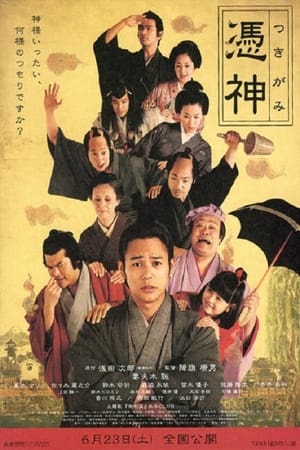


A lowly but academically diligent warrior named Bessho Hikoshiro finds himself unable to move up in the world due to the stifling caste system of the Bakumatsu era. After being expelled from the household into which he was adopted through marriage and separated from his wife and son, he moves in with his disapproving elder brother and his wife. He meets his old class rival Enomoto Takeaki, now a commander of a naval ship, and is later told by a kindly noodle shop owner that Enomoto's rise in social status came about after he prayed at a shrine in Mukojima. Stumbling home drunk one night, Hikoshiro falls down a riverbank and comes across a small run-down shrine which he is convinced is affiliated to the one in Mukojima. Pressing his hands together in prayer, he unwittingly invites the unwanted attentions of the gods of poverty, pestilence and death..
Mona Fastvold’s nineteenth century lesbian romance is emotionally charged, restrained, and poetic without feeling forced.
The film seems like an extreme interpretation of the conspiracy theorists that exist in real life. And then, there’s the twist.
Tran Quoc Bao succeeds in telling us a story about martial arts, human decay, and friendship. The originality shown by his filmmaking is admirable and brings fresh air to the classic Chinese martial arts genre.
The Owl House has swiftly become one of Disney’s beloved cartoon series.
"A Drowning Man" (2017) explores the unseen aspects of the Refugee Crisis. In, 15 far-too-short minutes, viewers are given a detailed snapshot of what it's like for a refugee to drown in the waters of poverty and otherness while trying to navigate a land whose promise has worn off, and only 'strange' remains.
Keep scrolling to find names that should become part of your watchlist!