‘Unknown Origins’: Cool Concept, Poor Execution
Unknown Origins promises a cool spin on superheroes and serial killers, but ultimately delivers cheap comedy.
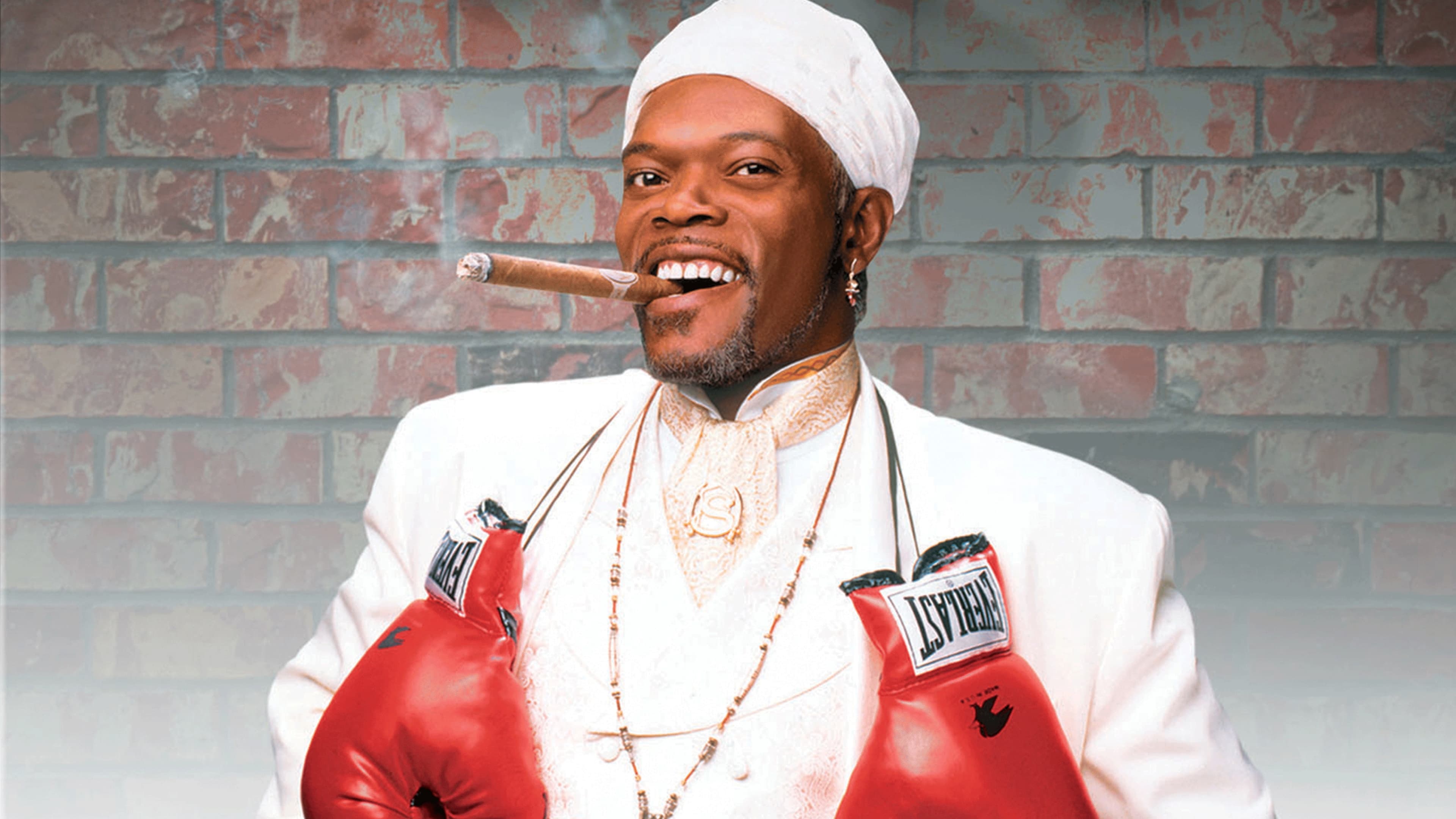
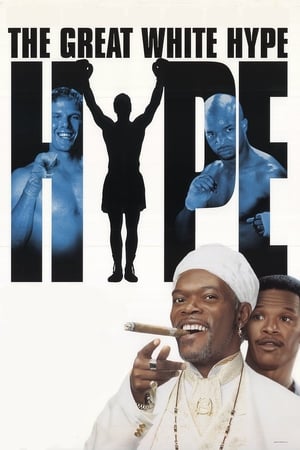


When the champ's promoter, Rev. Sultan, decides something new is needed to boost the marketability of the boxing matches, he searches and finds the only man to ever beat the champ. The problem is that he isn't a boxer anymore and he's white. However, once Rev. Sultan convinces him to fight, he goes into heavy training while the confident champ takes it easy and falls out of shape.
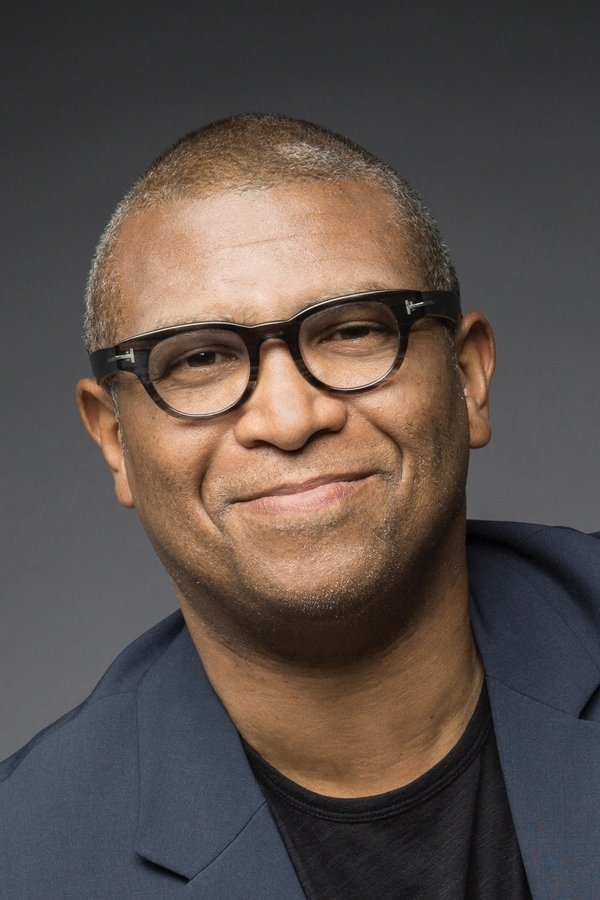
Reginald Hudlin
Director

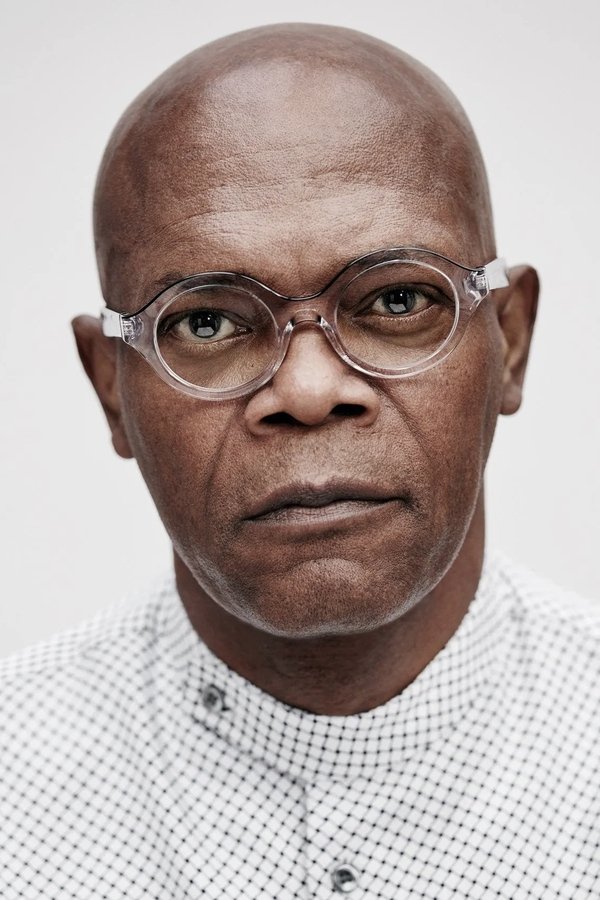
Samuel L. Jackson
Rev. Fred Sultan
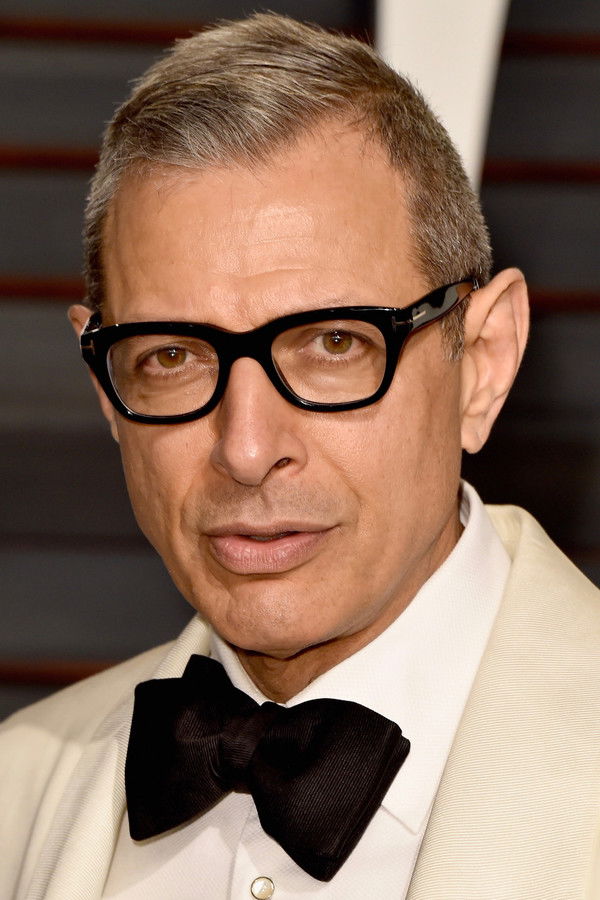
Jeff Goldblum
Mitchell Kane

Peter Berg
Terry Conklin
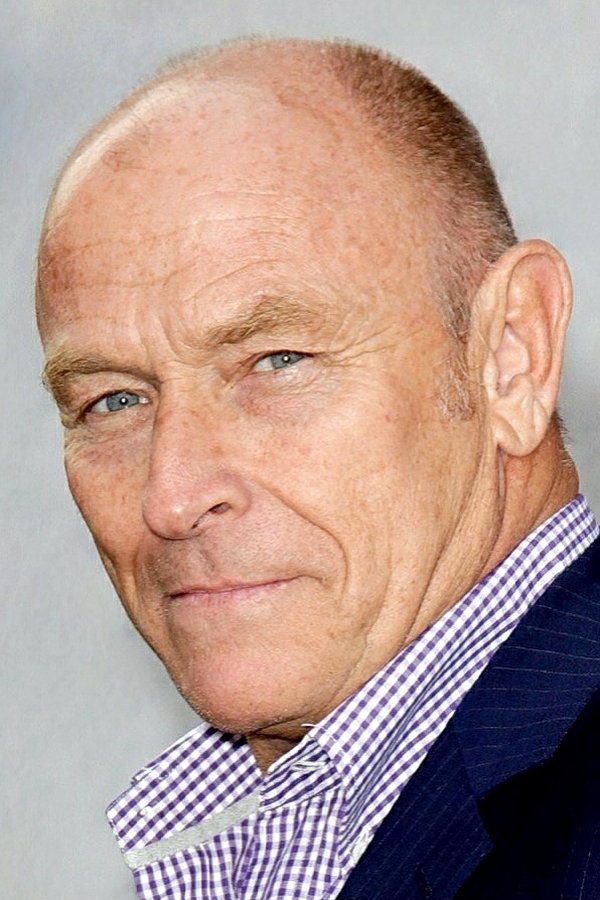
Corbin Bernsen
Peter Prince
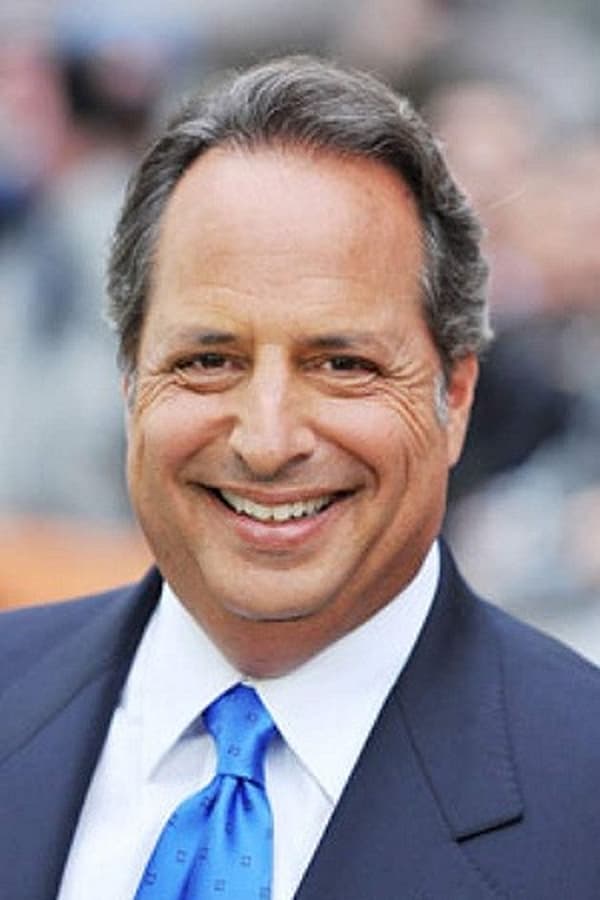
Jon Lovitz
Sol
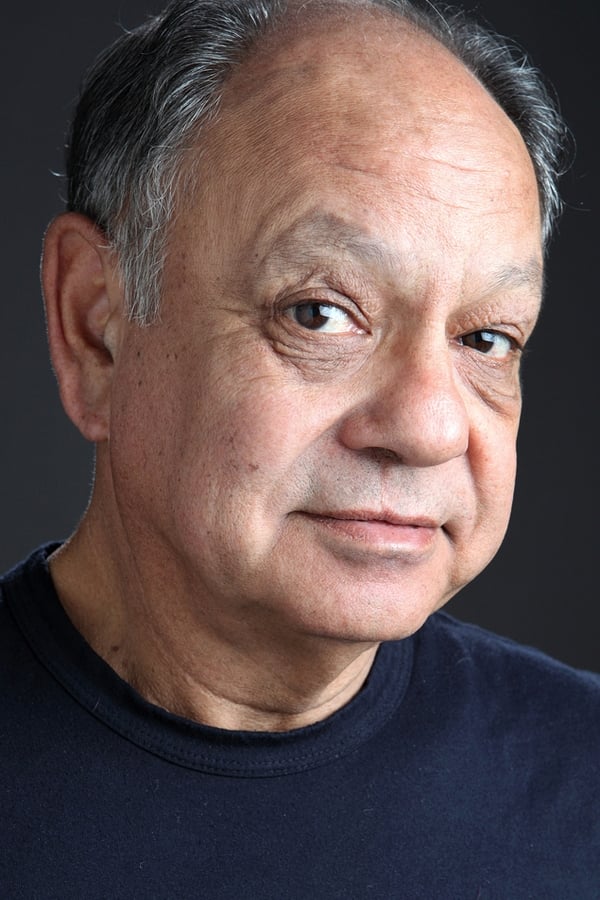
Cheech Marin
Julio Escobar
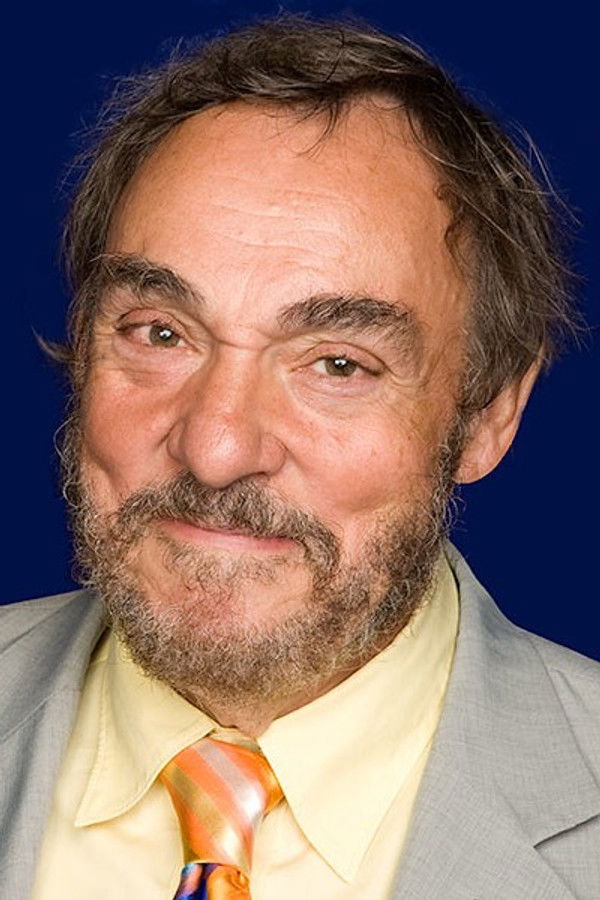
John Rhys-Davies
Johnny Windsor
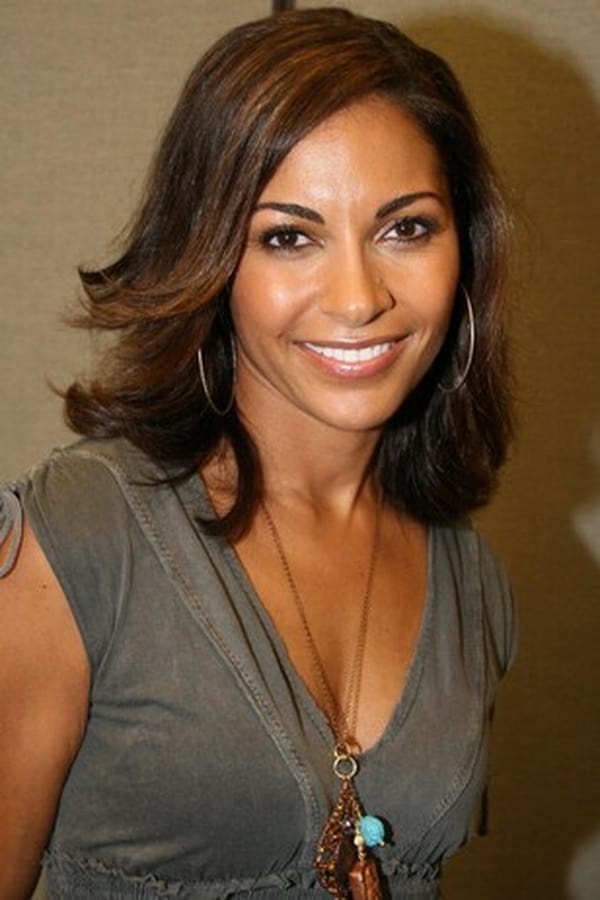
Salli Richardson-Whitfield
Bambi
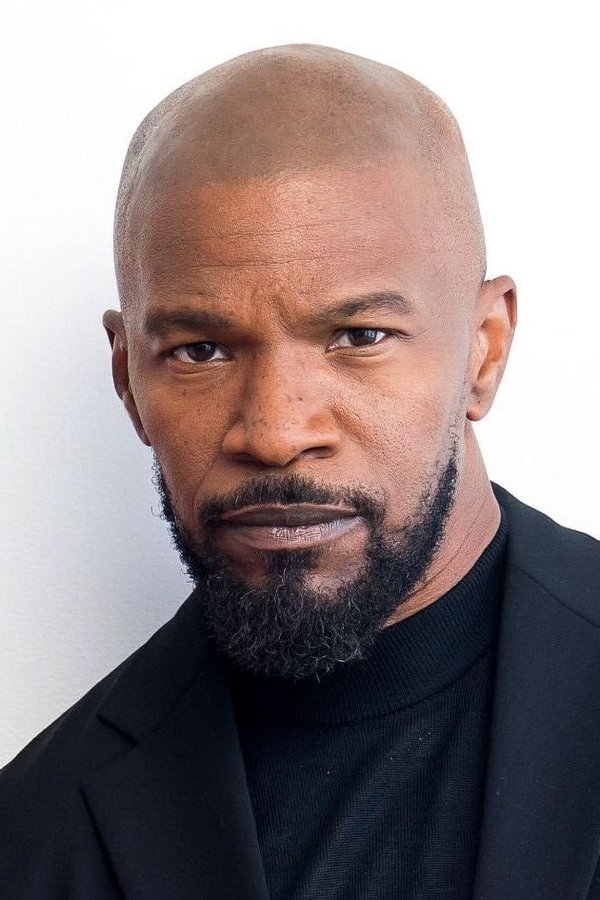
Jamie Foxx
Hassan El Ruk'n
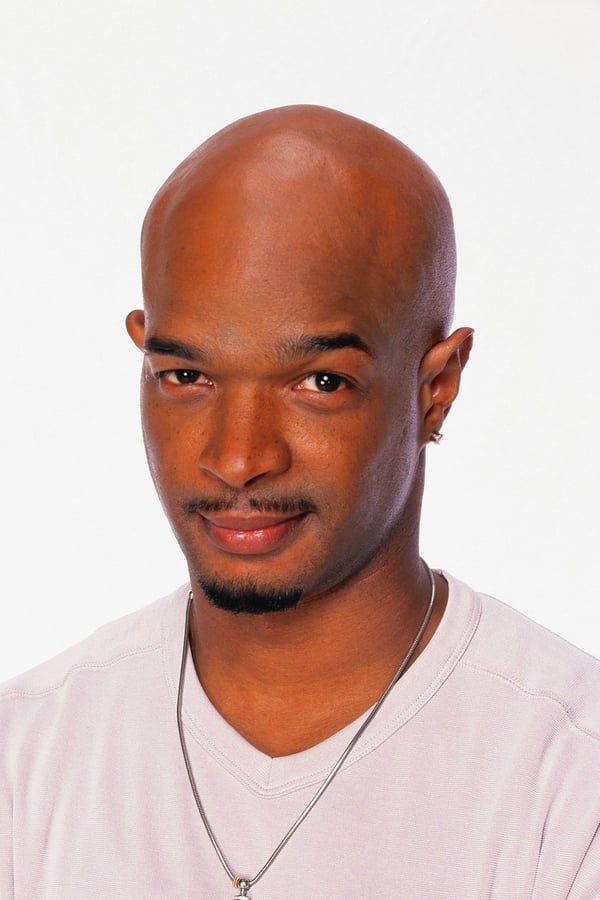
Damon Wayans
James "The Grim Reaper" Roper

Rocky Carroll
Artemus St. John Saint
Unknown Origins promises a cool spin on superheroes and serial killers, but ultimately delivers cheap comedy.
The story of the loss of innocence of the young prey who has been maimed by the predator. *Trigger Warning, sexual abuse and assault is discussed in this short film.
An indie production of a romantic drama with a country-western feel meant to explore lost love.
The Franke kids seemingly lived a normal life, until their mom met the infamous Jodi Hilderbrandt.
When the retelling of the Cinderella fairy tale and a holiday spirit come together, viewers learn about class issues as well as perseverance despite setbacks.
The film exhibits a respect for the craft and an empathy for human tribulations that have historically been ignored.