
The Discreet Insensitivity of ‘Slumberland’
The cultural insensitivity of 'Slumberland' is discreet, and can be easily overlooked in CGI extravaganza.
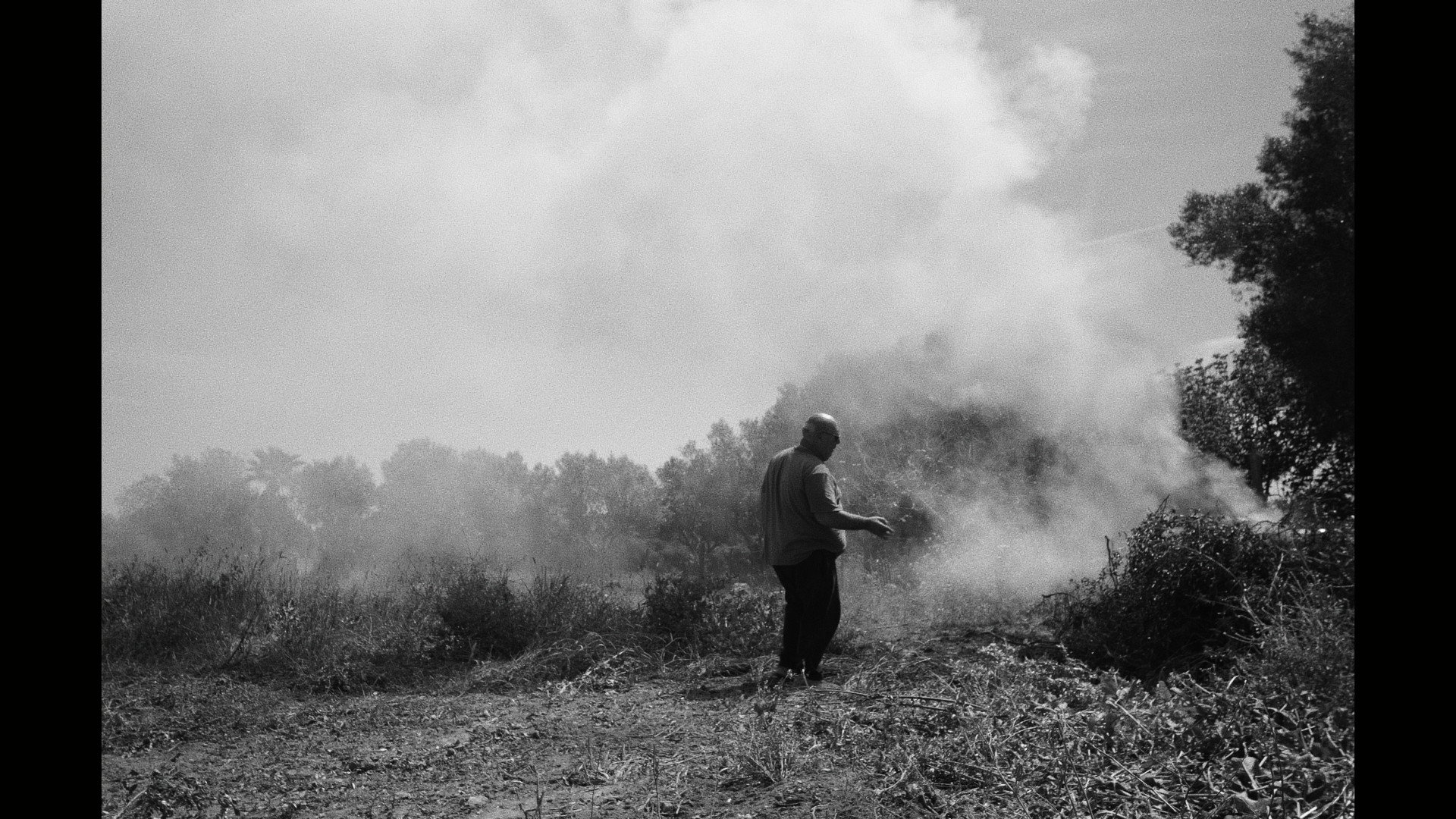
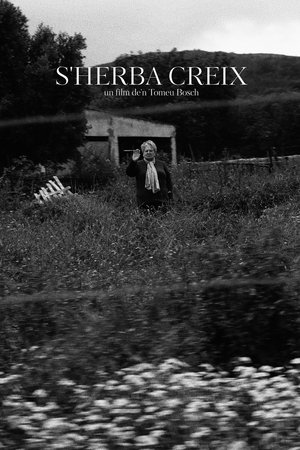


After his grandfather’s death, Toni Tomàs watches as life in the countryside and within his family begins to change. His grandmother, affected by grief, slowly starts to see the light again, while his father, with calmness and firmness, tries to restore order and ensure that the loss of the grandfather is not too deeply felt. Toni Tomàs reflects on his father and the way he faces the loss, in an effort to understand his family.
The cultural insensitivity of 'Slumberland' is discreet, and can be easily overlooked in CGI extravaganza.
The Vietnamese perspective is not only completely ignored in 'The Greatest Beer Run Ever', but it is blatantly whitewashed and disrespected.
Remakes. Reboots. Reinventions. Redundancy. It's the common practice in Hollywood of late, sometimes offering us victorious reimagining of what can be considered cinematic classics while also, more often, falling flat on their UN-imaginative faces in utter defeat and lackluster results. Admittedly, with this in mind, I went into the newest incarnation of "The War of the Roses" with typical trepidation and cautious optimism.
It is a truth universally acknowledged that a single woman will be happiest if she marries a man with a good fortune, similar upbringing, matching attractiveness levels, and compatible politics.
Even with its straightforward premise, “Richard Jewell” is ramped up by exceptional drama. In all honesty, the performances are out of this world. As Jewell, Paul Walter Hauser becomes a walking representation of gullibility. His bumbling antics create the perfect hero, and very quickly, we feel the societal heat that surrounds our protagonists.
Tarantino's alternative history of the 1960's uncritically repeats the era's sexist and racist stereotypes.