





Māhū—Reclaiming what’s rightfully theirs
Why did Māhū, a term once respected in Hawaiian culture, become so controversial?

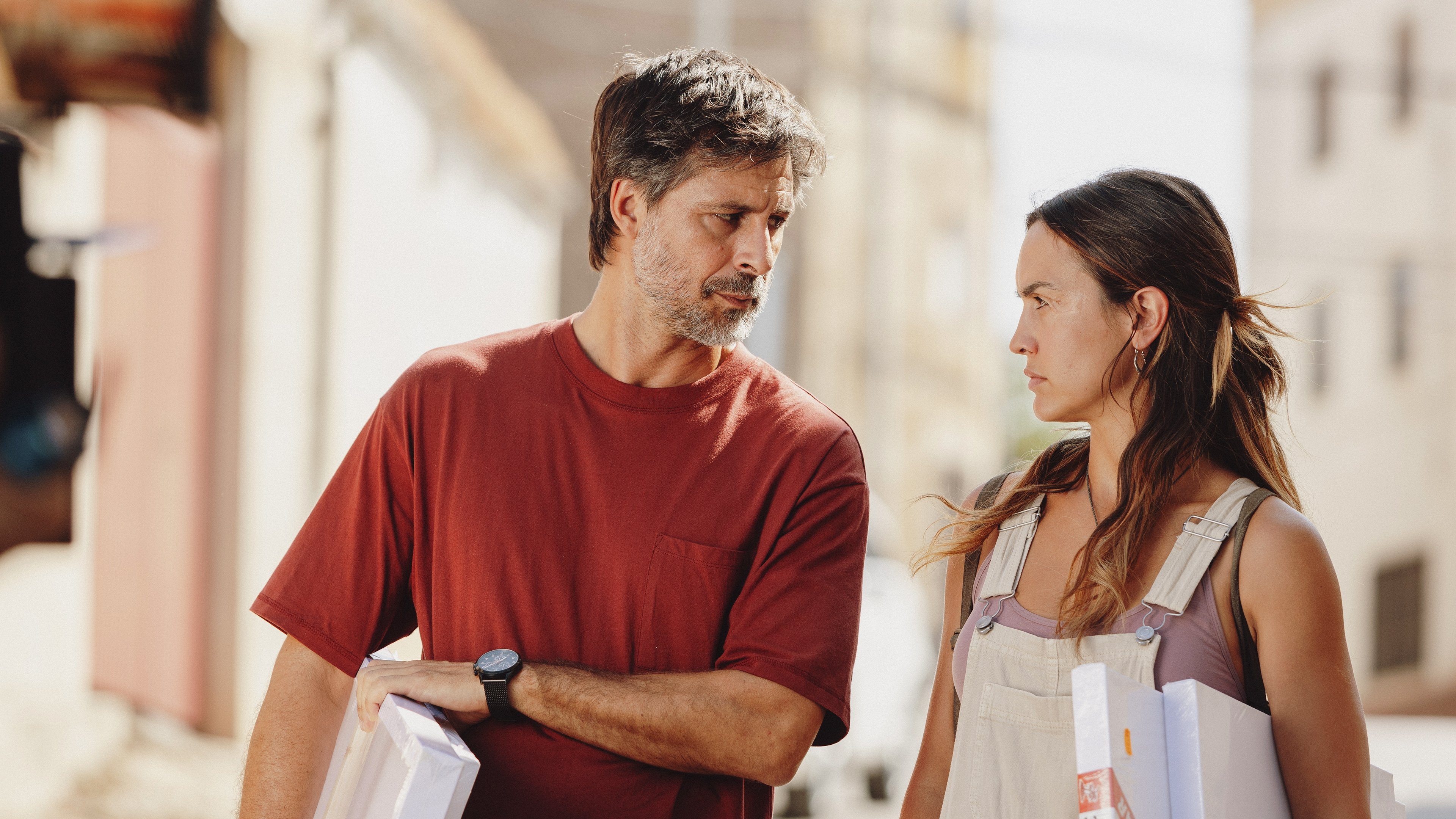
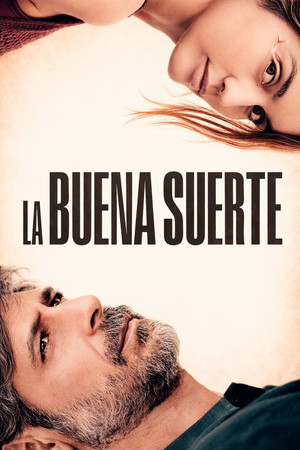
Pablo decides to get off the train at the station of a small town, buy an old and ramshackle apartment in front of the tracks and start living as if he were not the renowned architect he really is. Maybe he is running away from someone, or something, or even himself. In the village everything seems stagnant except Raluca, an optimistic woman open to surprises that can change your life for the better. She decided to trust her luck, even if life does not always present its best face.
Why did Māhū, a term once respected in Hawaiian culture, become so controversial?
"WHAT ARE YOU WILLING TO SACRIFICE?!!!!" "EVERYTHING!!!!!" This is but one of a multitude of highly emphatic questions, and subsequent answers, being asked in the newest feature film from one of the current masters of horror, Jordan Peele ("Get Out", "Us" and "Nope"). I must give Peele credit in that he continues to push the boundaries of specific genres and their associated tropes in order to provide what ends up amounting to subtly then jarringly intense, yet still character and story-driven, cinema that speaks more to indie stylings than mainstream.
If you mix religious rituals with dark mythology, the result will be effective, and the story powerful in 90% of the cases. That is exactly what happens at the beginning of The Vigil.
Growing up is a challenge for everyone.
Barry Jenkins' masterpiece holds up as the story of a lifetime centered on the intersection of Blackness and gay identity.