
Dead Poets Society Steals a Queer Story
Dead Poets Society relies on patriarchal tropes such as overbearing fathers, contrived brotherhood, and faux-individuality in order to portray its straight white male characters as oppressed.
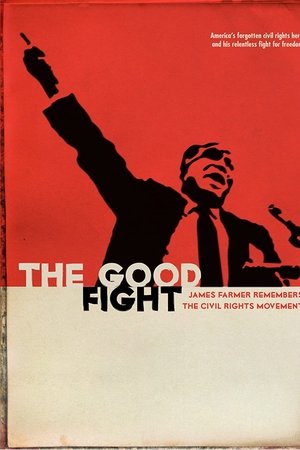


When he rolled into the Jim Crow South on a Greyhound bus - a black man sitting in the whites-only front seat - James Farmer was scared. "Courage is not being unafraid, but doing what needs to be done in spite of fear," said the founder of the Freedom Rides and pioneer of the earliest sit-ins. A relentless leader, a dynamic speaker, and a forceful organizer, Farmer was one of the first civil rights activists to use nonviolent direct action to fight for dignity and justice. Yet at what cost? His own family suffered from his frequent absences, prison stays, and threats made on his life. And, he was continually disappointed in his lack of recognition, especially after witnessing the momentous legacy of Martin Luther King, a man ten years his junior. The Good Fight chronicles Farmer's life, in his own words, from his earliest days as a "Great Debater" at Wiley College to his legacy teaching a new generation of students about the movement that shaped a country. —Laura Neitzel
Dead Poets Society relies on patriarchal tropes such as overbearing fathers, contrived brotherhood, and faux-individuality in order to portray its straight white male characters as oppressed.
The cancelling of these series is being blamed on the writers' strike and low viewership, but it's just the latest example of the industry's lack of appreciation for stories about queer women.
As noted in the headline, I didn’t like this movie. Not to say it’s the worst thing ever, but it’s just…meh. Nothing much to it. Very generic. No surprises. At the very least, the cast is diverse so I’ll give it that.
Its predictability shouldn’t distract from the enjoyment that the pure cinematic imagination behind the camera elicits. It is a movie of crises both moral and mortal, oozing with CGI, and thoroughly enjoyable.
This 2016 winner of an Ophir Award for Best Film focuses on the forbidden romance of a young, Bedouin woman and the ramifications it has for her family, her identity, and her culture.
Religion, race and generations collide in this romantic comedy starring Jonah Hill