What Does a Sympathetic Portrayal of Sexual Assault on Screen Look Like?
As Sexual Assault Awareness Month comes to an end, I’d like to urge viewers and filmmakers to take a long and hard look at how rape is portrayed on screen.

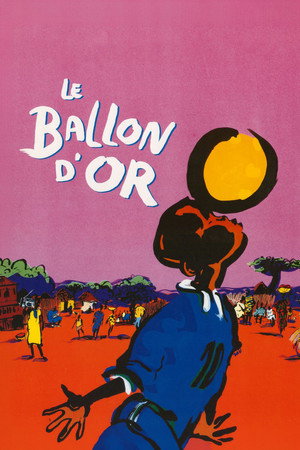


The Golden Ball is a wonderful children's film that tells of a young boy's dream of being a soccer player. Whenever a match is broadcast live in the village of Makono, Bandian and his brother keep their ears to the transistor radio, spinning a picture of the game from the announcer's commentary much as they fantasize themselves on the field. A gift of a real soccer ball, which Bandian paints gold, like a magical object involves him in a series of adventures which bring him in reach of his dream, but which also require him to make difficult choices.

Cheik Doukouré
Director
Aboubacar Sidiki Sumah
Bandian
Aboubacar Kolta
Bouba

Agnès Soral
Isabella
Habib Hammoud
Bechir
Mody Sory Barry
Radio Kankan
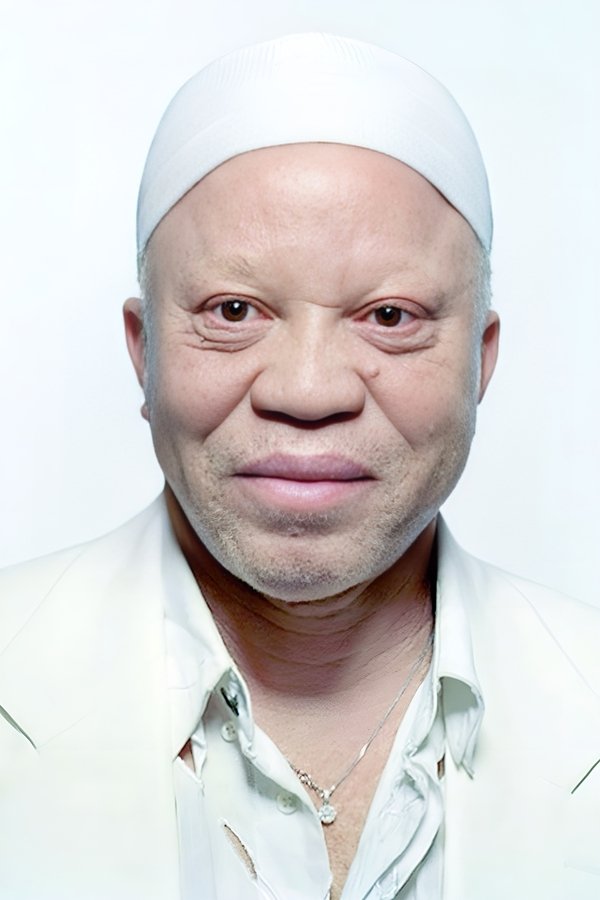
Salif Keita
Karim

Mariam Kaba
Fanta
Keita Alama
Old Moussa (Bandian's Father)
Lanfia Kouyaté Sara
Sara, the witch doctor
Sabou Doumbouya
Kani, the stepmother
Mamadi Kourouma
Sylla
As Sexual Assault Awareness Month comes to an end, I’d like to urge viewers and filmmakers to take a long and hard look at how rape is portrayed on screen.
While the camera is objectifying her body to invoke a sexual response in male viewers, Lara Croft still defies the expectations of women in action films.
A lot of us are emotionally impacted by the current pandemic. So, while we’re all stuck here in our homes, it’s great to put on a movie to ease the stress. With that, I made up a small list of some of my favorite feel-good movies.
In Spike Lee’s She’s Gotta Have It (1986), we follow the love life of powerful female protagonist Nola Darling (Tracy Camilla Johns) and explore the relationship dynamics she has with her partners. She sees three men simultaneously: Greer Childs, (John Canada Terrell) Mars Blackmon (Spike Lee), and Jamie Overstreet (Tommy Redmond Hicks). Though an 80’s film, She’s Gotta Have It is surprisingly progressive with its themes of female sexuality, although at some points in the film it is handled clumsily. Overall Nola is an incredibly compelling character especially for modern women, as we as a society acknowledge female sensuality more and more without the negative stigma.
A code adopted by gay men and LGBTQ+ individuals in general to subtly disclose your identity to another, “friend of Dorothy” is widely considered to originate with Judy Garland.
Women have always been integral to science fiction, and these amazing women prove why.