









Yara (2021): An Unfocused True Crime Narrative
The trouble with Yara (2021) is that in its attempt to tell the whole story, it struggles to tell a consistently engaging story.
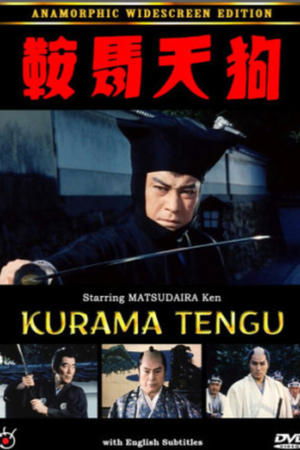


The year 1864: The Shinsengumi, the shogun’s armed force in Kyoto ripped the city apart, with blades in hand, searching for pockets of resistance, slaughtering the samurai who sought to bring down the shogunate and restore Japan’s emperor to power. By chance, Murao Mayumi and his sister Shiho, meet samurai Kurata. Murao, seeking his fortune with his sword-arm, will join Shinsengumi, never suspecting his friend Kurata is secretly Kurama Tengu, who hides his face in a black hood, and who will tear a bloody swath through Shinsengumi’s massed blades, to aid the samurai who had taken up the emperor’s cause. Will friend kill friend in a time of war?
The trouble with Yara (2021) is that in its attempt to tell the whole story, it struggles to tell a consistently engaging story.
The plot could’ve really been interesting if the elements of lycanthropy was integrated with perhaps the struggle of identity of being LGBTQ+. It's an experience for so many that as they’re starting to realizing their true selves, they feel like a monster, especially if they come from unsupportive homes or communities. Instead, the horror and transformation elements seem thrown in without contemplation of how this could deepen the narrative.
The fun tricks used in the production design and lighting read extremely well on-screen but hardly fulfill their purpose of trying to inject glamour into a lack-luster story with nothing to say.
A tale of legendary hunters and monsters that reminds us once more not to judge a book by its cover. Enjoy this heartwarming sea shanty with a well-done plot twist.
'Do Revenge' offers a 2022-relevant sociopolitical commentary that decries virtue signaling while promoting the inclusive virtues the nefarious power structures exploit.
Growing up without a dad, I got a lot of my fatherly advice from the prototypes I saw on the silver screen. It’s these characters and films that gave me a glimpse into a dynamic I had never known but also made me realize that I was missing out. Here are my top 10 paternal films.