



'Hatching' - Social Media as the Modern Cardboard World
Hanna Bergholm's 'Hatching' shows us that the modern version of the cardboard world trope is social media.
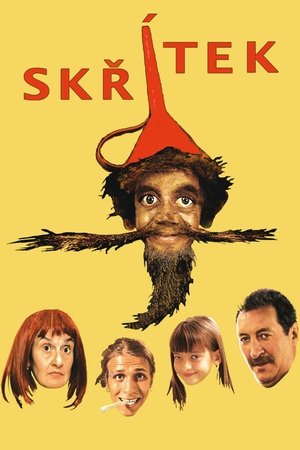


A tragicomedy full of slapstick and vignettes, and even an unexpected shootout. A family of villagers moves up in the world - to the county seat. Dad works as a butcher at a meatpacking plant, mom is a checker at a supermarket. The daughter is at odds with her homeroom teacher, while the son - a vegetarian, anarchist, and avid pothead - is apprenticing as a butcher to please his father. The kid's in hot water with both his forewoman and the police. But dad isn't much of an example, letting himself be tempted by the charms of a lovely young butcher. However much mom tries - visiting the beauty parlor, her psychologist, or even the confessional - her husband shows his interest by moving out. Mom plots revenge. And somehow an imp gets mixed up in it all
Hanna Bergholm's 'Hatching' shows us that the modern version of the cardboard world trope is social media.
Those perfect Summer or Fall days. The sun is shining, the temperature is JUST right, and you've got nothing else to do. Therefore, isn't it time to get outside and take a nice stroll through the park, or along the shoreline (should you be that fortunate), or even just around the neighborhood? Sure. BUT.....if one lives in the America found in the newest film adaptation of the work from horror author/cultural icon Stephen King.....doing this SHOULD be the LAST thing you hope to find yourself engaged with.
I have been a long-time fan of the Marvel Cinematic Universe ever since it made its official debut through 2008's absolutely excellent "Iron Man". The run continued, as did my associated fandom of the films, through the utterly EPIC 2019 finale "Avengers: Endgame".
Complex relationships between mothers and daughters are far from a new concept, whether the strain comes from abandonment, beliefs, or trauma. In My Only Wish, an Incluvie Film Festival submission, Brenda Gutierrez’s take on her character’s maternal divide comes in the form of abandonment.
I think that the happiness and survival of "Wynonna Earp"’s LGBTQ+ characters is incredibly refreshing in contrast to the prevalence of queer suffering and death in other television.
During the third act, the momentum stalls, largely due to the film’s obsession with Kubrick’s visual design. But all in all, Doctor Sleep is a cinematic success, defined by rich characters and high powered emotion.