Love Stories from the African Diaspora
Here are some of our picks for inclusive Black love stories in film and media. We hope you enjoy these tender love stories and beautiful depictions.



A Jewish child deported to Kazakhstan is saved and adopted by Kasym, an old Kazakh railway-man. Kasym gives him a Kazakh name, Sabyr, that in Kazakh language means humble. The child grows up in the small Kazakh village along with other deportees Vera, a traitor's wife, and Ezhik a Polish doctor. The Soviet militia harasses the poor peasants and Vera suffered the harassment of a bully cop: Bulgabi. Finally Vera accepts the marriage proposal of Ezhik but the jealous Bulgabi tries to prevent the marriage. The result is a fight in which Ezhik shoots himself accidentally. The old Kasym decides that Sabyr is now old enough to go to seek his real parents. At the end Sabyr, now an adult, decides to return to the village, but the village no longer exists because it was destroyed by a Soviet nuclear test.
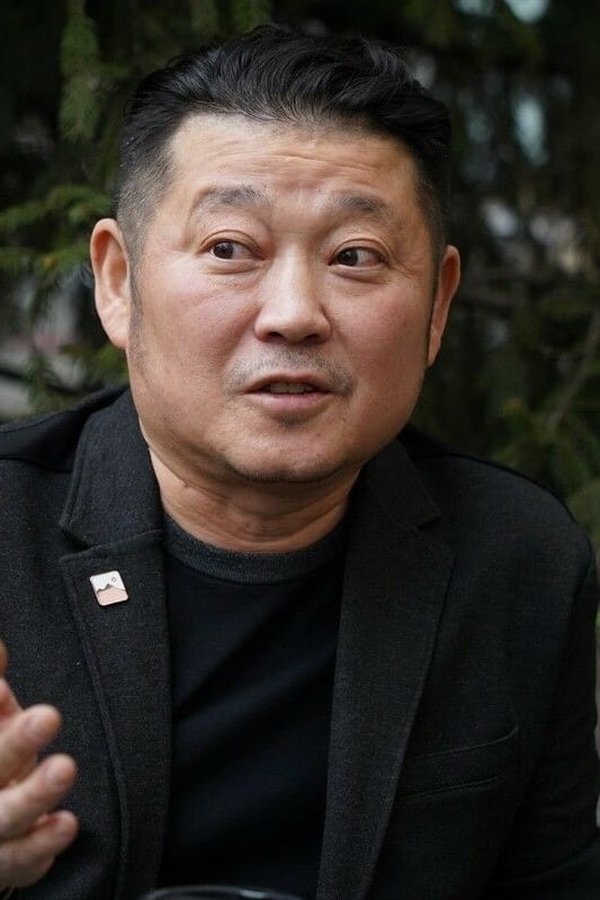
Rustem Abdrashov
Director

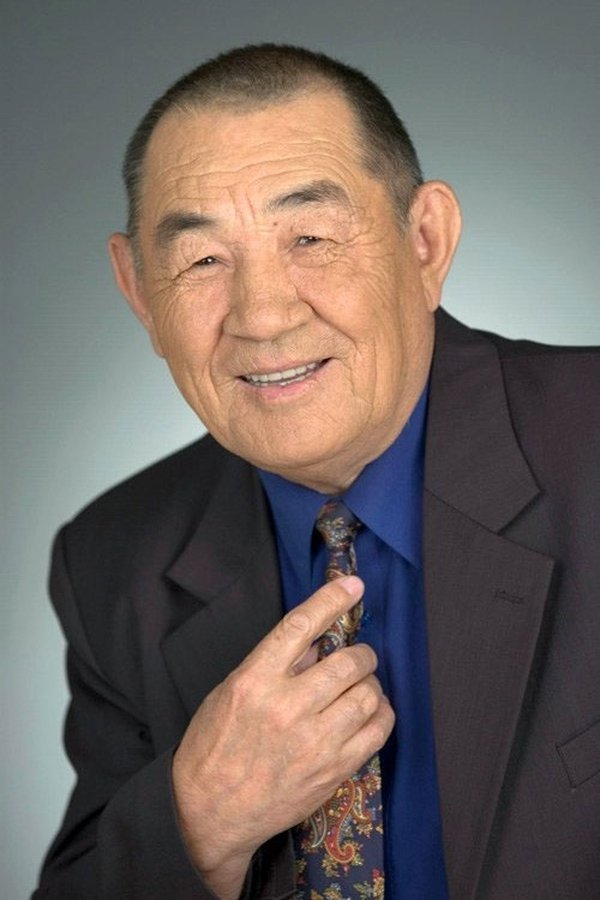
Nurzhuman Ihtymbaev
Kasym
Dalen Shintemirov
Sashka
David Markish
Aleksandr Povzner
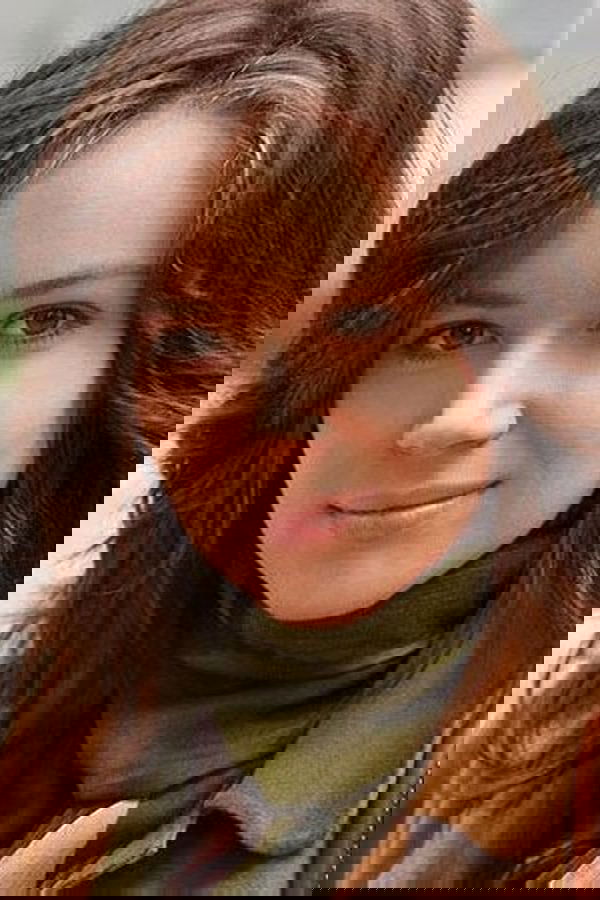
Yekaterina Rednikova
Verka
Waldemar Szczepaniak
Jerzy Dąbrowski

Aleksandr Bashirov
Major
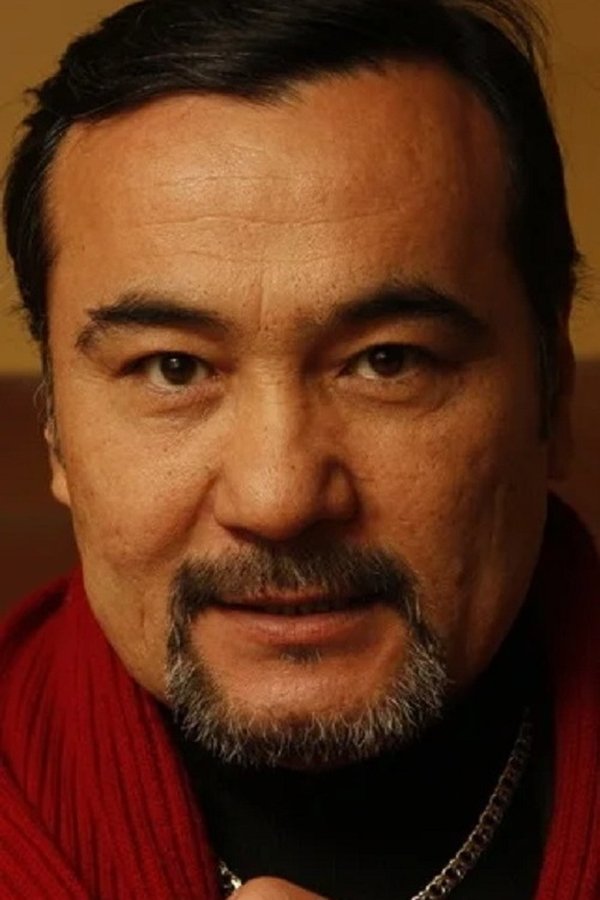
Bakhtiyar Kozha
Balgabay

Erbolat Toguzakov
Faty
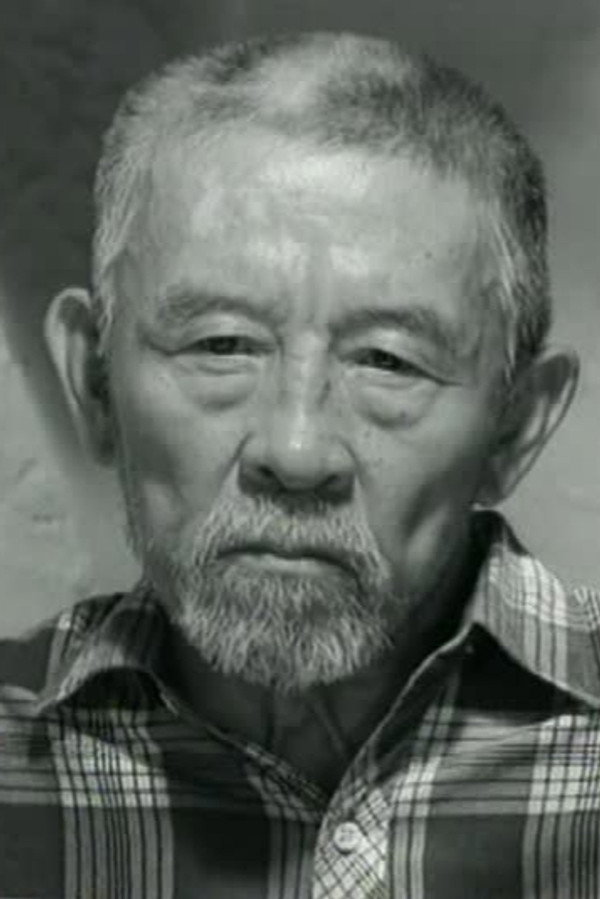
Kasym Zhakibayev
Shaman

Sergei Yursky
Narrator (voice)

Assel Sadvakassova
Young Kazakh Woman
Here are some of our picks for inclusive Black love stories in film and media. We hope you enjoy these tender love stories and beautiful depictions.
Michael Shanks’ Together is a queasy, hilarious, and surprisingly heartfelt body-horror trip that fuses love and terror in the most literal sense. Starring real-life couple Dave Franco and Alison Brie, this midnight gem twists Plato’s soulmate myth into a gory, darkly funny tale of codependency, cults, and chainsaws — equal parts romance and nightmare.
It is as bad as your remember, and you are fortunate if you've never watched it. Keep it that way!
The Olivia Wilde renaissance is upon us.
2025 has just about wrapped, so we’re taking this time to celebrate the most inclusive films that came out this year. Graded on Gender, Race, LGBTQ, Disability, and more
In Spike Lee’s She’s Gotta Have It (1986), we follow the love life of powerful female protagonist Nola Darling (Tracy Camilla Johns) and explore the relationship dynamics she has with her partners. She sees three men simultaneously: Greer Childs, (John Canada Terrell) Mars Blackmon (Spike Lee), and Jamie Overstreet (Tommy Redmond Hicks). Though an 80’s film, She’s Gotta Have It is surprisingly progressive with its themes of female sexuality, although at some points in the film it is handled clumsily. Overall Nola is an incredibly compelling character especially for modern women, as we as a society acknowledge female sensuality more and more without the negative stigma.