The Gate of Heaven
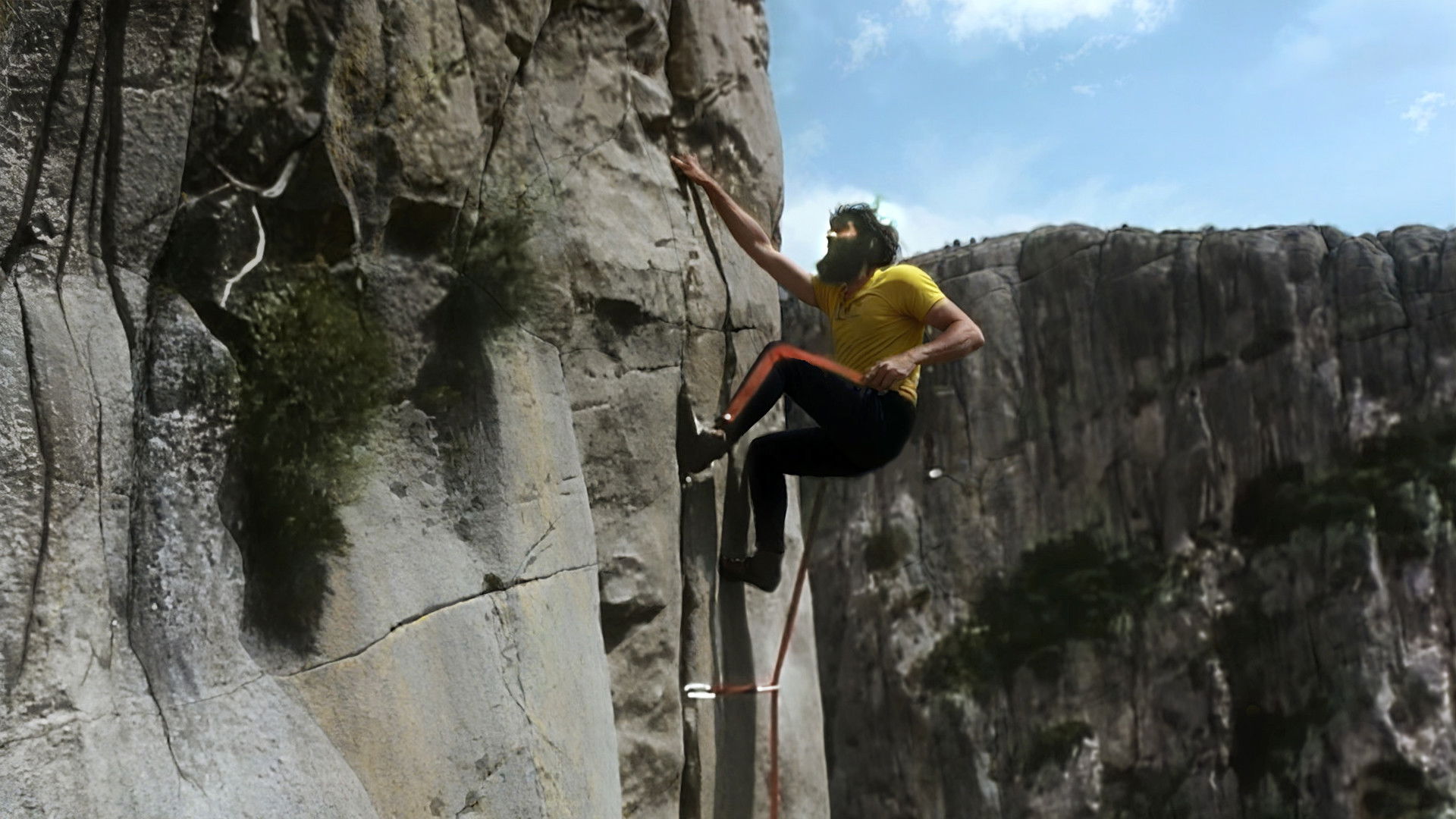
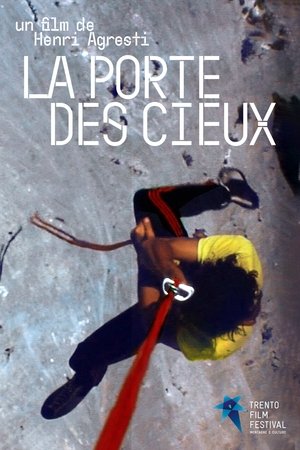
A legendary film in the history of rock climbing in the Verdon Gorges, shot in 16mm between the autumn of 1978 and the spring of 1979 by Henri Agresti, a high mountain guide. For the first time, acrobatic shots were taken on the walls of the Verdon. We rediscover a whole generation of pioneers on routes like Dingomaniaque, Triomphe d'Eros, Péril rouge, Luna Bong, Pichenibule or Necronomicon, routes which, like Dingomanique or Triomphe d'Eros, had just been opened. We witnessed a major turning point in the style and possibilities of rock climbing at the end of the 1970s: anchors sealed by drilling used as belaying and no longer as aids, new equipment: climbing shoes and chalk, harnesses and figure eights. Henri Agresti's unfinished and silent film, lasting around fifty minutes, was presented in the form of a nine-minute fragment at the Trento Film Festival in 1981.

- / 5
PopScore
Representation
Pictures and Videos

Movie Information
A legendary film in the history of rock climbing in the Verdon Gorges, shot in 16mm between the autumn of 1978 and the spring of 1979 by Henri Agresti, a high mountain guide. For the first time, acrobatic shots were taken on the walls of the Verdon. We rediscover a whole generation of pioneers on routes like Dingomaniaque, Triomphe d'Eros, Péril rouge, Luna Bong, Pichenibule or Necronomicon, routes which, like Dingomanique or Triomphe d'Eros, had just been opened. We witnessed a major turning point in the style and possibilities of rock climbing at the end of the 1970s: anchors sealed by drilling used as belaying and no longer as aids, new equipment: climbing shoes and chalk, harnesses and figure eights. Henri Agresti's unfinished and silent film, lasting around fifty minutes, was presented in the form of a nine-minute fragment at the Trento Film Festival in 1981.
Rating:
Genre:Documentary
Written By:Henri Agresti
In Theaters:
Box Office:
Runtime:52 minutes
Studio:






Articles You May Like
Writing Great Villains: Why They Shouldn't Be Sympathetic
Writing great villains is about striking a balance between charming and evil, so we love them but also love to see them lose.
Ghosts, Guilt, and the Snow to Come: Revisiting The Black Phone and What The Sequel Might Uncover
Sinister and suffocating, 2022's The Black Phone delivered more than just scares - it brought atmosphere, depth, and a villain audiences won't soon forget.
Agni Kai: Hsu VS Liang: A Passion-Filled Short Film That's Fun To Watch
This Agni Kai looks cool and is funny as well!
Early Feminism Shown in 'Footlight Parade' (1933)
We can criticize depictions from old media, but they weren’t simply “good for their time”. They were fighting and struggling in a world we can’t imagine.
All the MCU Live-Action 'Spider-Man' Movies Ranked by Their Most Awesome Scenes, and Not-So-Awesome Scenes
The highly anticipated 'Spider-Man: No Way Home' has been released in theaters and now it's time to rank all the previous MCU 'Spider-Man' films from Tobey Maguire to Tom Holland based on their awesomeness.