

Writing Great Villains: Why They Shouldn't Be Sympathetic
Writing great villains is about striking a balance between charming and evil, so we love them but also love to see them lose.
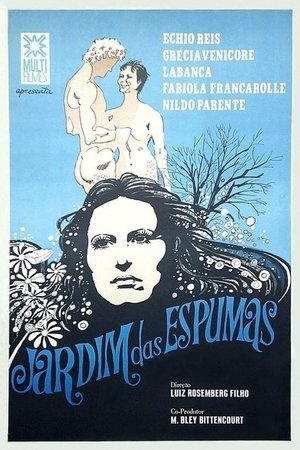


An ambassador from an outer (and rich) space comes to visit a poor planet, where he ends up being kidnapped.
Writing great villains is about striking a balance between charming and evil, so we love them but also love to see them lose.
Like all modern societal phenomenons, it started with a meme. This one highlighted that when there’s a mom in a Pixar film, she is almost without fail given striking curves that highlight the bottom half of her body following a minuscule waist. From Elastigirl to the skeletal Mama Imelda, the animation giant’s artists seem to have a fixation on making exaggeratedly curvy maternal characters.
Joann Kohng’s Subject to IX tells the heartbreaking truth of the Title IX rules that colleges abide by.
GOAT (2026) opens to the chanting of a crowd: "Roots run deep!" The rest of the film goes on to echo that sentiment, offering gorgeous animation and a heartfelt story along the way.
On top of the phenomenal acting, and great dialogue between the two characters, the cinematography was ravishing! The sound was outstanding! The production design was simple, yet intrinsic. The minimalistic approach in the Malibu beach house represented how little they really have going on in their relationship. The storyline may have been much simpler than "Who's Afraid of Virginia Wolf," but all the more insightful, and much more animalistic at its core.
'Young Royals' is a great example of positive gay representation in its two main protagonists, but the supporting characters are often frustratingly selfish.